
Rewrite the story
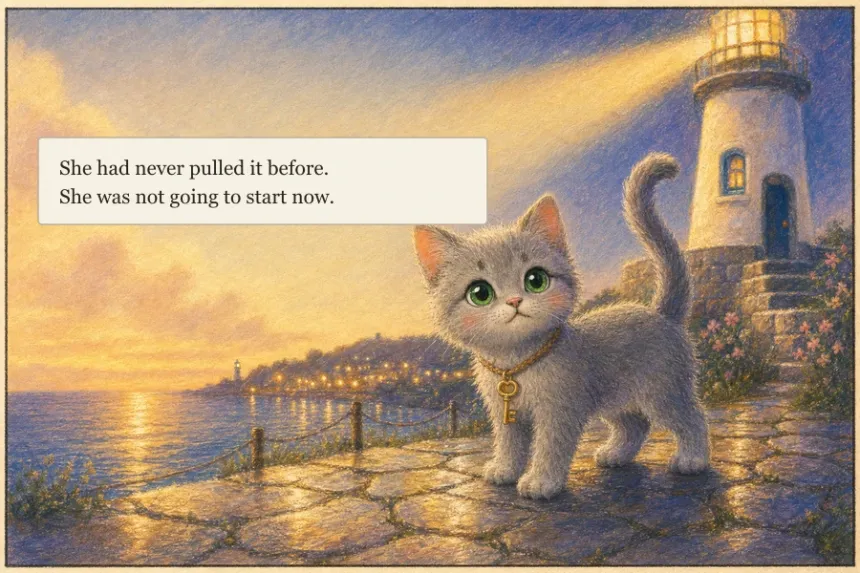
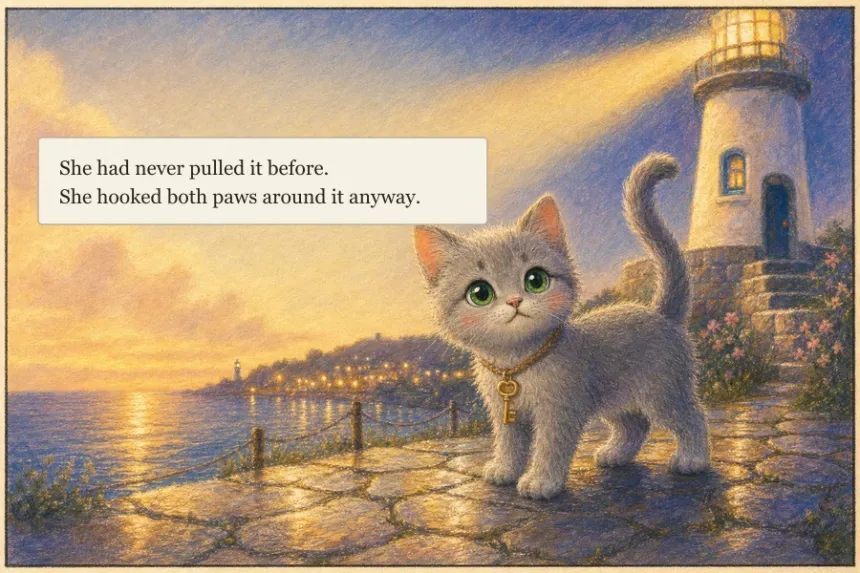
Change a line, a name or the whole ending in the script, and only the panels that depend on it are redrawn.
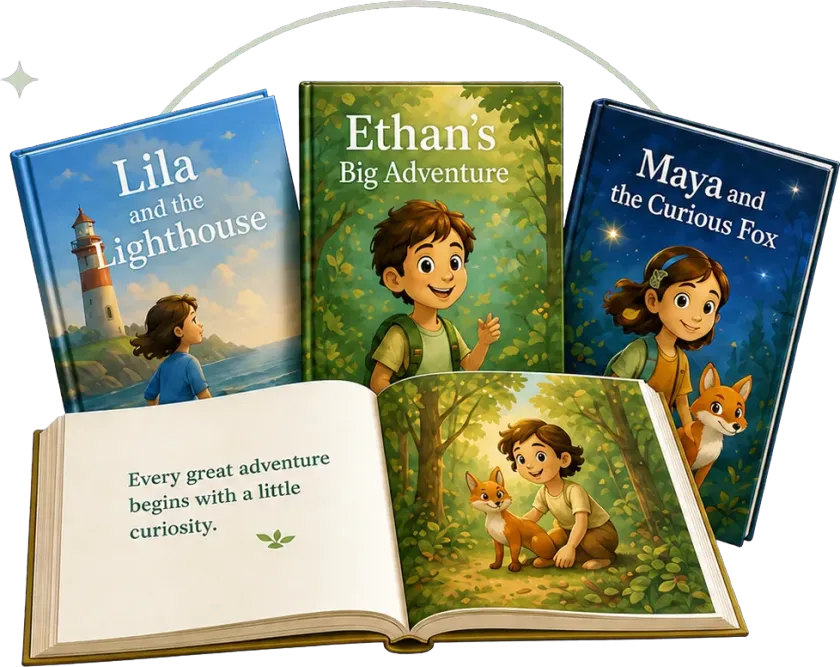
A story your child can read as a comic tonight.
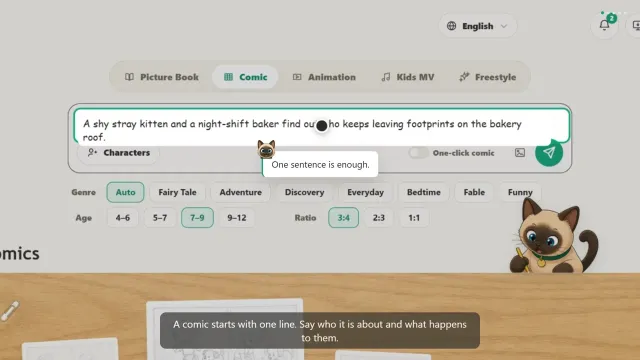
Your child's first comic starts with one sentence.
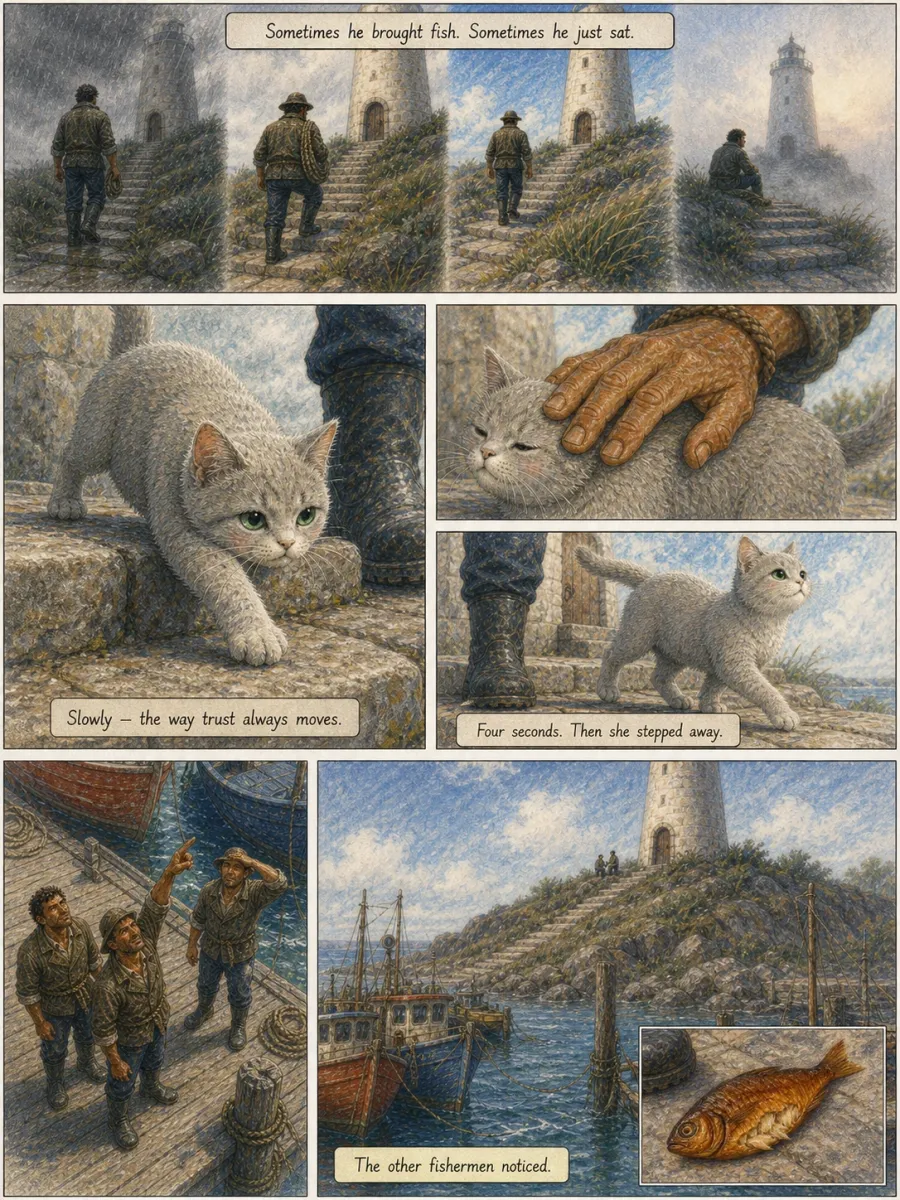
Make My ComicThe Readkidz comic maker is an AI tool that turns one idea into a finished comic: it writes the story, breaks it into panels, draws every one in the art style you choose, and letters the speech bubbles — with the same character from the first panel to the last.
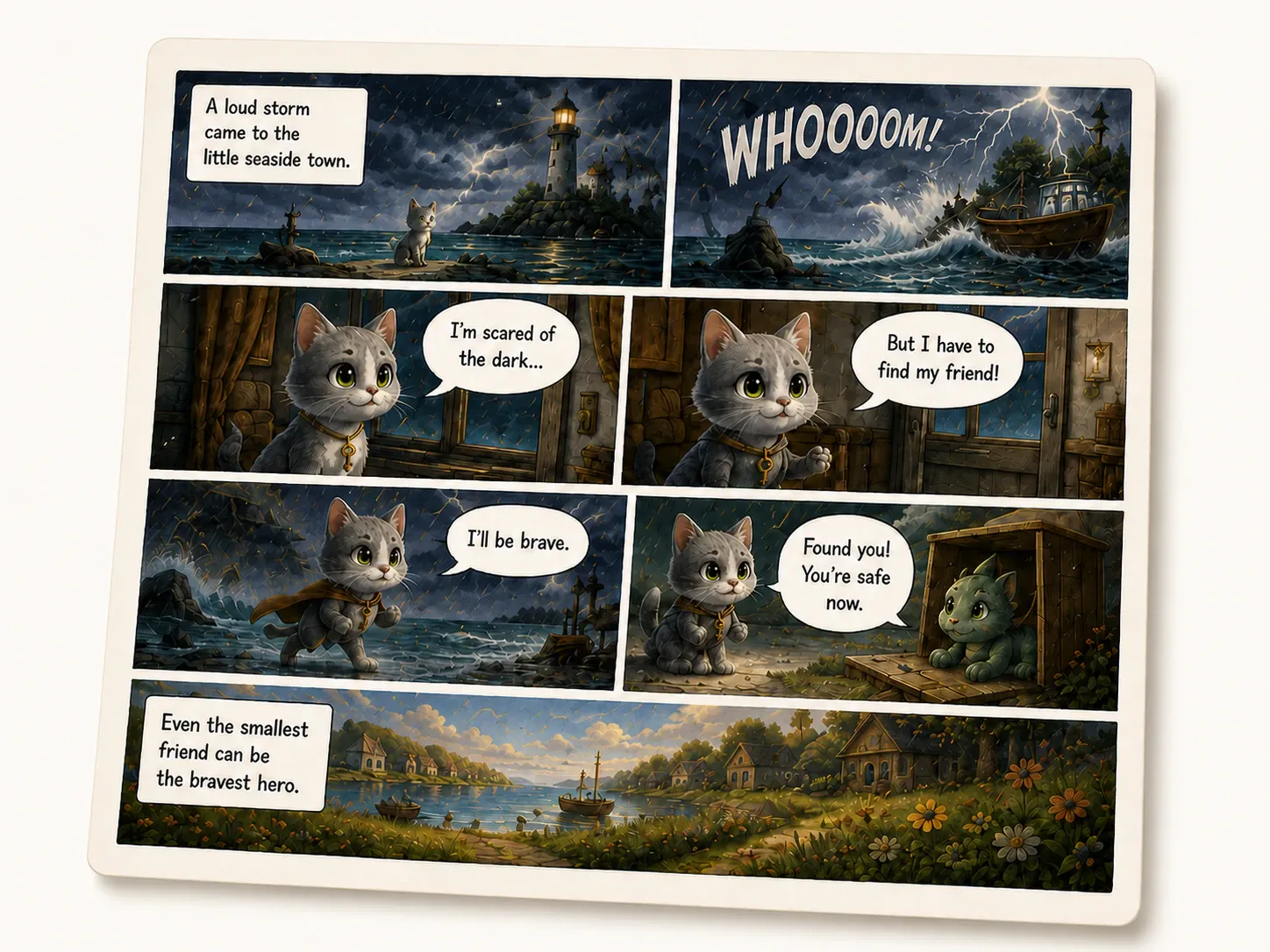
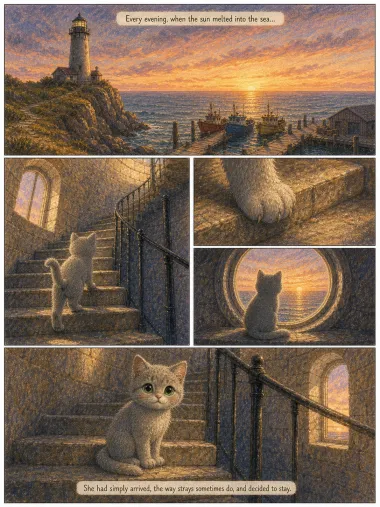
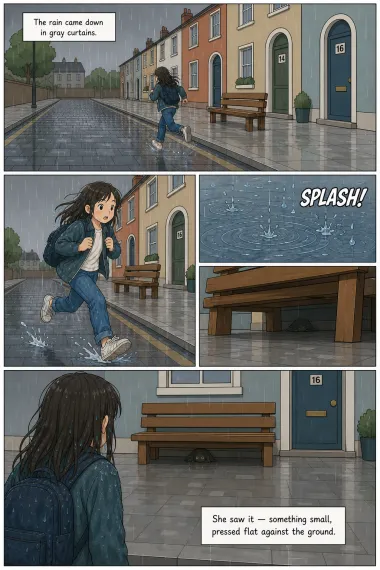
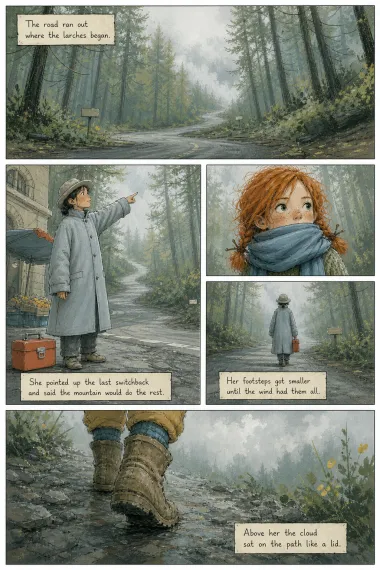
Panel size, reading order and lettering are planned together — nothing needs to be arranged by hand afterwards.
Big moments get more space. Quiet beats stay smaller.
Bubbles are placed so the eye lands on them in the order the lines are spoken.
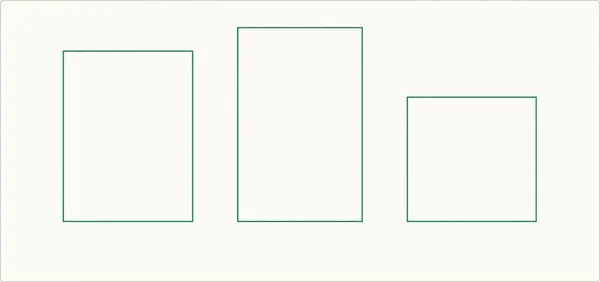
3:4, 2:3, 1:1 — chosen per comic, so your page is ready for paper or any screen.
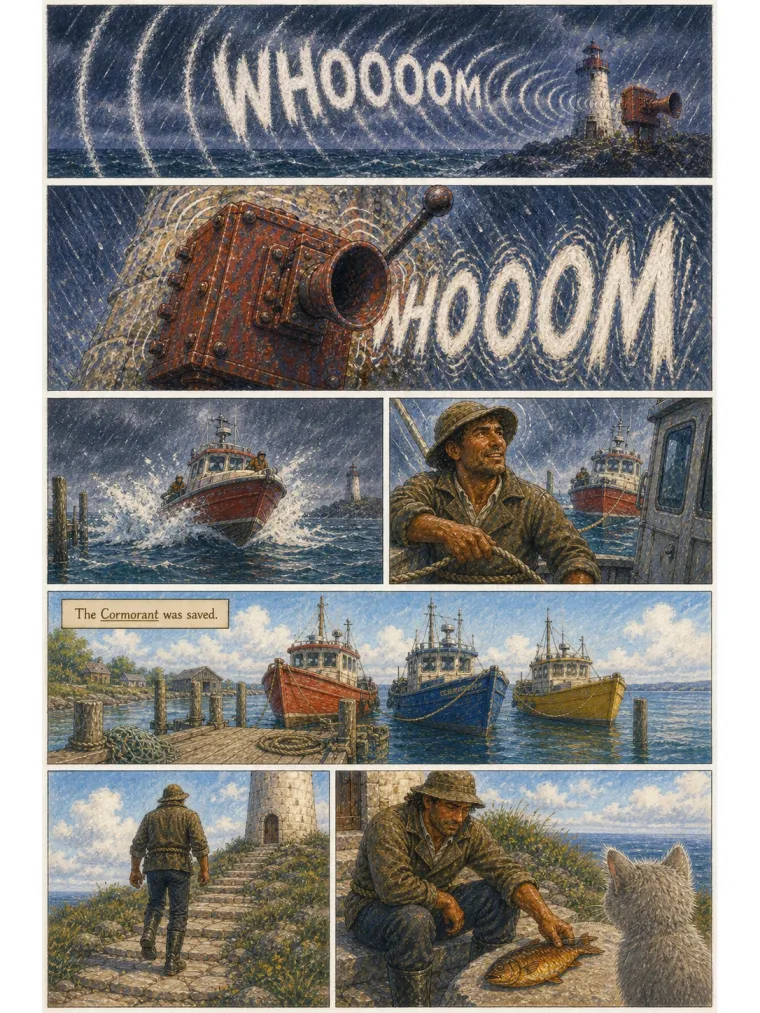
We design every character before the comic is drawn. Faces, colours, and key details are locked early so your hero looks the same from the first panel to the last.
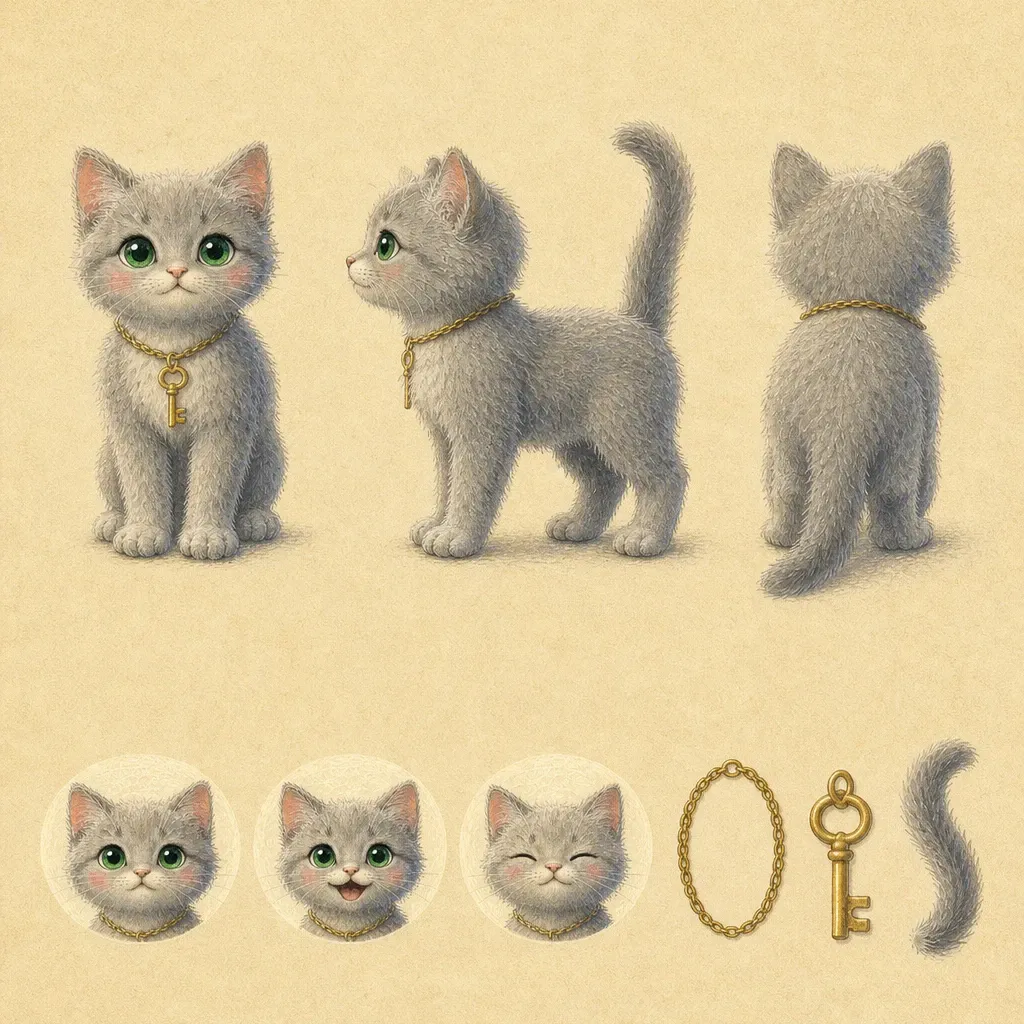
Character locked before drawing
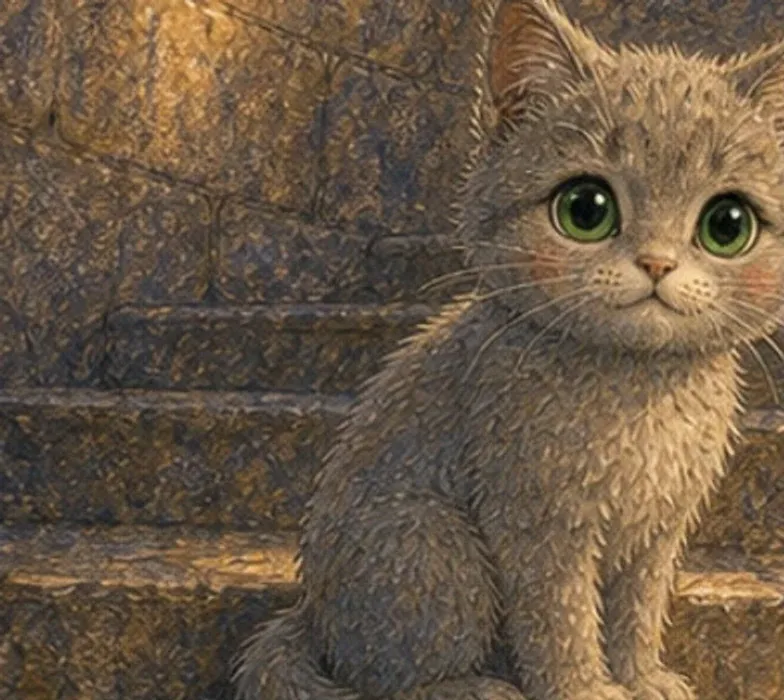 Panel 01
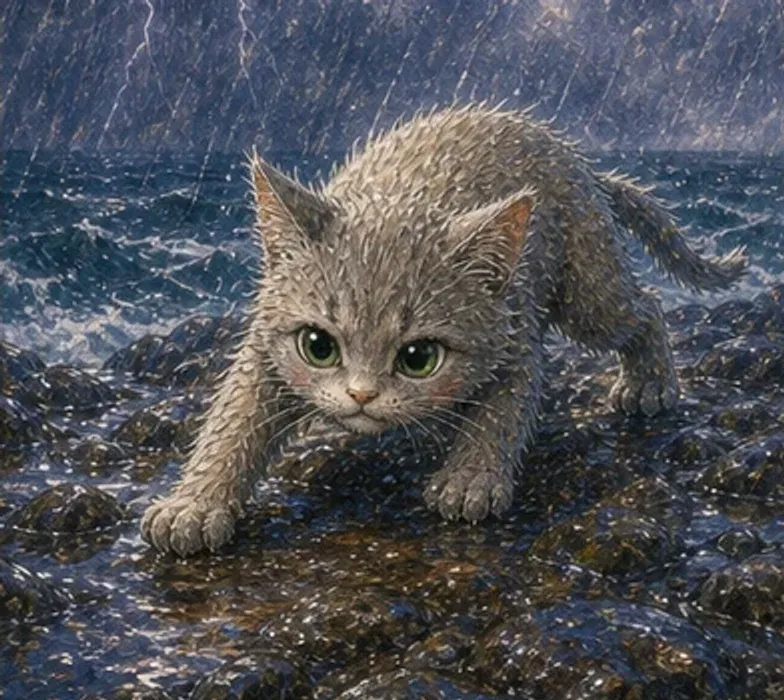 Panel 12
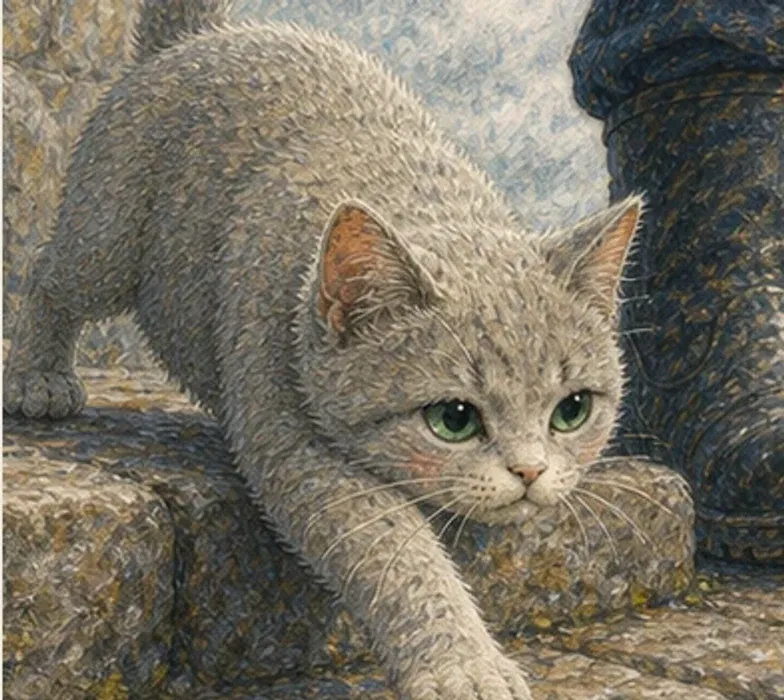 Panel 27
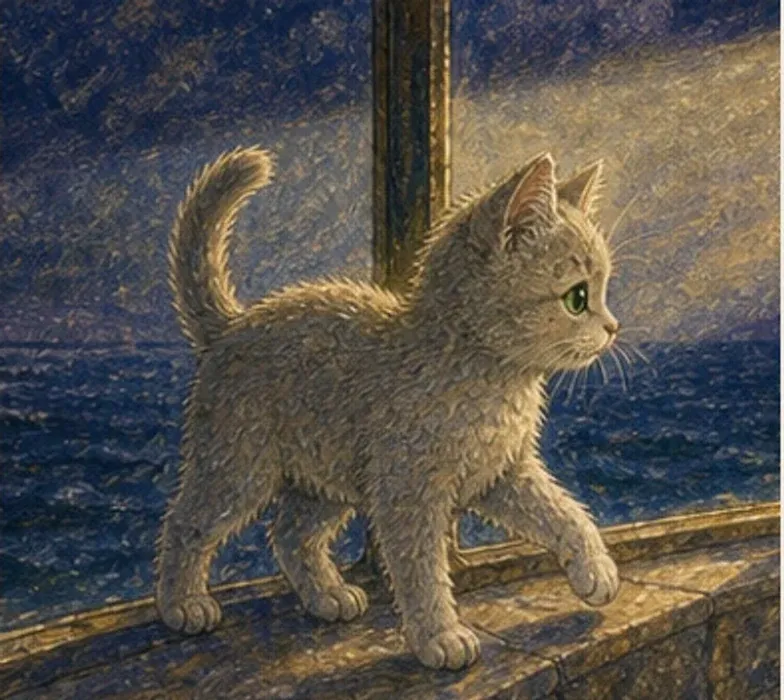 Panel 40
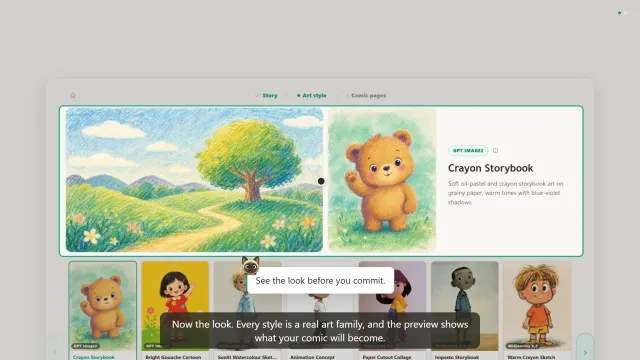
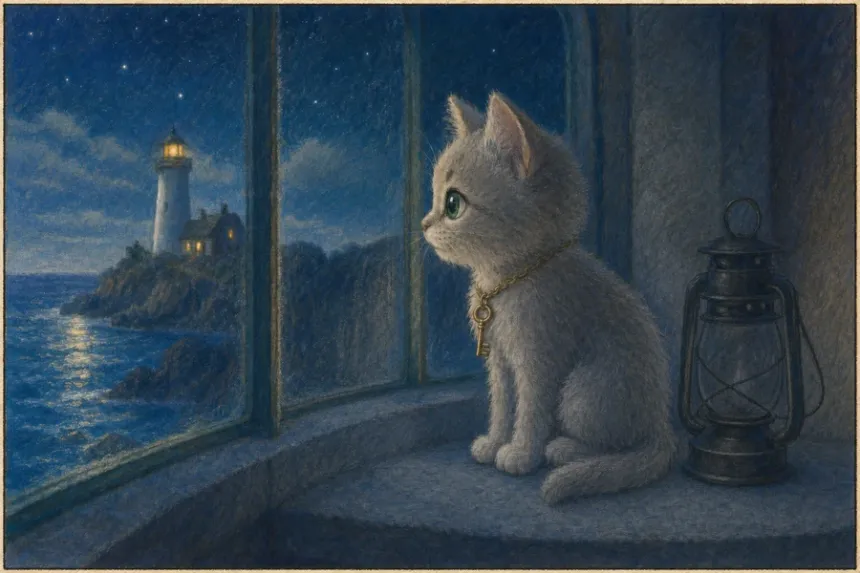
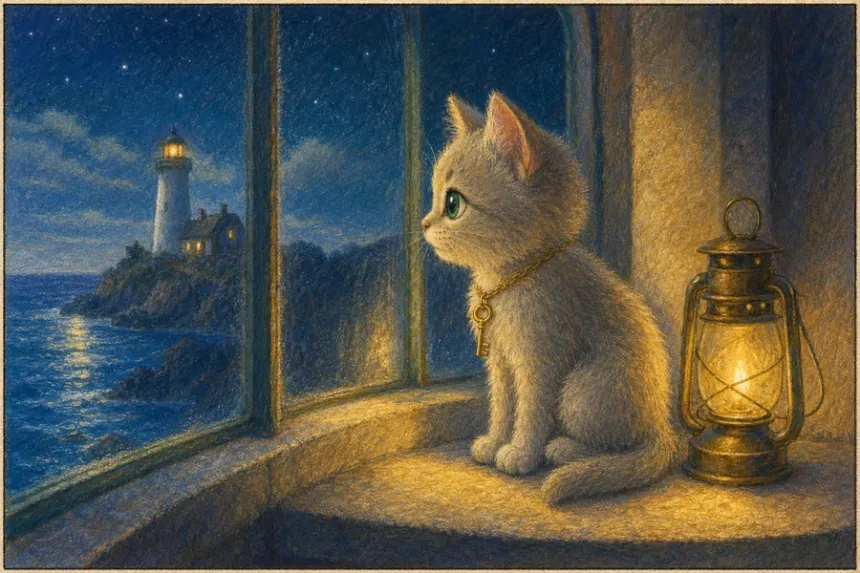
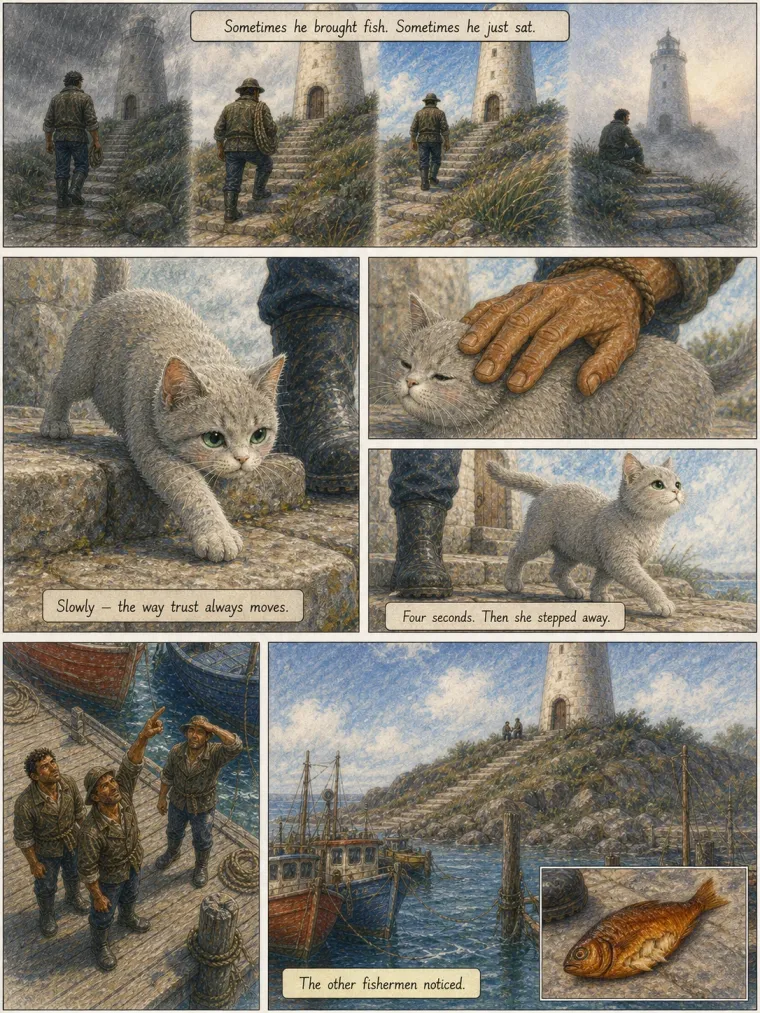
Pick the look before anything is drawn. This is the same panel from the same comic — same cat, same lighthouse, same moment — rendered in eight of the styles in the library.
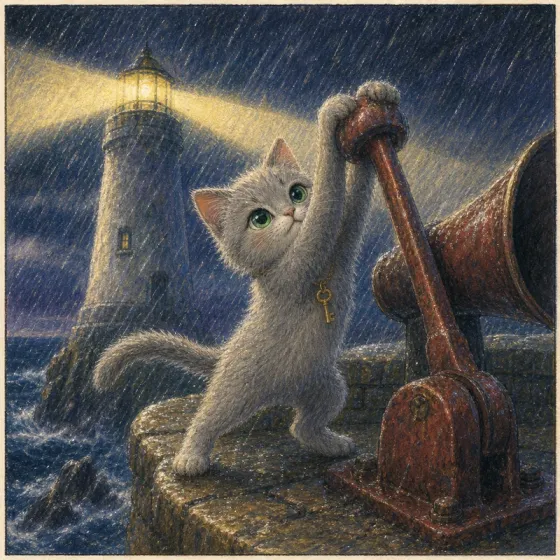
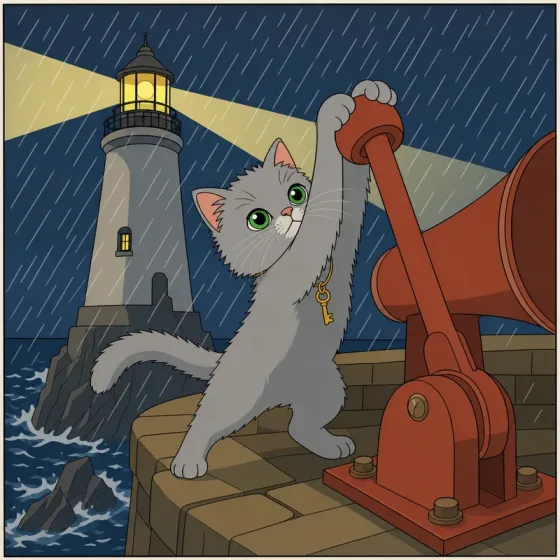
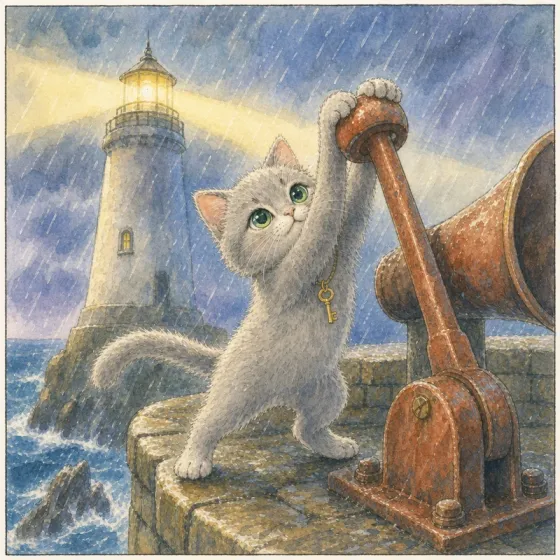
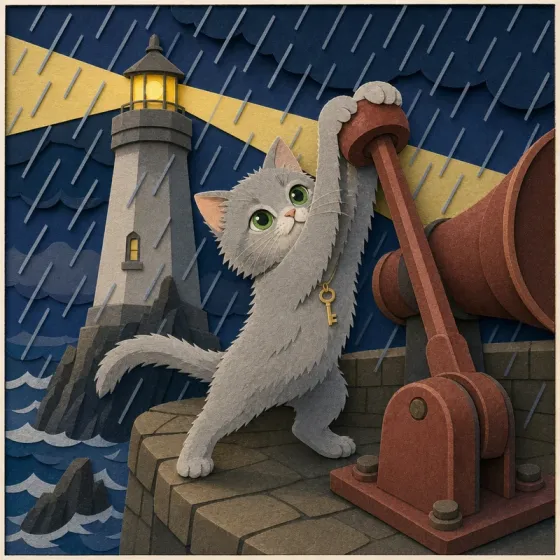
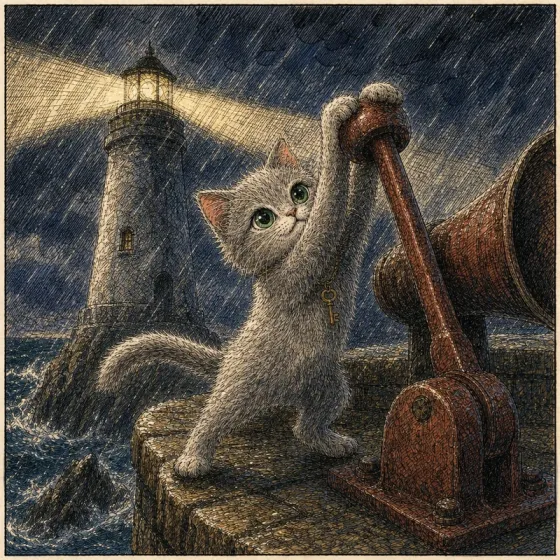
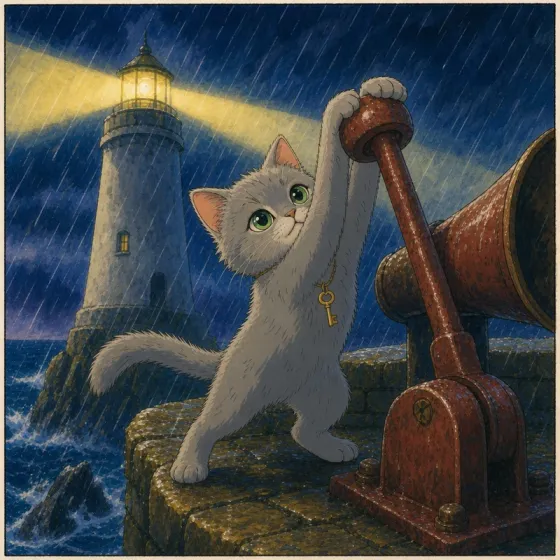
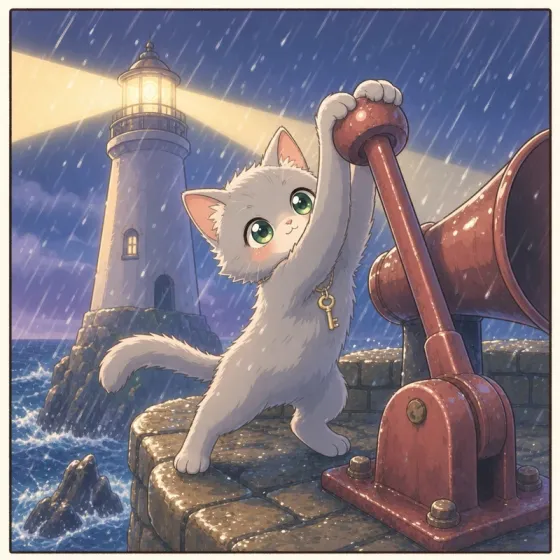
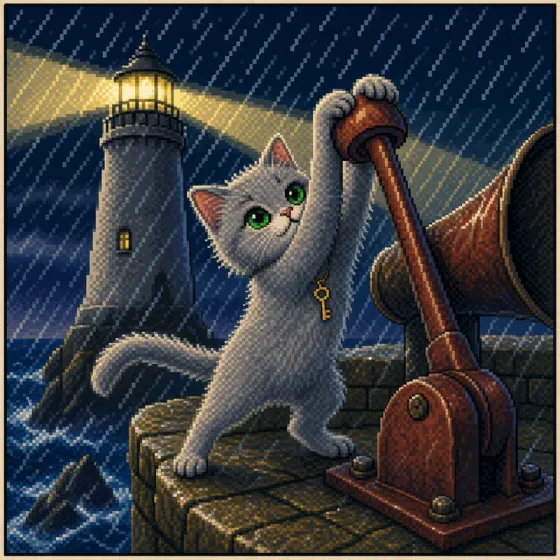
Same comic, same cat, same moment. Only the medium changes.
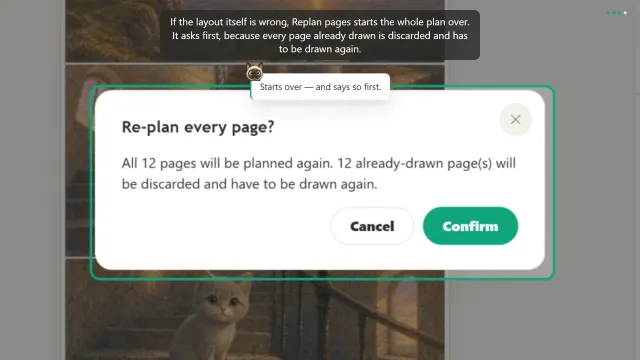
The first version is a draft, not a verdict. Every part of it can be edited on its own — and editing one panel does not regenerate the page around it.
Change a line, a name or the whole ending in the script, and only the panels that depend on it are redrawn.
Ask for another take on one frame — a different angle, a different moment — without touching its neighbours.
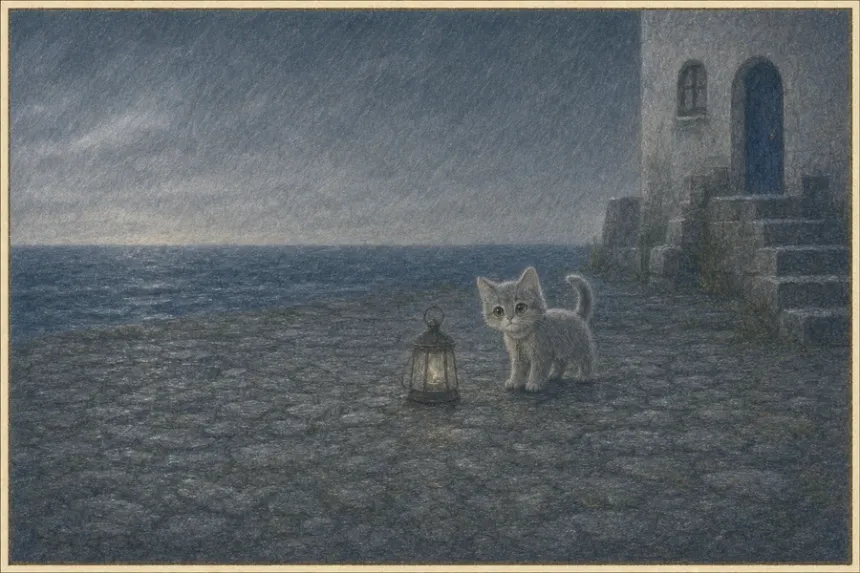
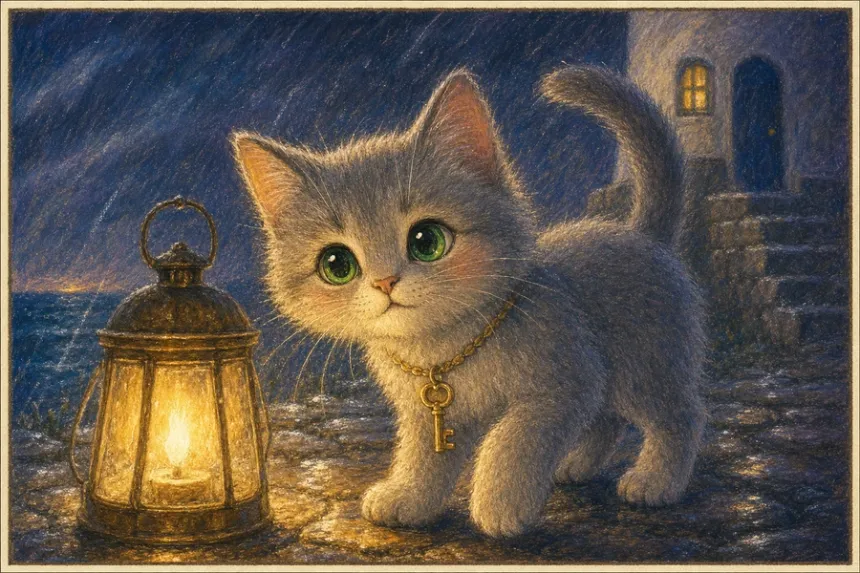
Brush over the part you want changed and describe the fix; the rest of the panel stays exactly as it was.
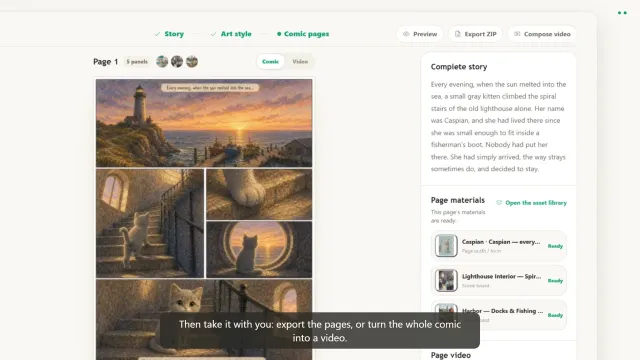
Four short films recorded in the real product — writing the story, choosing the look, drawing the pages, and reading the finished comic book, start to finish.
Your finished comic isn't stuck inside Readkidz. Read it online, share it with a link, or download the pages to print.
Page by page on a phone, tablet or laptop.
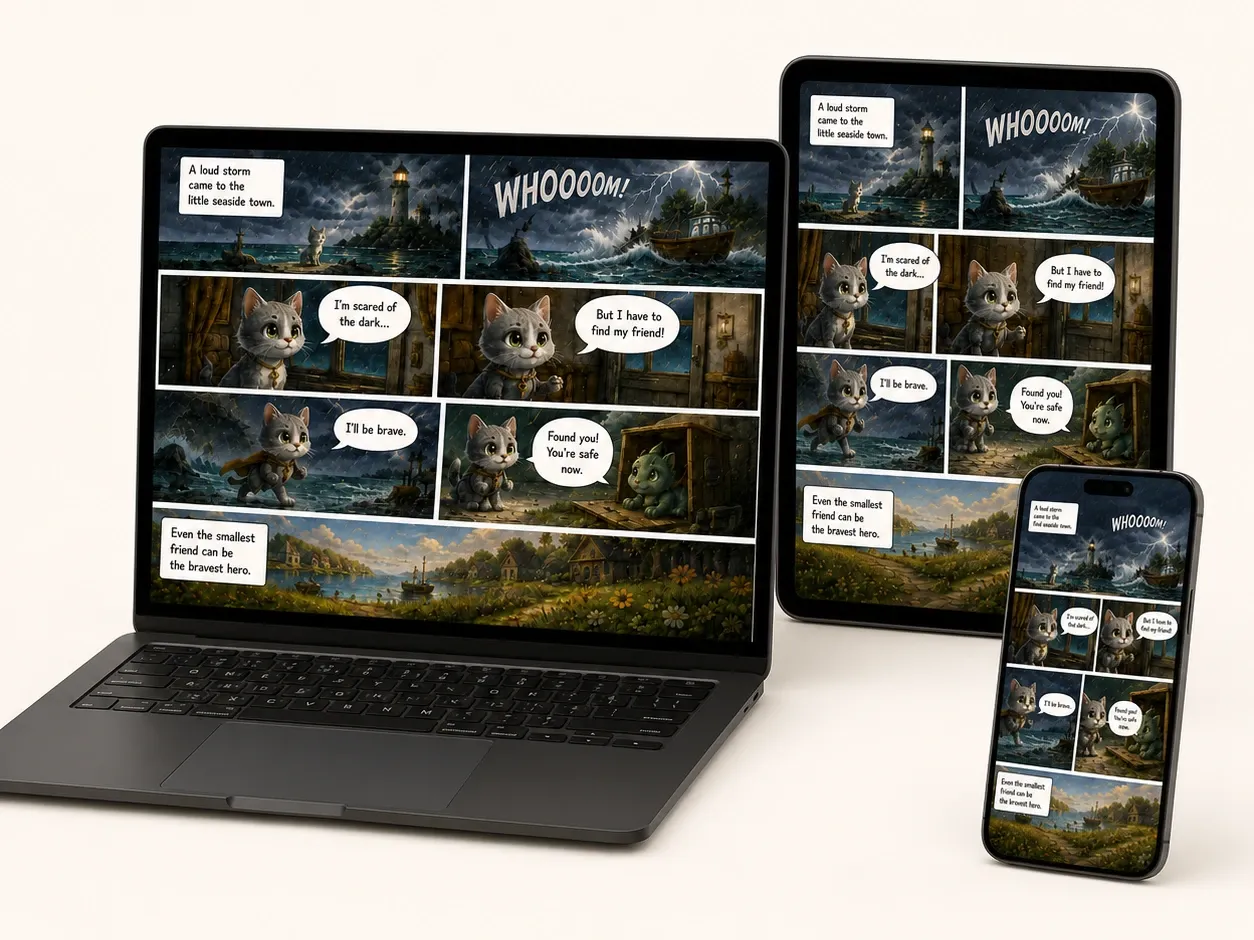
Phone · Tablet · Laptop
Send it to family, friends or a classroom.
Anyone with the link can read it.
No account or app required
Download every page and print it at home or with a print service.
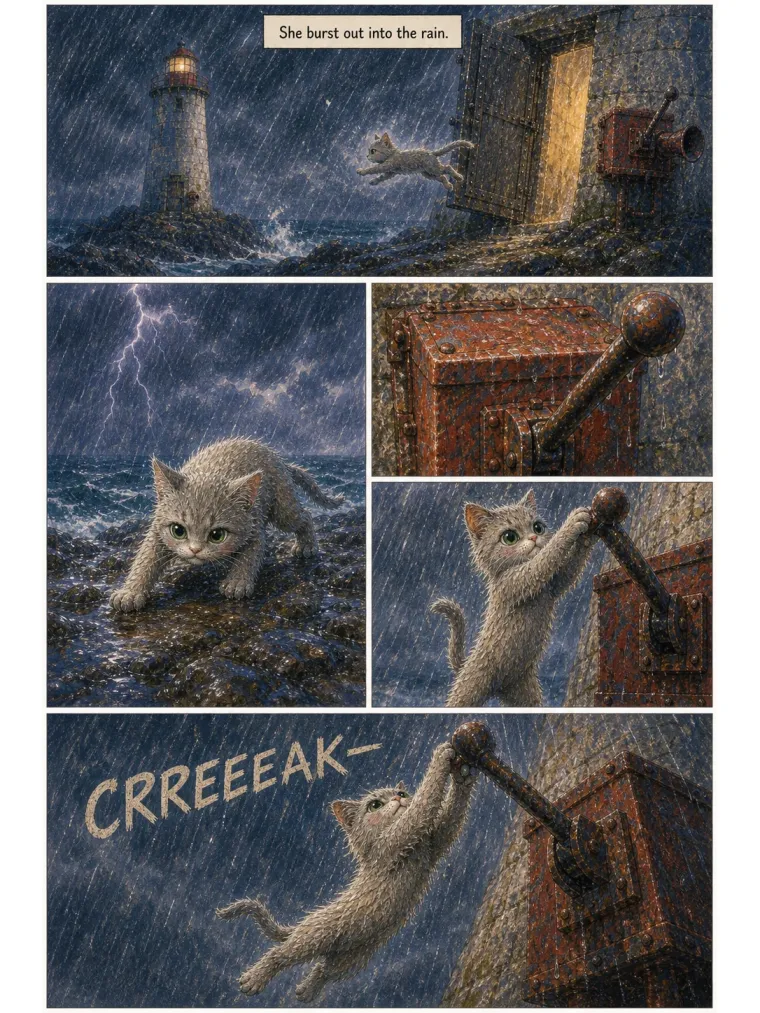
High quality · Print ready
Every one is a complete comic you can read panel by panel — not a preview. Browse all comics →
Describe the story in a sentence or two, pick an art style and a reading age, and Readkidz writes the story and lays it out panel by panel with speech bubbles. You can then rewrite lines, redraw single panels, and download or share the finished comic.
Yes. Every character is designed from several angles before any panel is drawn, and each panel is rendered against that design sheet. That is the part most tools get wrong, and it is the reason this one starts with a character sheet.
New accounts start with 1500 credits and no card. That is enough to take an idea through a story and real pages, so you can judge the result before paying. Free exports carry a watermark; paid plans export clean pages.
Yes. Pick a page shape when you start — 3:4, 2:3, 1:1 — and download every page as an image. Home printers and print shops both take these files; there is no separate print order to place with us.
Ages 4–12. The reading age you choose changes vocabulary, sentence length and how much happens per panel, so a comic for a six-year-old is not the same comic with smaller words.
Yes, and the character carries over. The same idea and cast can become a picture book, an animation, or a kids song with a music video.
Yes. Our Terms assign you the rights to the comics you generate here, for personal or commercial use, and your exports carry no watermark on a paid plan. Three limits are worth reading first, chiefly that AI results are not exclusive: a similar prompt can produce a similar comic for someone else. The full wording is on our Rights page and in section 9.5 of the Terms.
Free to start, no card. Ages 4–12, 25 languages.