


Make a Bedtime Story About a Cat
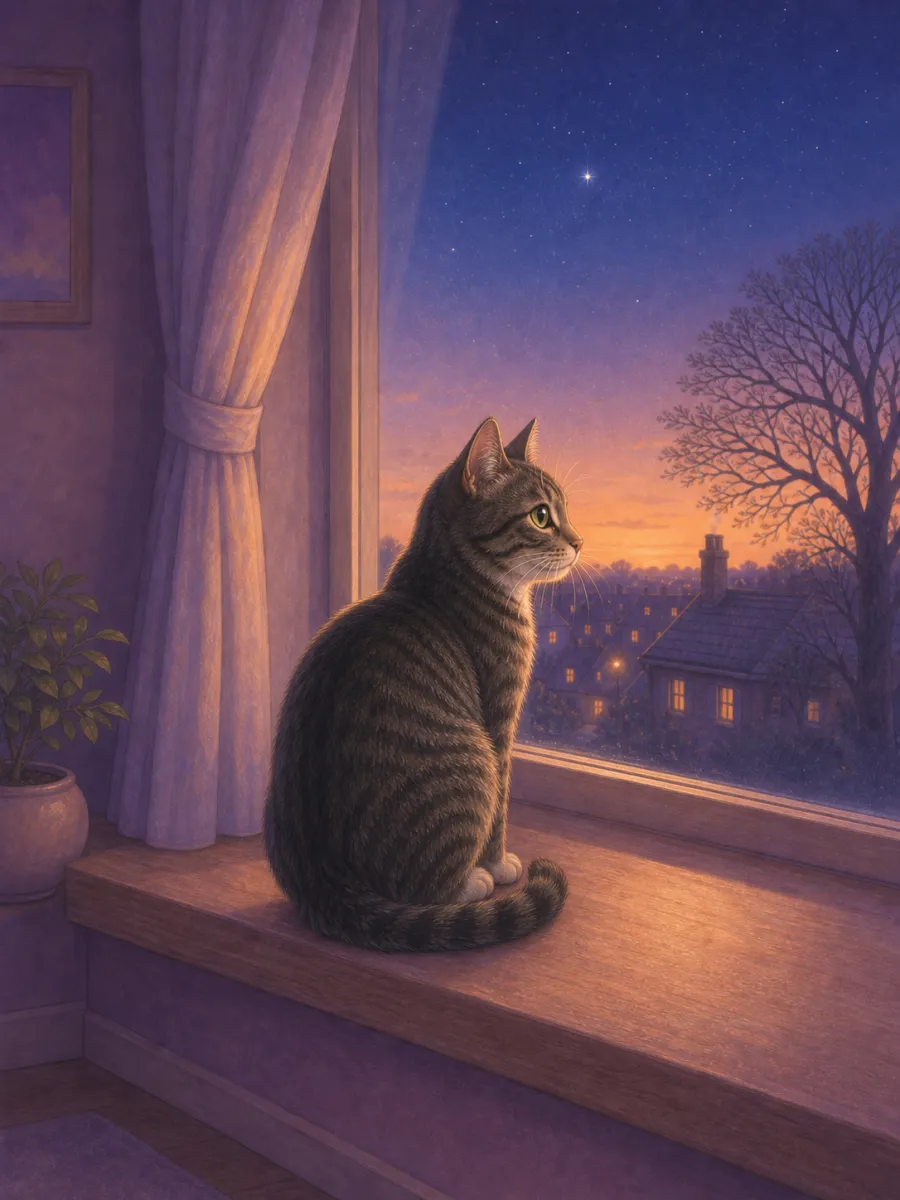
A bedtime story about a cat starts with an unfair advantage: the cat is already doing the thing you want the child to do. Readkidz writes and illustrates a complete picture book where a cat watches the last light leave the window, turns in a circle, and curls up — and the reader's body copies it without being told to.
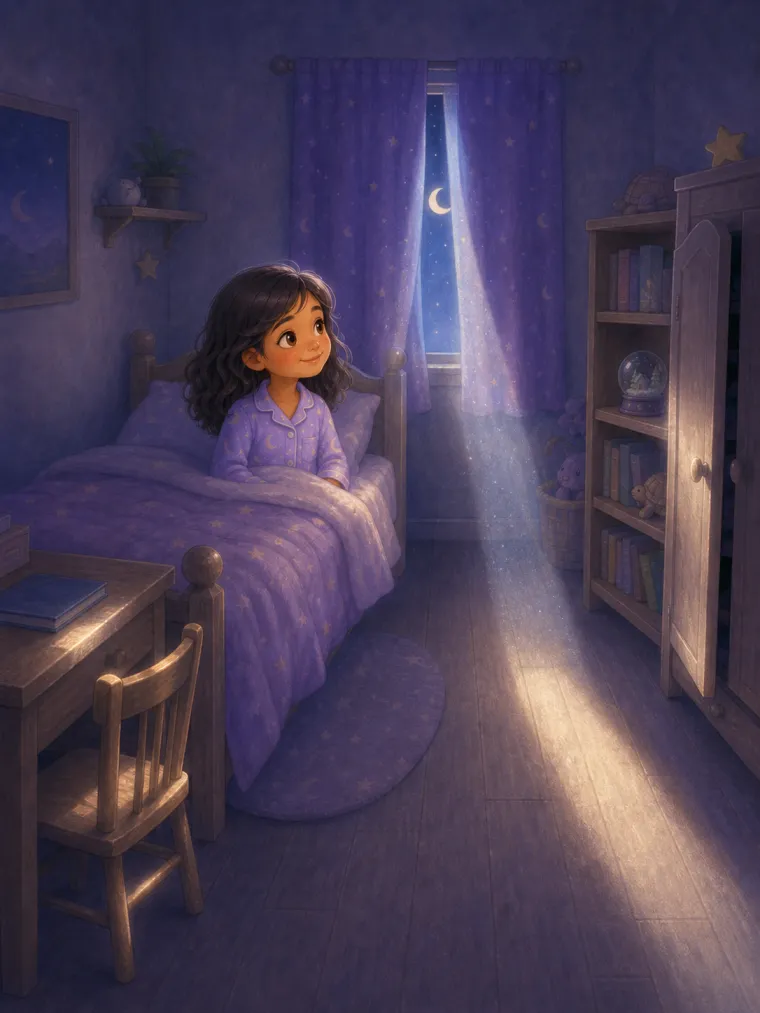
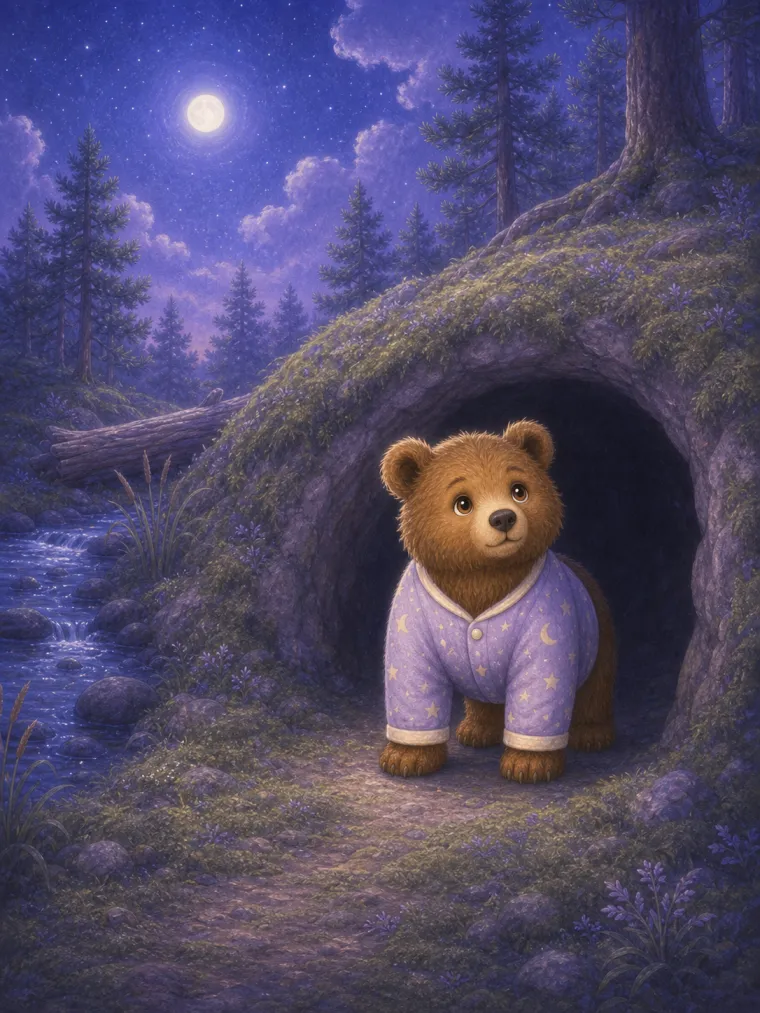
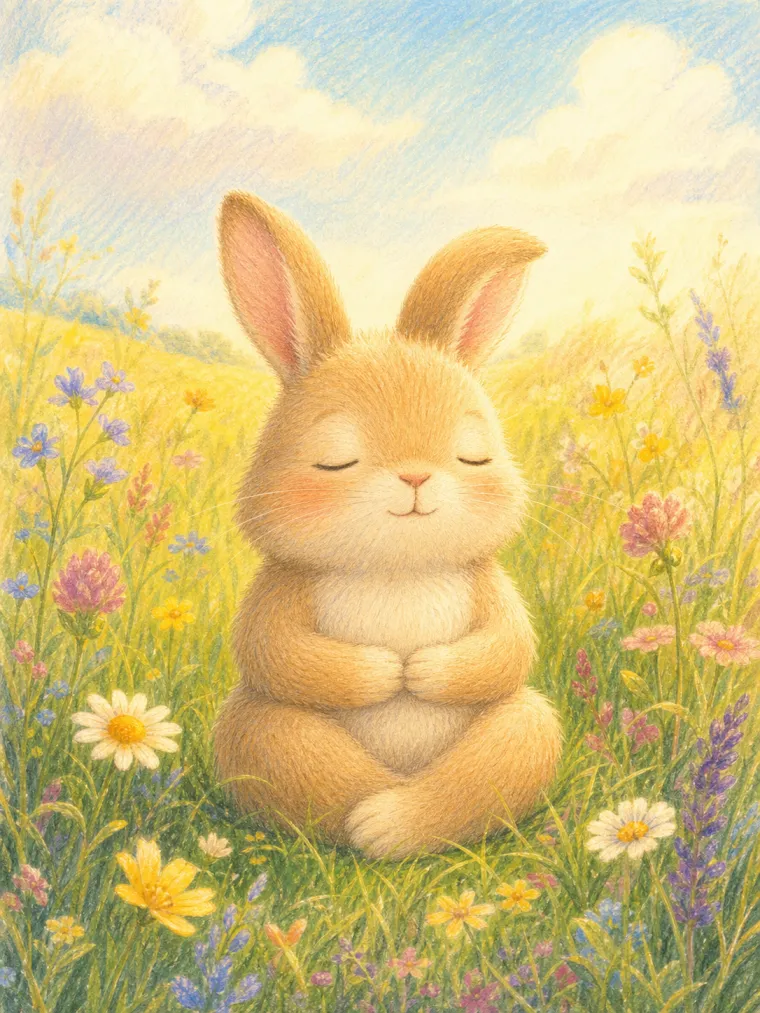
Made with Readkidz
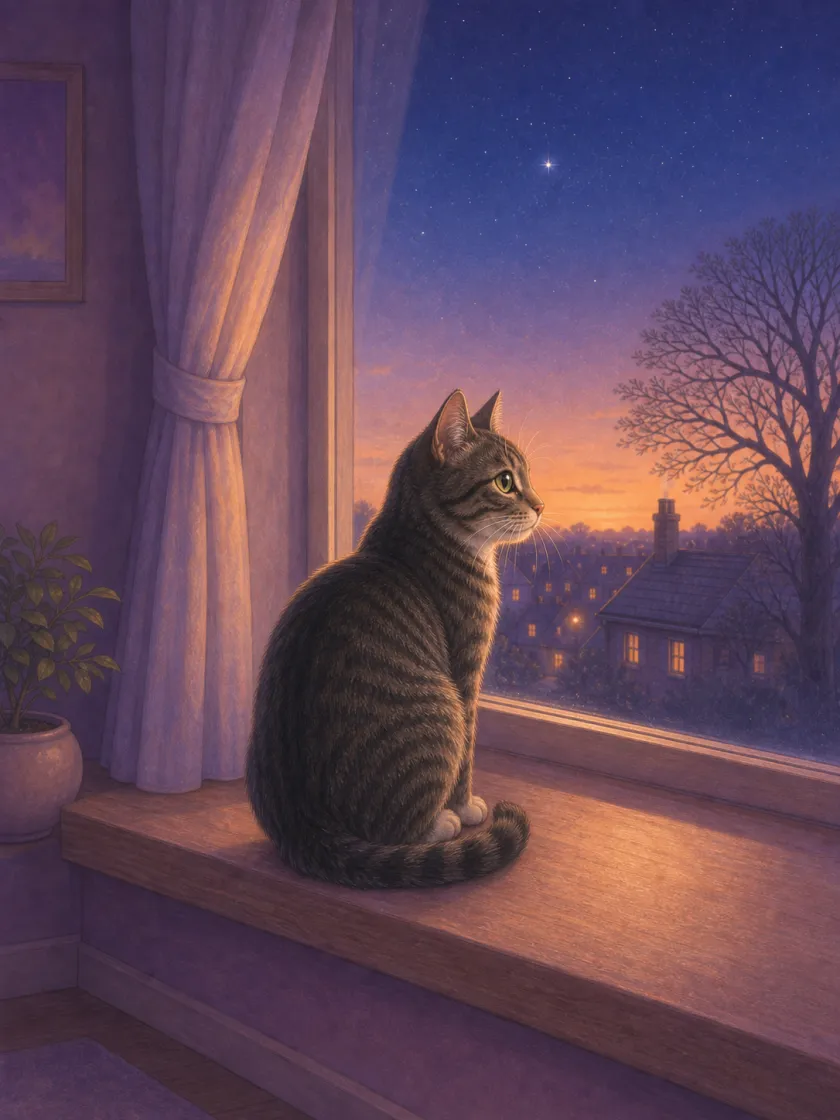
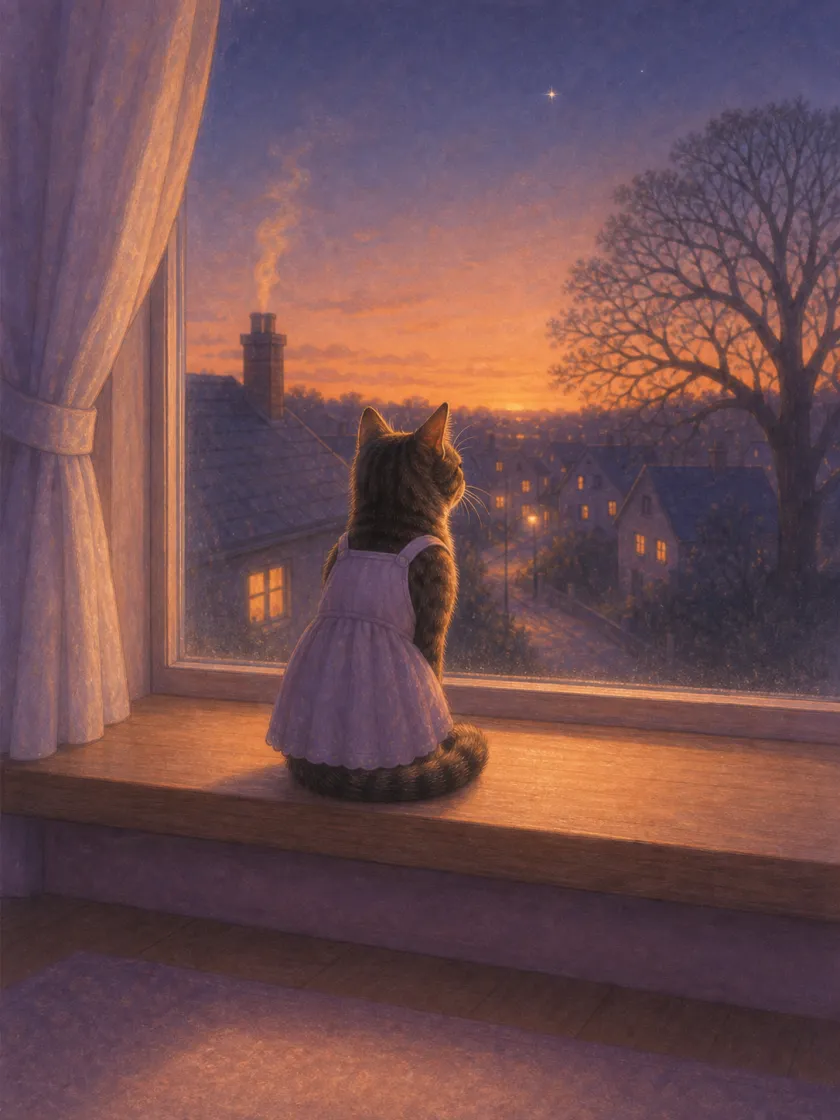
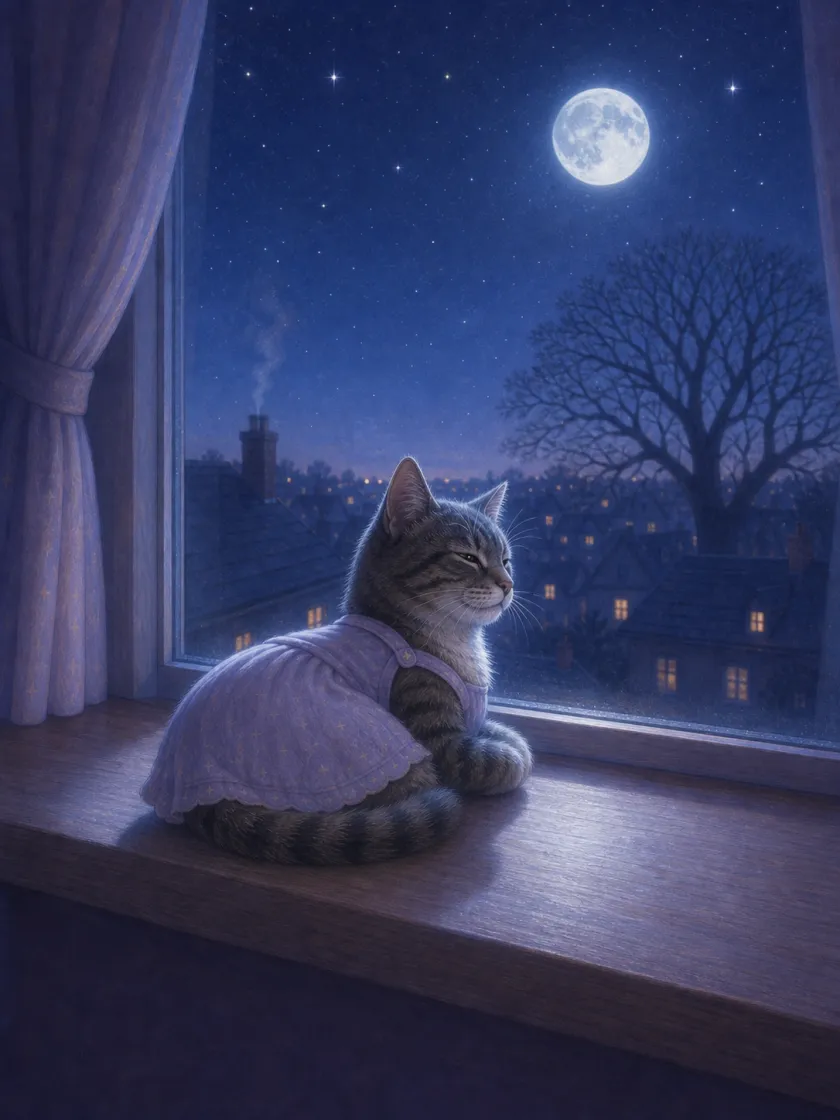
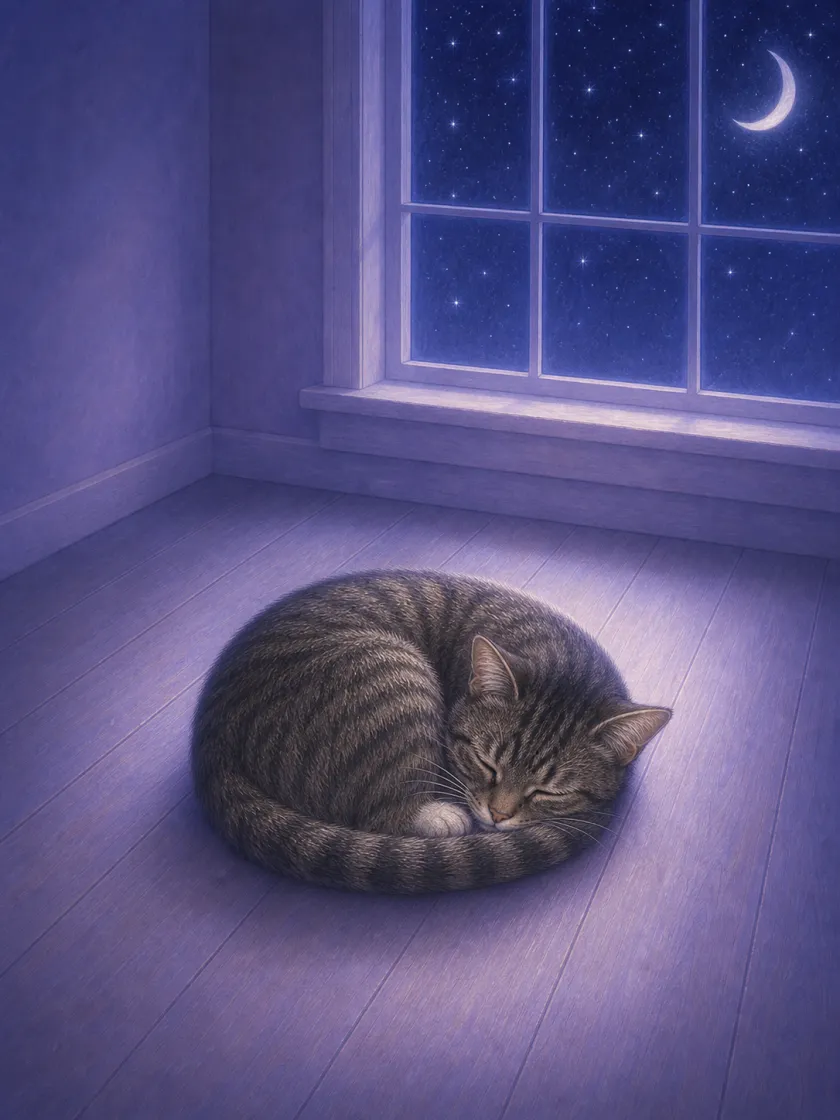
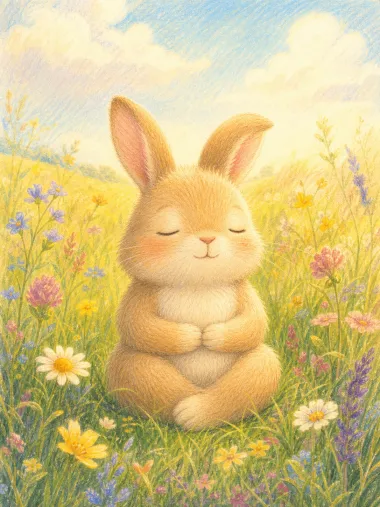
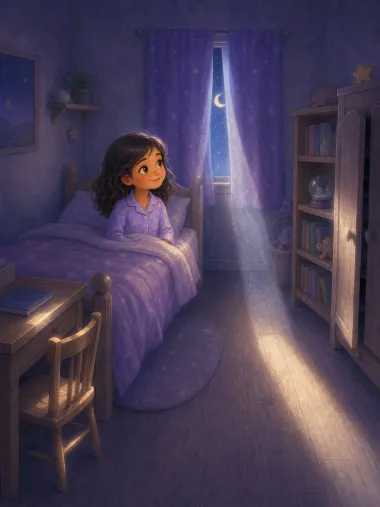
Three pages from “Juniper Cat and the Last Window Light.” The cat never explains anything — it just gets sleepier, and the reader follows.
Complete stories made on Readkidz
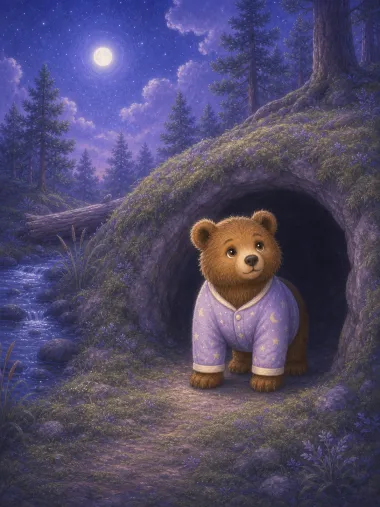
Every one is a finished book you can read page by page — not a preview. Browse all storybooks →
How it works
- 1Choose the window the cat watches from
A sill over rooftops, a back door onto a garden, a radiator under a curtain. One vantage point, kept identical page after page, is what lets the fading light carry the whole story.
- 2Let the light do the work
Orange, then grey, then silver, then almost nothing. Describe the sky you actually see from your window and Readkidz paces the pages to that fade, so the book gets darker at the same rate the room does.
- 3End on the curl, not the yawn
The last spread should be the cat already asleep — nose under tail, nothing left to watch. Read it aloud, and if the ending still has energy in it, ask for a quieter one and redraw that page alone.
Is this what you were looking for?
- What you get
- 10 illustrated pages plus a cover
- Written for
- Ages 2-6
- How long
- One sitting — not weeks
- Rights
- Original story — nothing is retold from another book
Frequently asked questions
Why a cat instead of a child?
Because a cat going to sleep is a demonstration, not an instruction. Nobody in the book tells anybody to settle down — the cat simply does it, slowly, and children read that as permission rather than as a rule. It is the same reason cats are hard to argue with.
Can it be our own cat?
Yes, and that is the version children ask for twice. Describe the markings, the crooked whisker, the spot it actually sleeps in, and the same cat appears on every page rather than a generic one.
What if we don't have a cat?
It still works — a cat glimpsed on a wall, a neighbour's cat, or one your child has decided exists. The story does not require ownership, only a cat that turns up at the window each night.
How long should it be?
Around eleven spreads is the natural length for a fade-to-dark story: enough room for the light to change believably, short enough to finish before the second wind arrives. You set the count before anything is drawn.
Can I read one all the way through first?
Yes. The link below opens the complete eleven-page Juniper Cat and the Last Window Light, including the caregiver notes and the questions at the end.
Will mine end up the same book?
No. What carries over is the method — one window, light that leaves, a cat that settles. Your cat, your view, your rhythm and your ending are all set by you, and the sample's text is never reused.
Make tonight's cat story
Tell us about the window and the cat. You leave with every page drawn, and nothing is charged until you have seen what it costs.
Create new original characters, wording, and visual designs. Do not request protected characters, logos, or close imitation of a living artist’s signature style.