


Make a Bedtime Story About the Moon
The job of a bedtime story about the moon is the opposite of a daytime story's: wind down instead of build up. Readkidz writes and illustrates a complete moonlit picture book that gets quieter page by page, keeps the same child in the same room from cover to close, and ends somewhere a child can actually fall asleep.
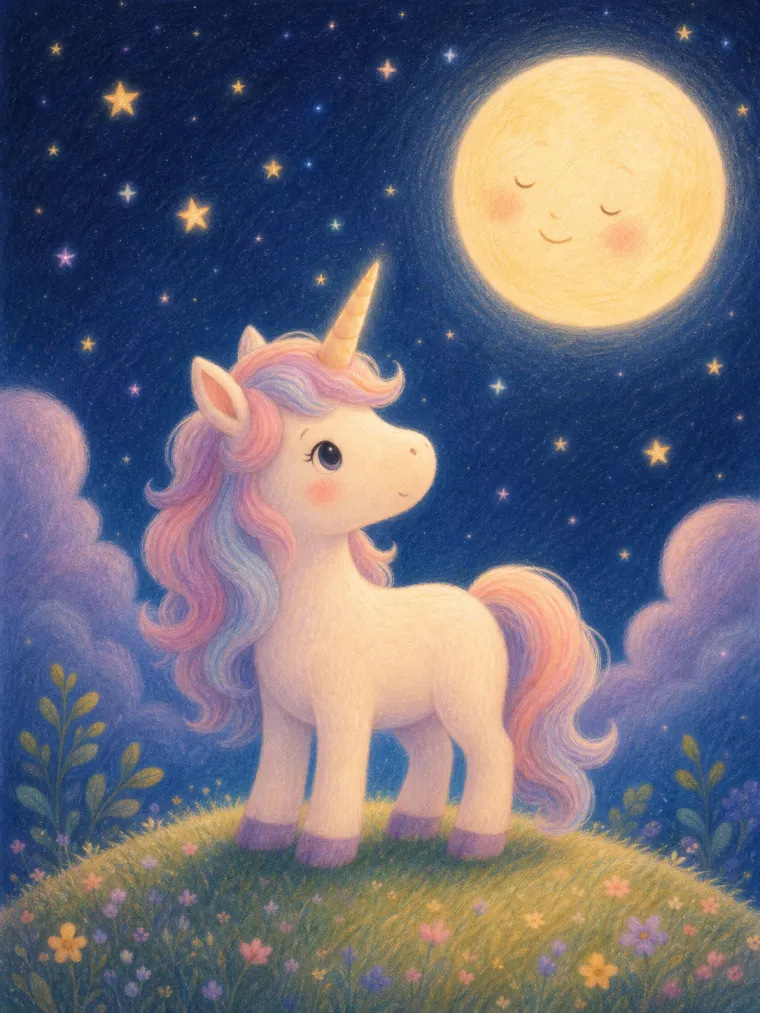
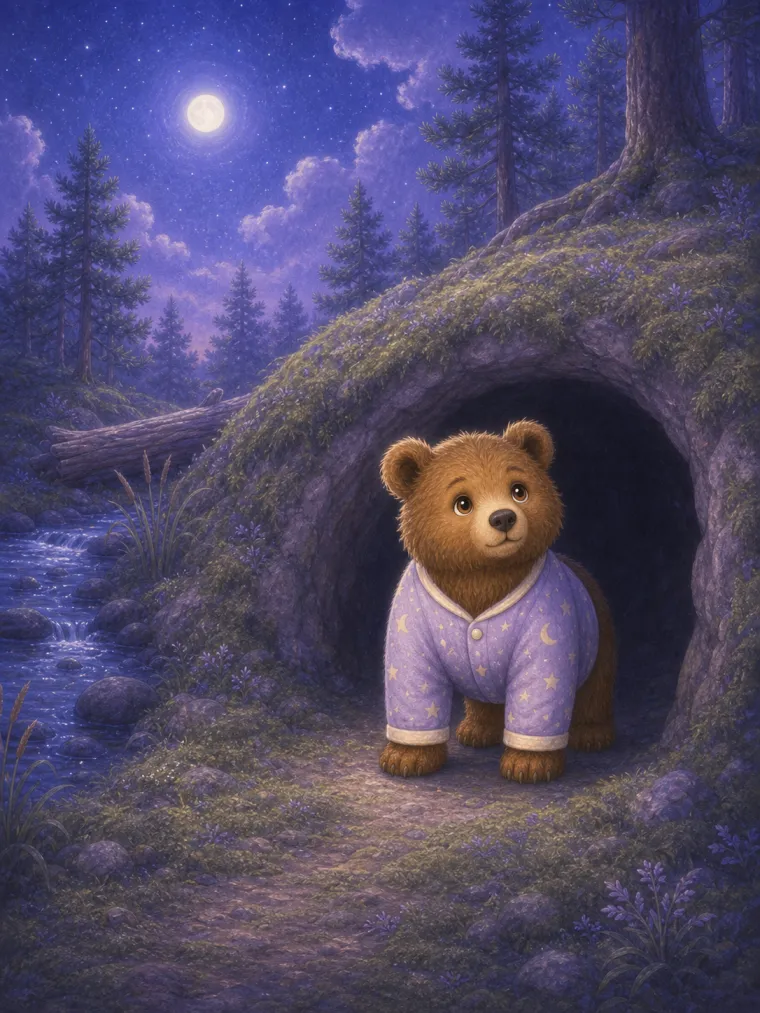
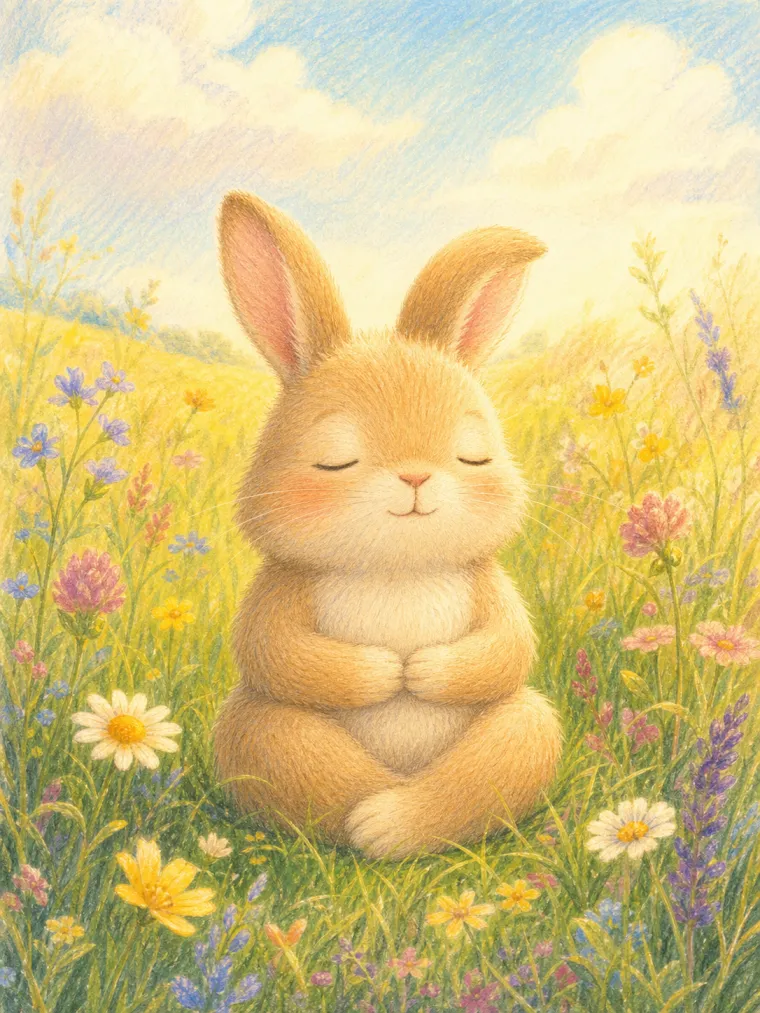
Made with Readkidz
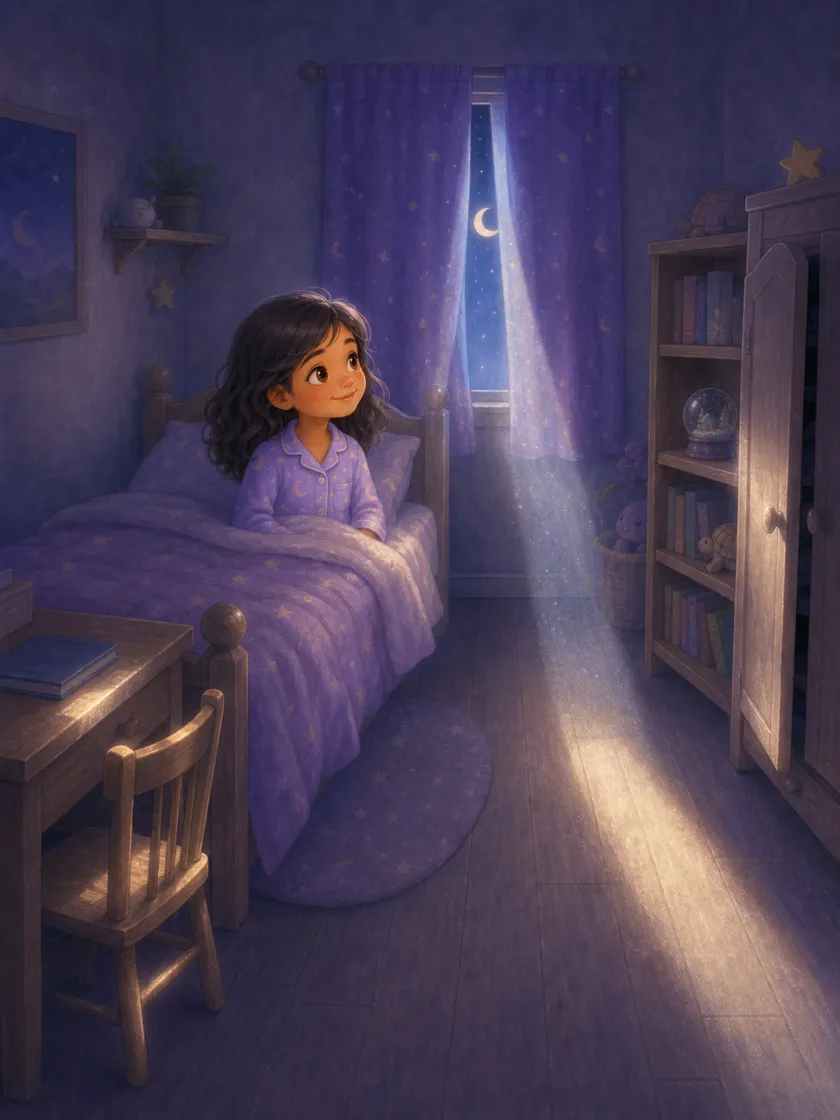
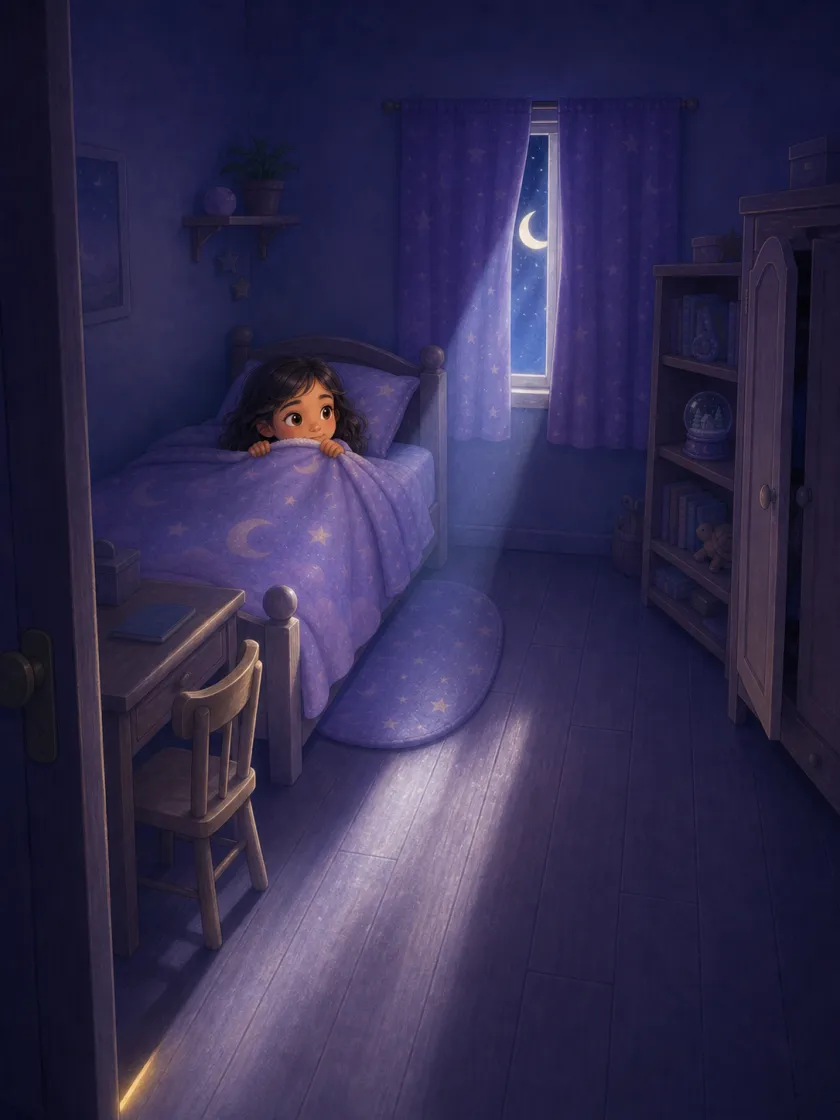
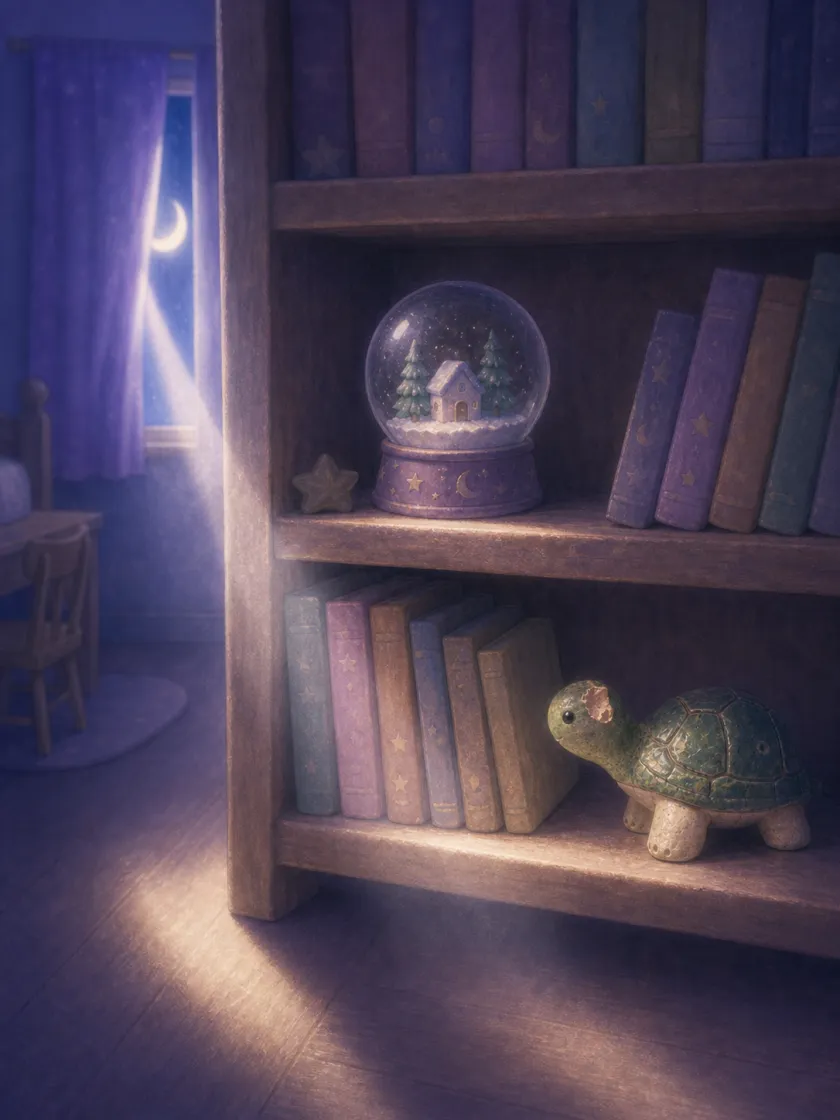
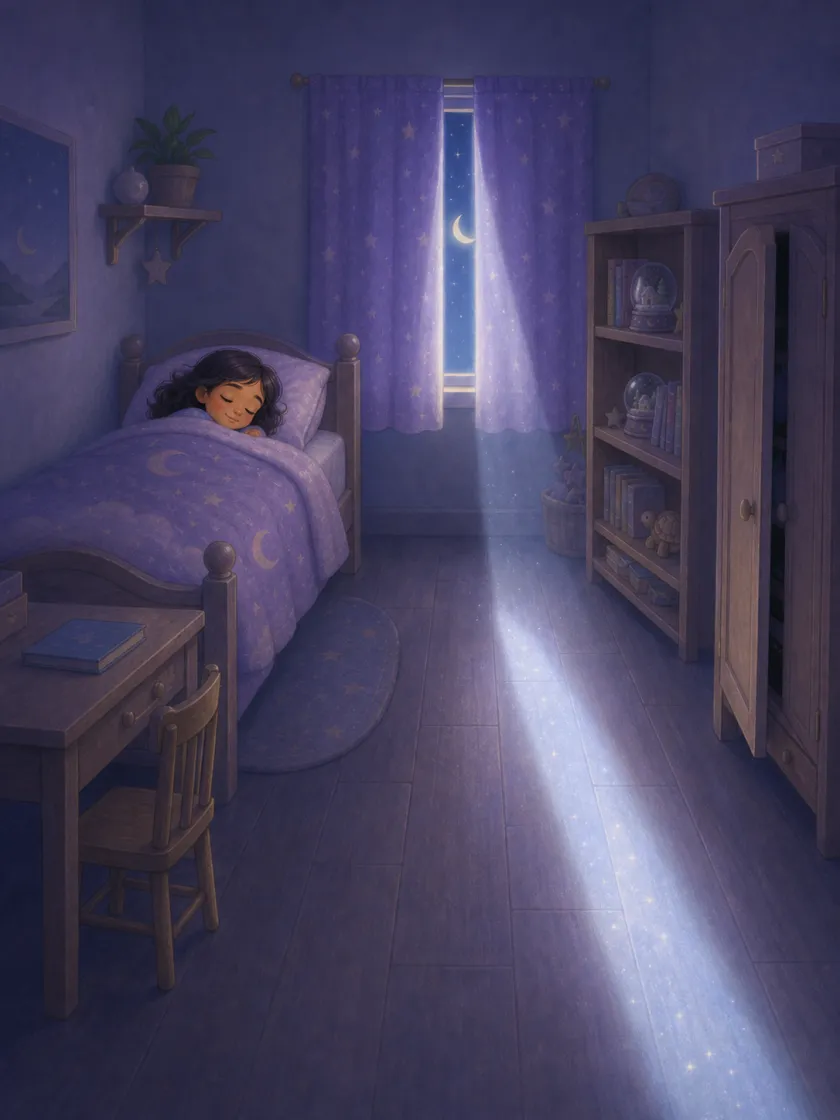
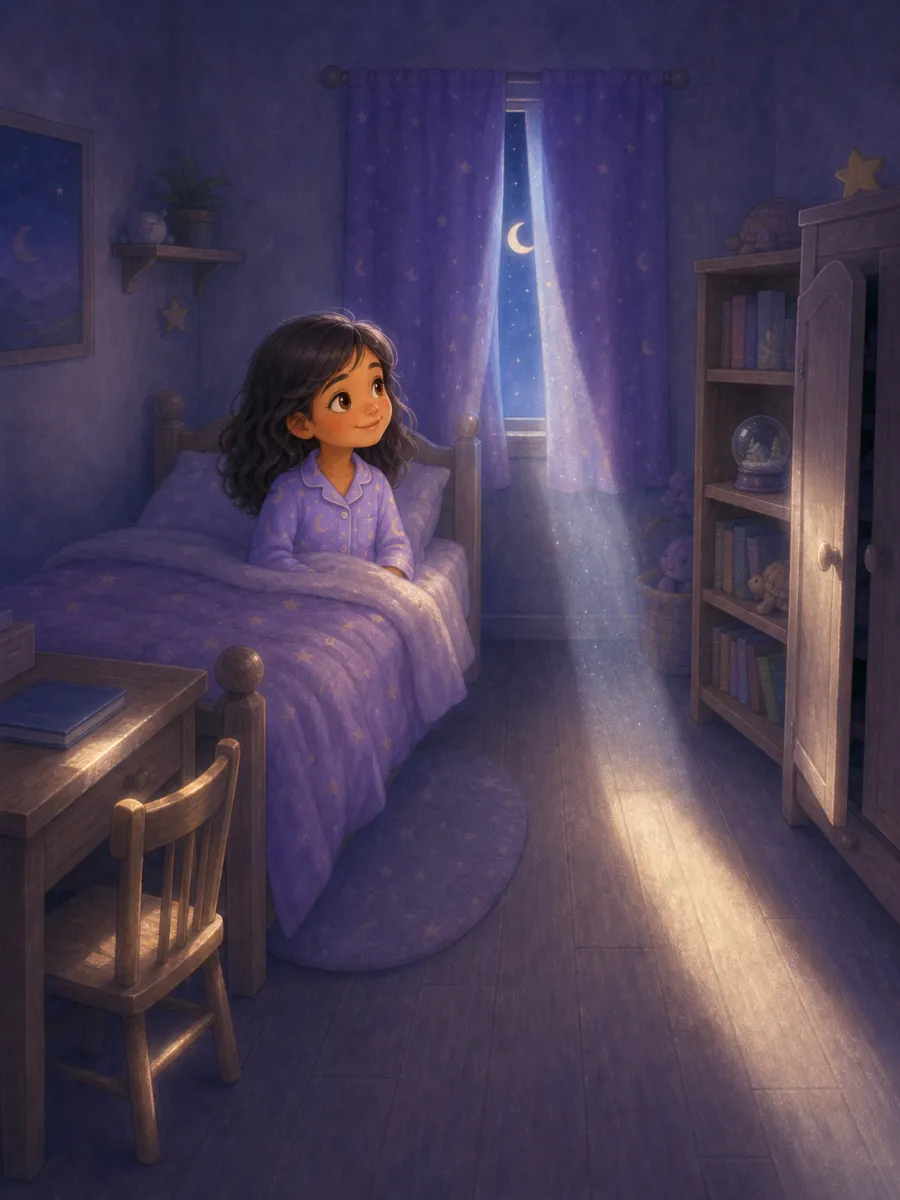
Four pages from “The Moon Kept One Little Light.” Notice the room never changes — only the light moves. That is the whole bedtime device.
Complete stories made on Readkidz
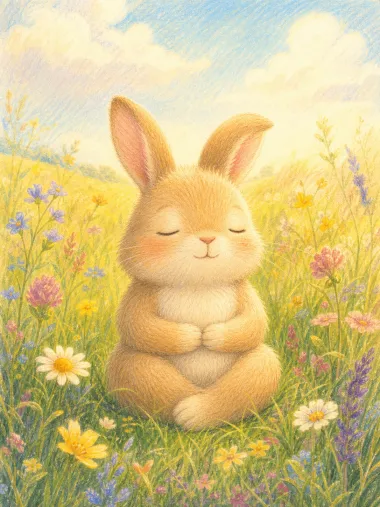
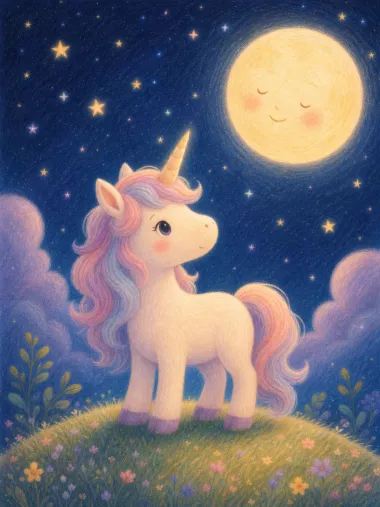
Every one is a finished book you can read page by page — not a preview. Browse all storybooks →
How it works
- 1Say what the dark is like at your house
The lamp clicking off, the hallway going thin under the door, one particular shadow on one particular wall. A bedtime story lands when it names the thing your child is actually lying there thinking about.
- 2Pick the room the moonlight will cross
The moon works best as a slow visitor — it reaches the floor, then the shelf, then the bed. Readkidz keeps that one room and that one child consistent on every page, so the moonbeam's journey is what carries the story instead of new scenery.
- 3Read it out loud before you keep it
A bedtime book gets read fifty times, so the last page matters more than the first. Read it aloud once, shorten any line that speeds up, and redraw a picture that feels too bright — then keep it, print it, or send it to a grandparent.
Is this what you were looking for?
- What you get
- 10 illustrated pages plus a cover
- Written for
- Ages 3-7
- How long
- One sitting — not weeks
- Rights
- Original story — nothing is retold from another book
Frequently asked questions
What makes a bedtime story actually work at bedtime?
A downward curve. The problem arrives early, the middle slows instead of escalating, and the last spread has almost nothing happening in it. Stories that save their biggest moment for the end wake children up. When you describe your story, say how you want it to end — quiet, resolved, still in bed — and the pages will be paced toward that.
Can I use our own bedroom and our own child's name?
Yes, and it is the single thing that makes these books get re-read. Describe the real room — the window on the left, the nightlight, the pile of laundry on the chair — and the same room is drawn on every page. Children notice their own ceiling.
How long should it be?
Ten to twelve spreads is the usual bedtime length: long enough to settle into, short enough to finish without a second wind. You set the page count before anything is drawn, so you can make a five-minute book or a fifteen-minute one.
Does the moon have to be a character?
No. In the sample the moon never speaks — it is just light crossing a floor, and the child does all the changing. You can equally ask for a talking moon, a moon that is missing, or a moon someone is trying to reach. The theme is a starting point, not a rule.
Can I read one all the way through before I make my own?
Yes. The sample below opens the full eleven-page book — cover, every interior spread, the caregiver notes and the bedtime discussion prompts. Nothing is blurred or gated.
Will my book end up a version of the sample?
No. What carries over is the shape — one room, one child, light that moves, a quiet ending. Your characters, your room, your reason for being awake, and your ending are all yours to set, and none of the sample's text is reused.
Make tonight's moon story
Tell us what the dark feels like at your house. You get a full illustrated book back, in one sitting, with the cost shown before anything is charged.
Create new original characters, wording, and visual designs. Do not request protected characters, logos, or close imitation of a living artist’s signature style.