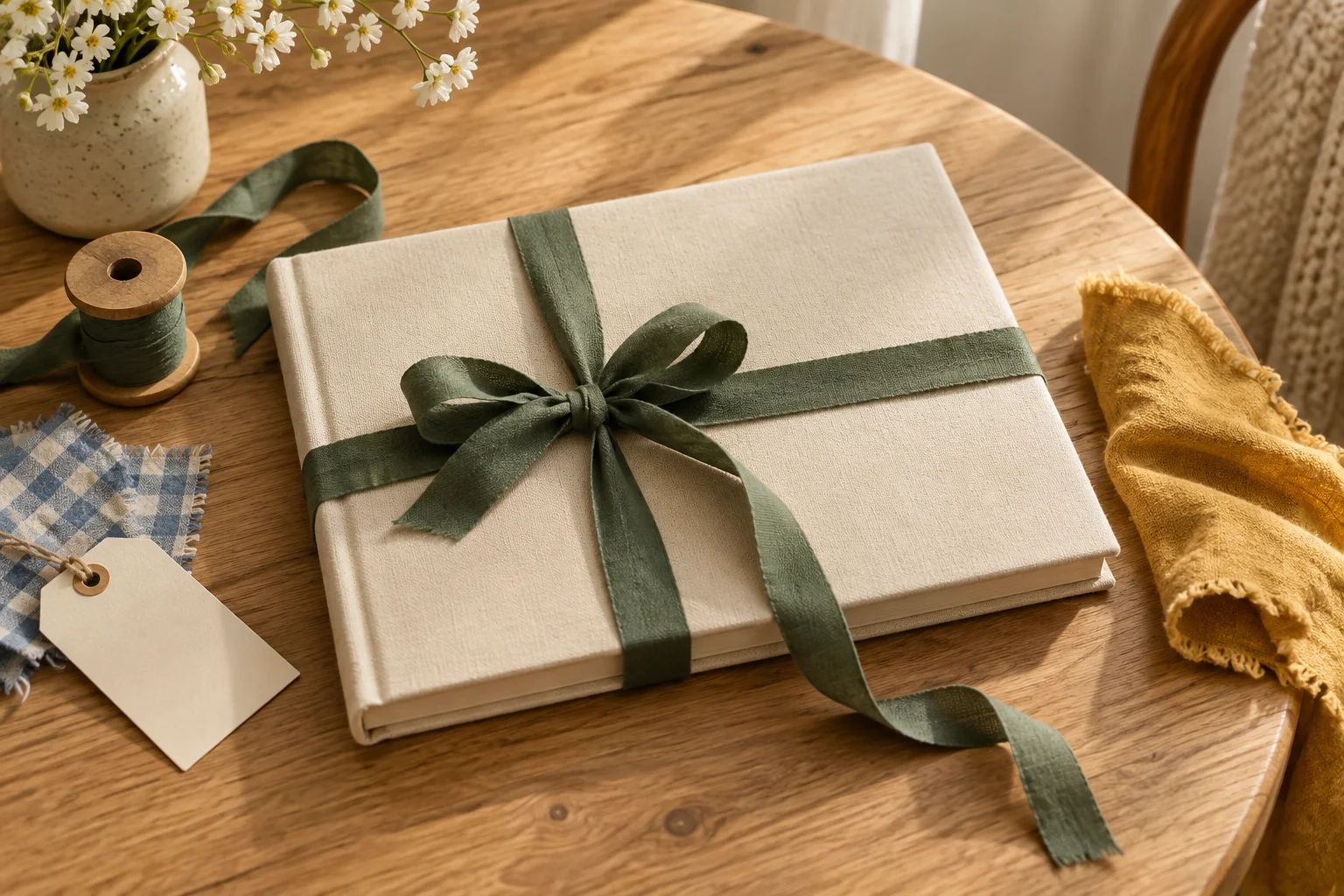
Turn a Family Memory Into an Illustrated Storybook
Add the people, place and memory — ReadKidz turns your real moments into a beautifully illustrated storybook.
- Read online in 25 languages
- Hardcover or print-ready PDF
- For ages 3–7
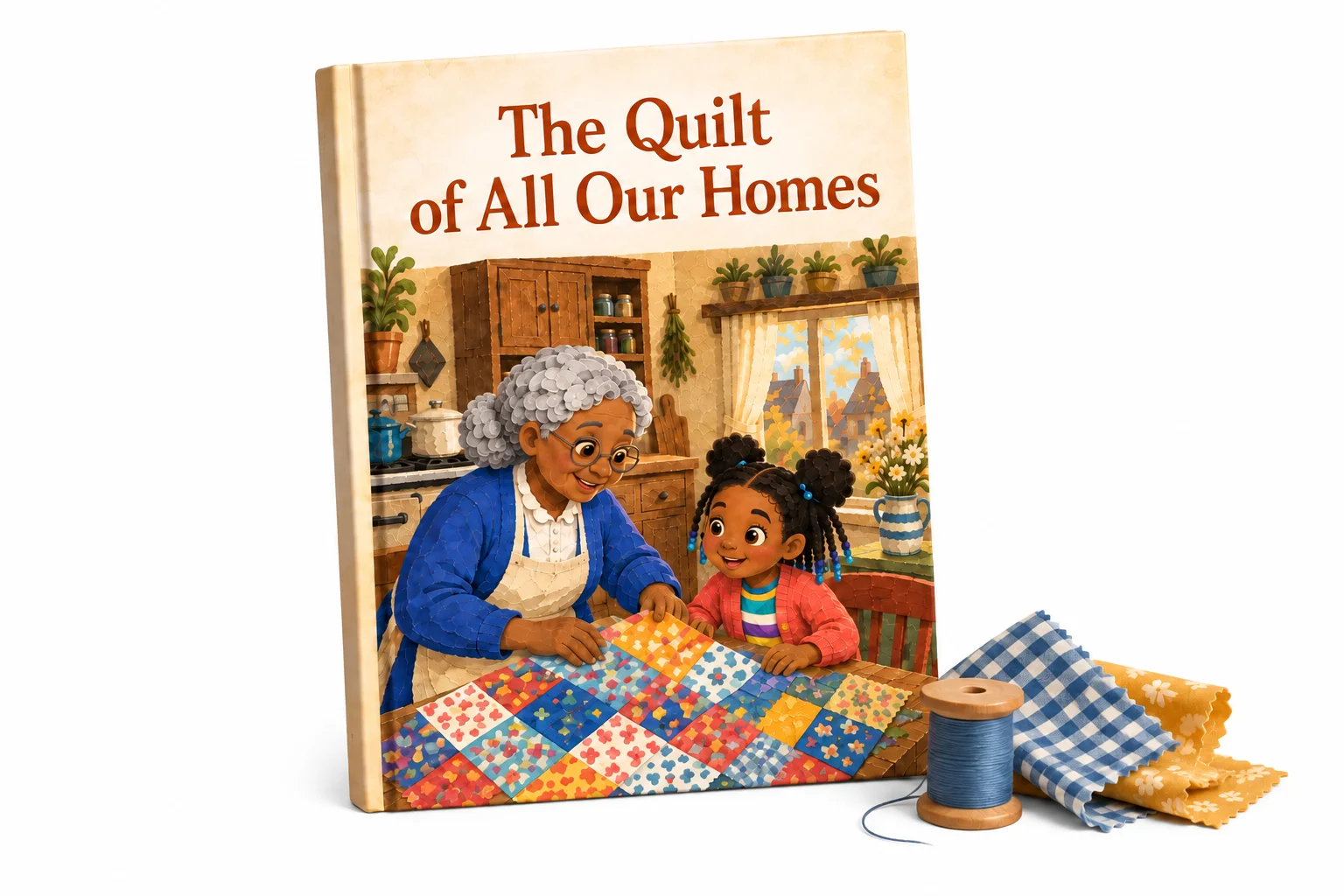
See one memory become a whole story
A simple afternoon with Grandma becomes characters, little moments, and pages worth keeping.

-
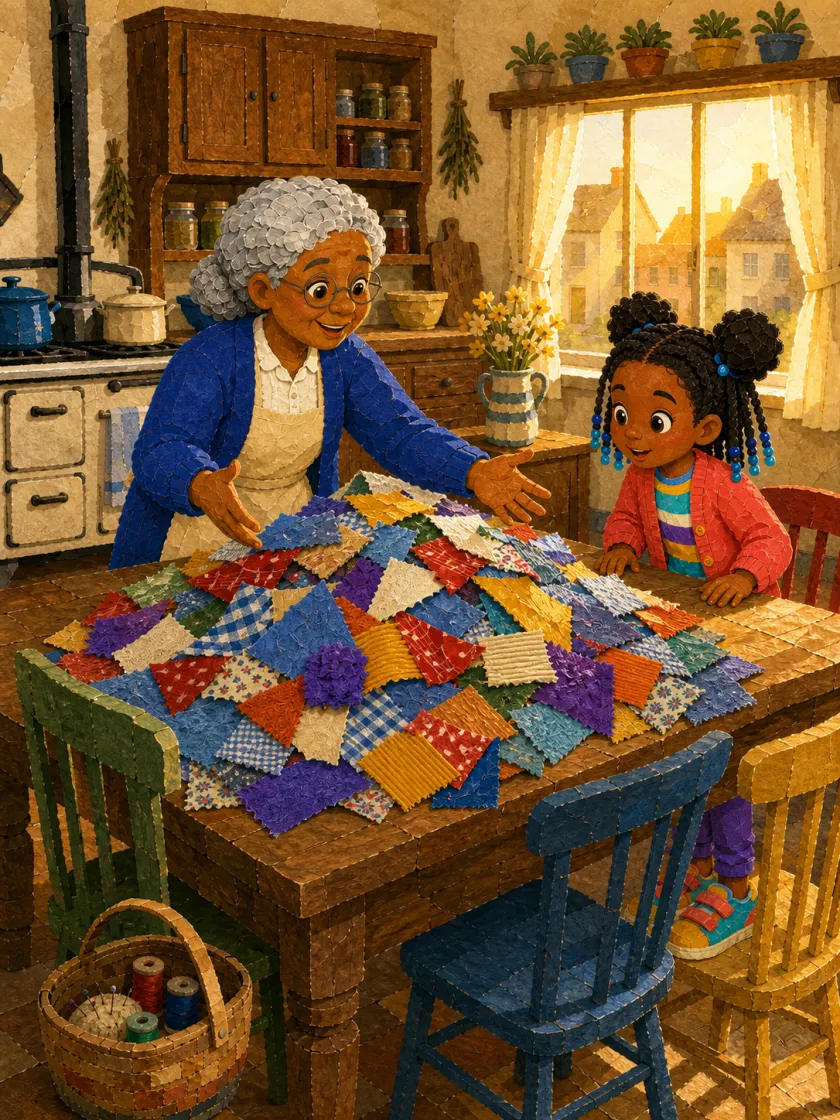
The afternoon begins
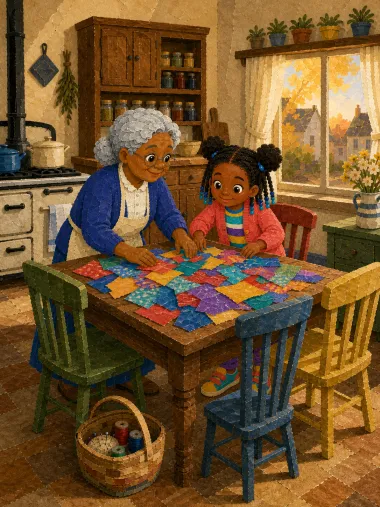
Grandma Jo spreads the old fabric across the table. Every piece comes from somewhere the family loves.
-
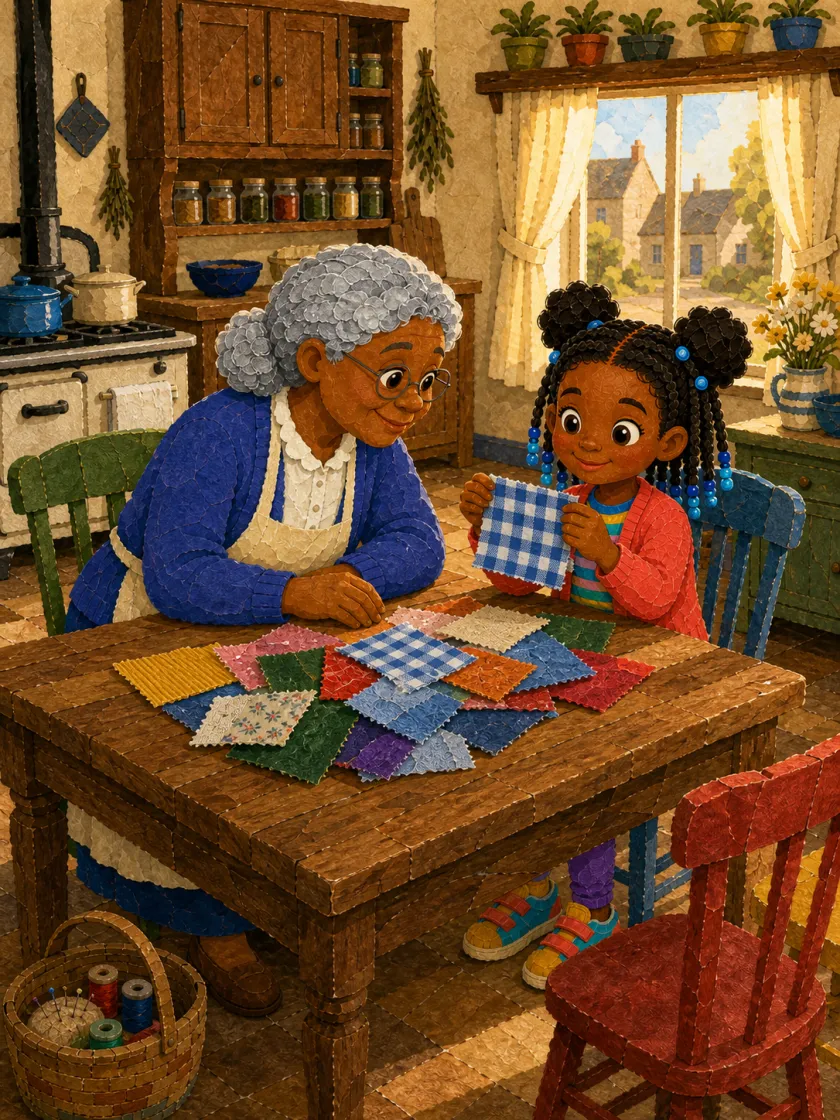
Every patch has a story
A piece of Uncle Desmond’s apron brings back Sunday rice bubbling on the stove.
-
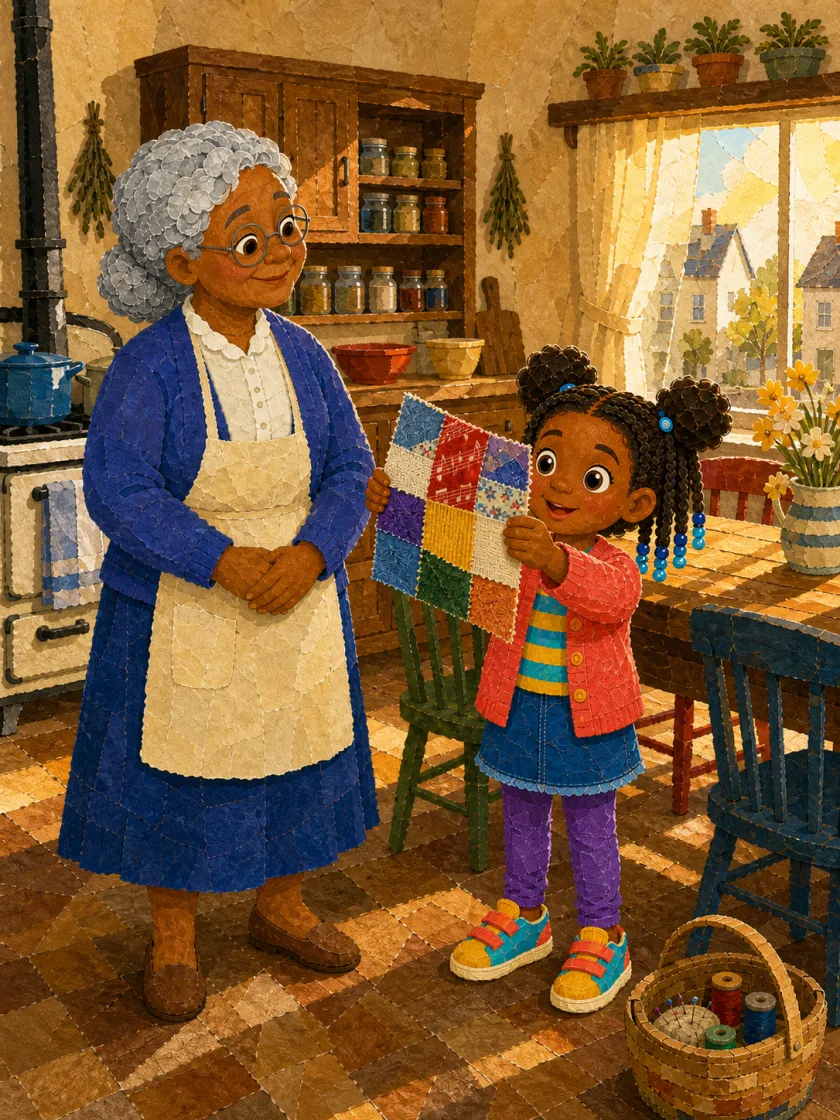
Something to keep
Amara holds up their first quilt square — a little piece of all the places they love.
Family stories to read first
Four finished ReadKidz books about families, feelings and the people around a child — including The Quilt of All Our Homes, the story shown above, 10 pages long. Browse all storybooks →
How it works
A family memory storybook is an illustrated picture book made from a memory you write down — an afternoon with Grandma, a baby’s first year, a family trip. You describe who was there and what happened, ReadKidz draws everyone as consistent characters, and the finished 10-page book is free to read on screen in 25 languages, for ages 3-7, with a printed hardcover available.
- 1Write the memory down
2 to 6 sentences, the way you would tell it at the table: who was there, where it happened, and the details you actually remember. For an afternoon with Grandma, include the kitchen table, the scraps of cloth, and the family story she told.
- 2Meet your family as characters
ReadKidz turns the people and pets in your memory into illustrated characters and shows them to you before the pages are drawn. Adjust a haircut, a coat or a name, or add a photo with a guardian's consent so a character matches the real person.
- 3Read it, then keep it
The finished 10-page book keeps your details in the order they happened. Read it free on screen in 25 languages, rewrite a line if Grandpa remembers it differently, then order the hardcover at $39.90 or export the print-ready 300 DPI PDF.
Memories families make books from
- Baby's first year
- 12 small moments in order: the first smile, the first tooth, the night nobody slept. Made for the baby to read at three, and for you now.
- The trip
- One camping weekend, one flight to the cousins, one road trip with a flat tire. The book keeps what went wrong, because that is what everyone remembers.
- A grandparent's story
- The story told at every holiday, written down at last and drawn with them in it, so it does not leave with them.
- The move
- The last night in the old house and the first morning in the new one, for the child who is not sure about the change.
- The day everyone showed up
- The garden you all built, the move nobody could have done alone, the wedding where the cousins finally met. Everyone you name becomes their own character and stays recognizable; the rest of the room is drawn as a room.
- The pet
- How the dog arrived, what the cat is afraid of, the fish that lived 11 years. Pets become characters with their own look, kept consistent page to page.
- A holiday tradition
- The dumplings on New Year's Eve, the tree the cat climbs, the cousin who only visits in December: the part that makes the holiday yours.
Any memory with a place, a few people and one detail worth keeping fits the same 10-page book, written for ages 3-7 and readable in 25 languages. Each row below is written the way it would go into the box above.
Frequently asked questions
Does the book have to be about a child?
No. The memory can be a grandparent's story, a wedding, the year the family moved, or the life of a pet. The words are written at a picture-book reading level so a child can read it, but the people in it can be any age, and each character is drawn to match the age you give.
Can I make a book about our baby's first year?
Yes, and it is the most common first memory book people make here. Write the year as the moments you actually remember rather than as dates — the first smile, the night nobody slept, the morning they finally sat up on their own — and ReadKidz turns them into pages in that order, with your baby as the character on every one. Brothers, sisters, grandparents and pets can be in it too. The finished book is written at a picture-book reading level, so it works as a keepsake for you now and as a book the child reads themselves at 3 or 4, and it can be ordered as a printed hardcover or exported as a print-ready PDF.
Can I make a book about a trip we took?
Trips are the easiest memories to turn into a book, because they already come in order: getting there, the day something went wrong, the way home. Write the parts you would tell someone at dinner rather than the itinerary — the detour, the food nobody liked, the animal your child named — and those become the pages. Everyone who came along, grandparents and pets included, can be in it.
Can I write down a story my grandmother tells?
Yes, and it is the version people most often say they wish they had made sooner. Ask her to tell it once while you write down the details that have never been written anywhere — the names, the place, the year, the part that always makes everyone laugh — then hand that paragraph in. She can be drawn into the book as herself, young or old or both, so the story ends up with her face in it rather than only in someone's memory of it.
Will a book about moving house help my child settle in?
Families use it that way, and it is one of the most common versions made here. Write the last night in the old house and the first morning in the new one, and name the things that actually worried your child — the bedroom that is the wrong shape, the friend who stayed behind. The book does not pretend the change was easy; it puts your child at the centre of it and ends where you decide it ends, which is what makes it readable at bedtime in a new room.
Can our dog or cat be the main character?
Yes, a pet can carry the book rather than sit in the background — the dog who arrived before the baby did, the cat who has run the house for 11 years. Describe the animal the way you would describe a person: the markings, the one thing it is afraid of, where it sleeps, what it does that nobody else's pet does. It keeps the same look from the cover to the last page, the same as a human character.
Can I make a book about the way our family does a holiday?
Yes, and the part worth writing down is usually the most specific one: the dumplings folded on New Year's Eve, the tree the cat climbs every December, the cousin who appears for one week a year. Describe the tradition and who does what in it, and the book becomes something to reread on the same date each year. A printed copy is a common gift for the grandparents who are in it.
How much of the memory do I need to write?
A few sentences. Name who was there, where it happened and 2 or 3 details you actually remember. The story is built around those details rather than replacing them, so a line like "Dad burned the first 3 pancakes" comes back as its own illustrated page, not a summary.
Can the characters look like my family?
Yes. Everyone in the memory becomes an illustrated character you check before the pages are drawn, and you can describe hair, glasses or a favorite coat, or add a photo so the drawing matches the real person. A guardian's consent is required for a child's photo. Pets become characters the same way.
Will it invent things that did not happen?
The story stays with the details you give, in the order you give them. It adds dialogue and small scene details so the pages read like a book, and every line is editable — if Grandma says the frog was brown, change one word and redraw that page.
Is a family memory storybook free?
Writing the memory, generating the book and reading it on screen are free and need no credit card; exports on the free plan carry a watermark. A paid plan at $10 per month, or $9 per month billed annually, removes it. The printed hardcover is a separate add-on at $39.90 per copy plus shipping.
How is this different from a photo book?
A photo book arranges pictures you already have. A memory storybook draws the moments nobody photographed — the burned pancakes, the flashlight story — with your family as illustrated characters and the story written in words a child can read aloud. Plenty of families make both.
Turn our memory into a book
Type the memory, check the characters ReadKidz drew from it, then read the finished picture book together. Reading on screen is free, and every generating step shows its price before you confirm it.