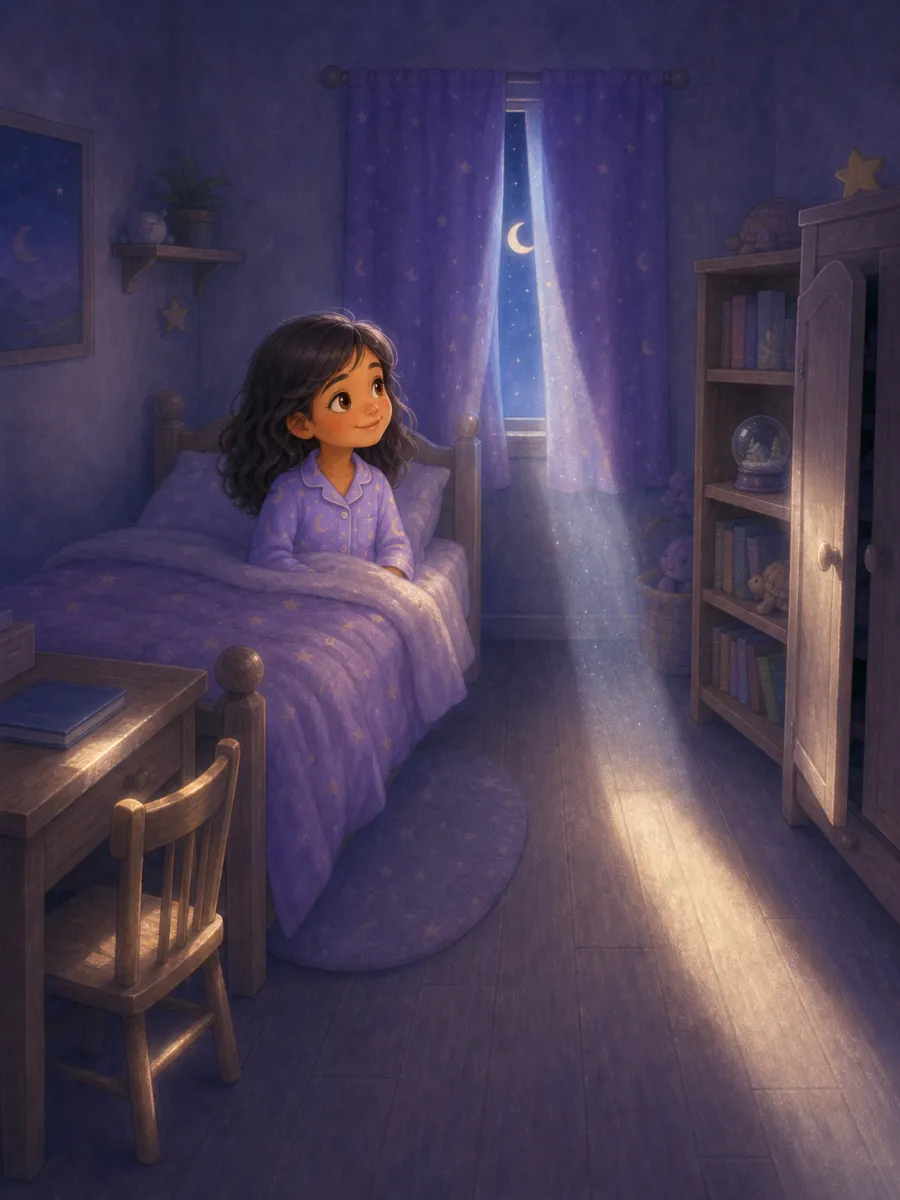
Watercolor Children's Book Illustration
Watercolor children's book illustration means art built from transparent washes on paper, where the paper shows through and edges stay soft. It is the classic picture-book medium, and searching for it mostly turns up finished books to admire or lessons in how to paint. This page is neither: it is the ten described watercolor styles ReadKidz can illustrate a complete book in, from a delicate ink-and-wash line to a heavy-grain minimal wash, with your characters held steady across every page.
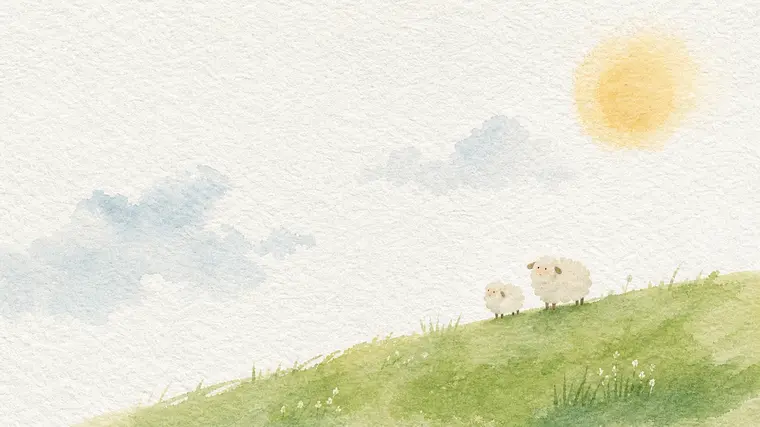
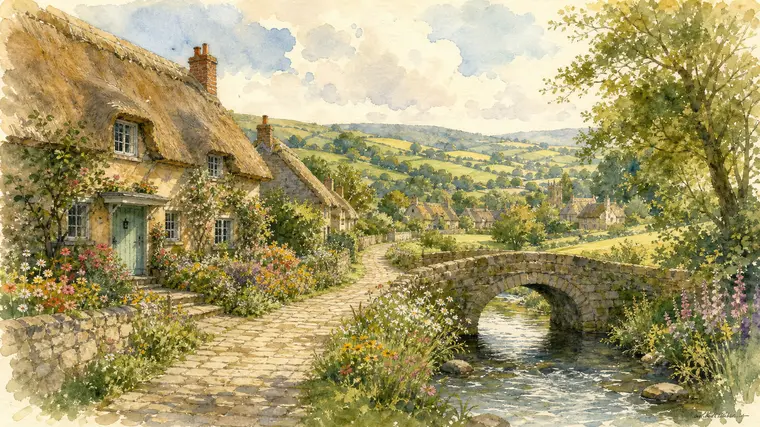
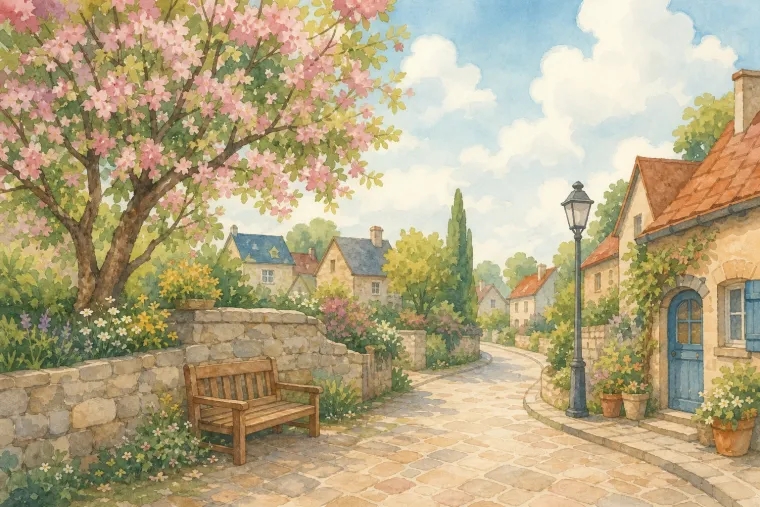
The ten watercolor styles
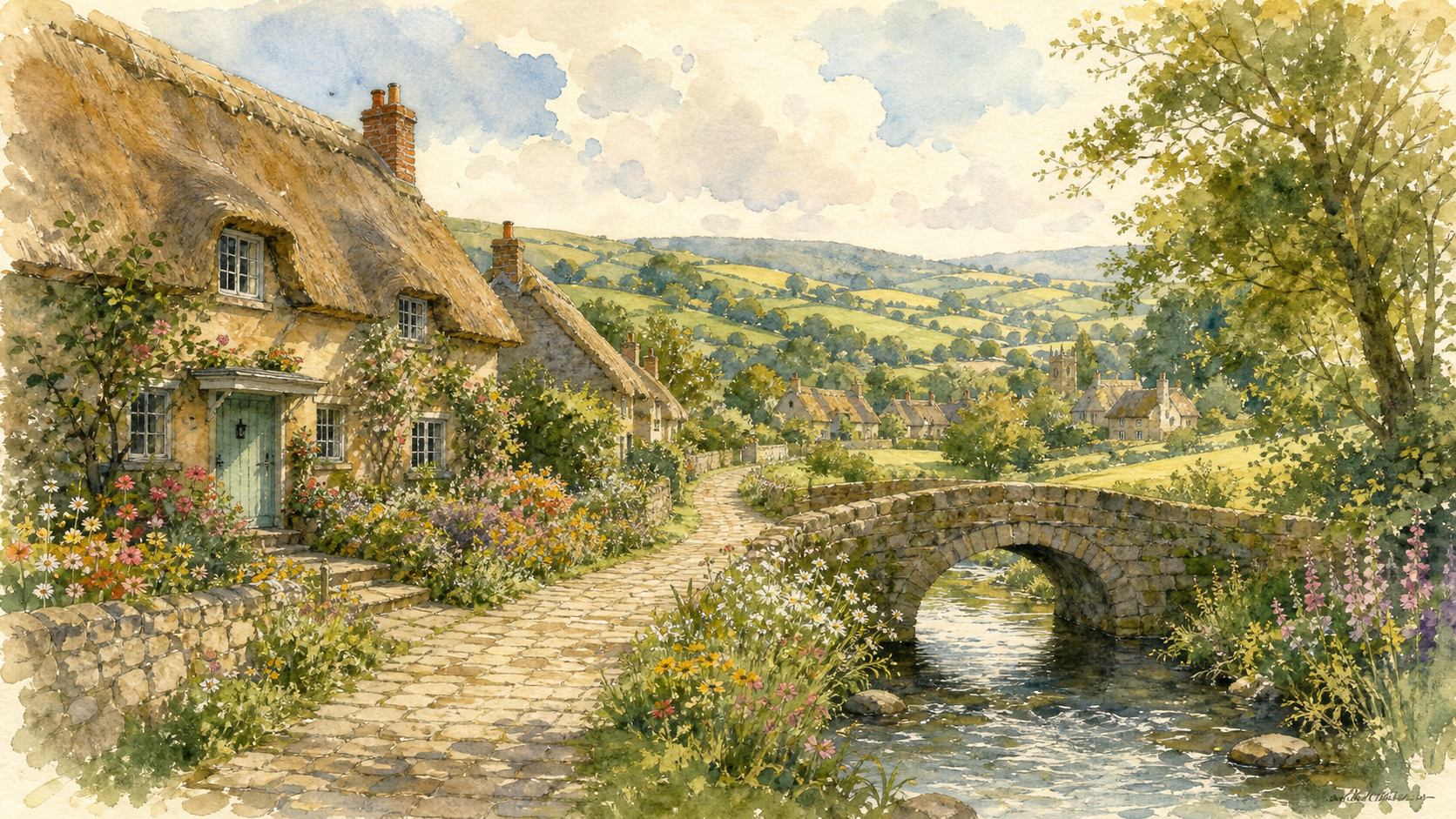
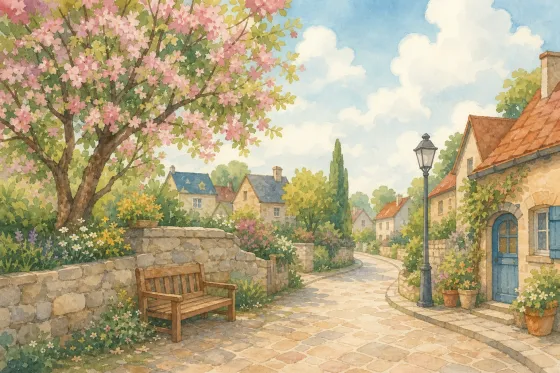
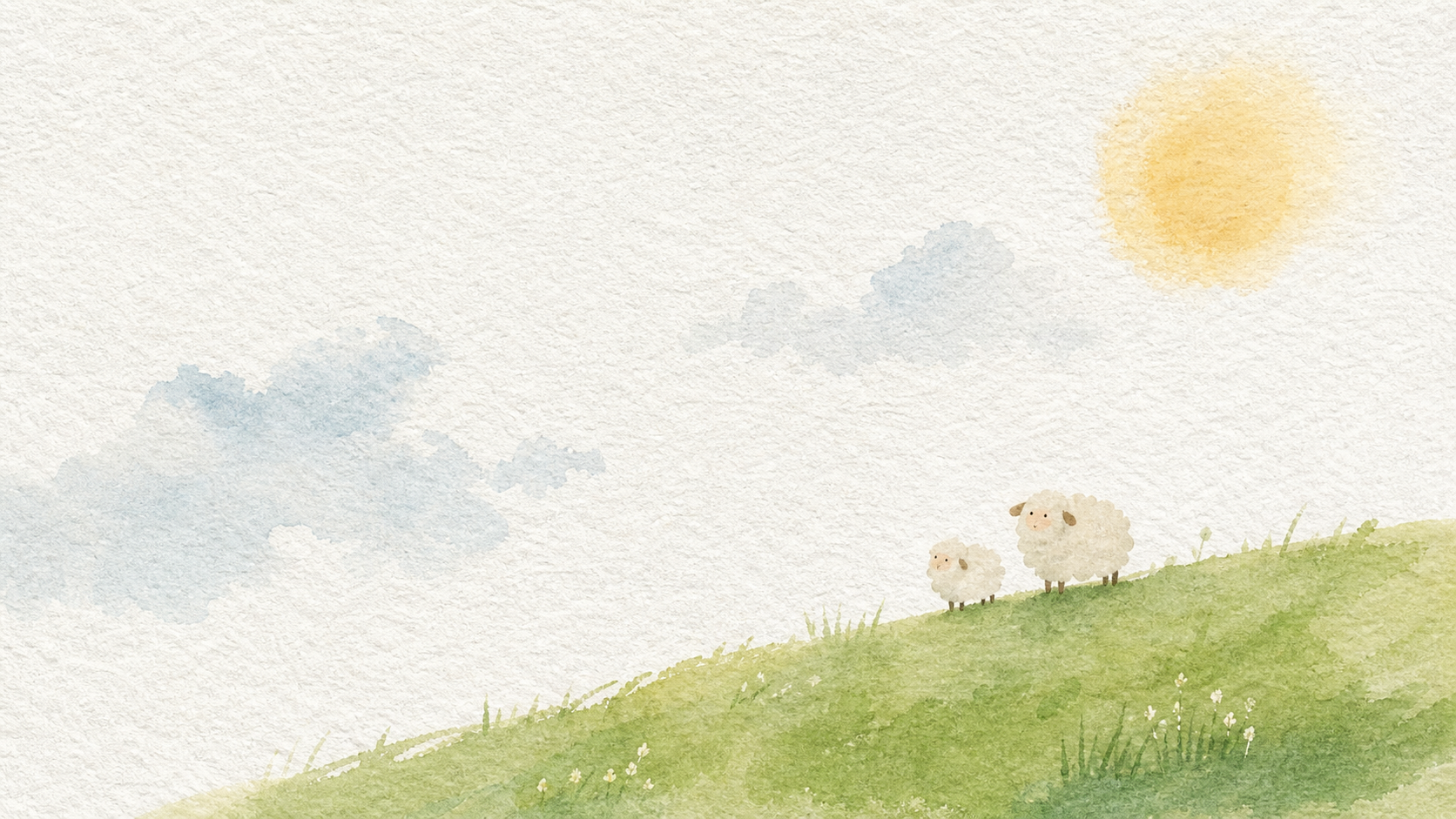
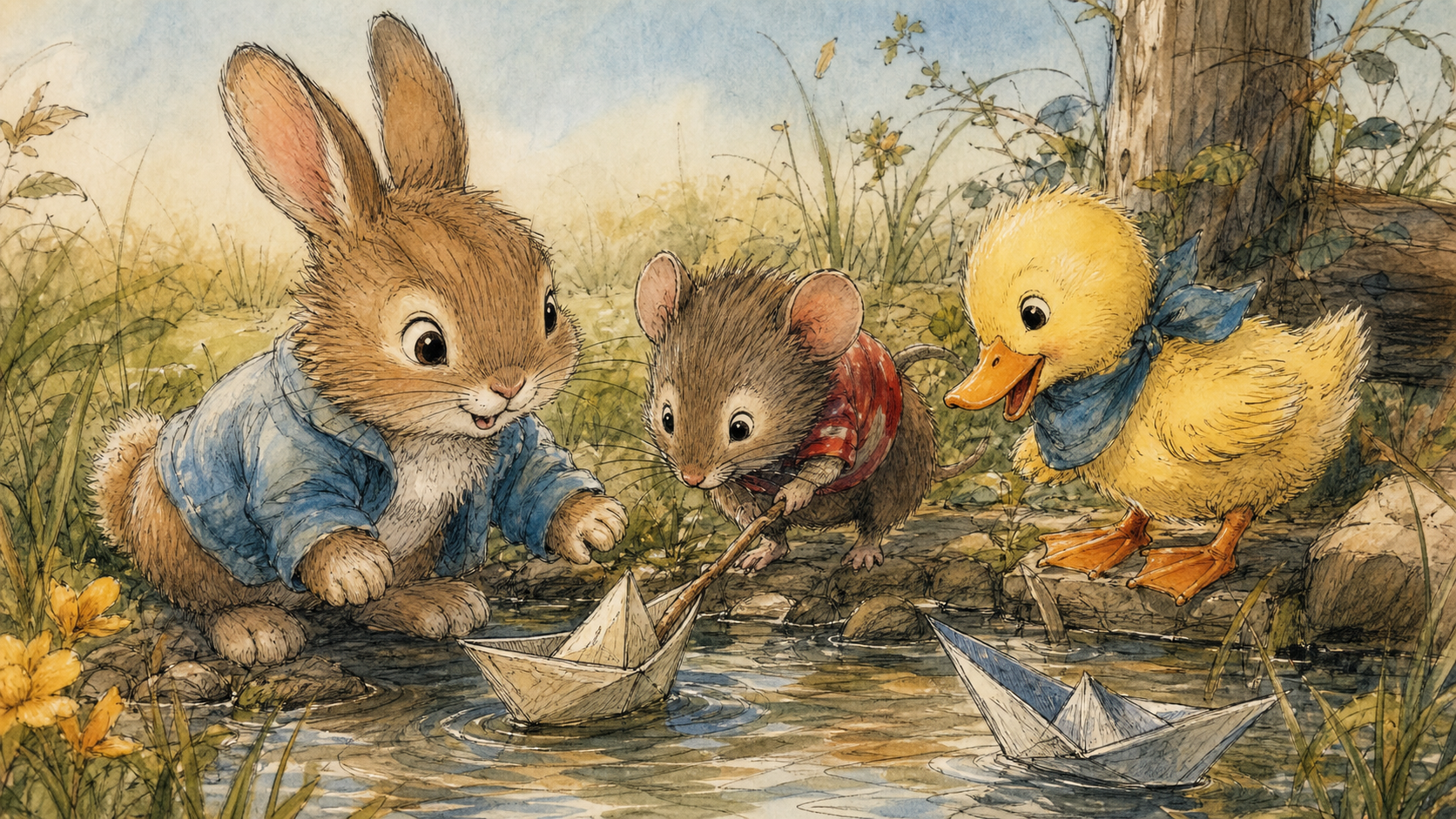
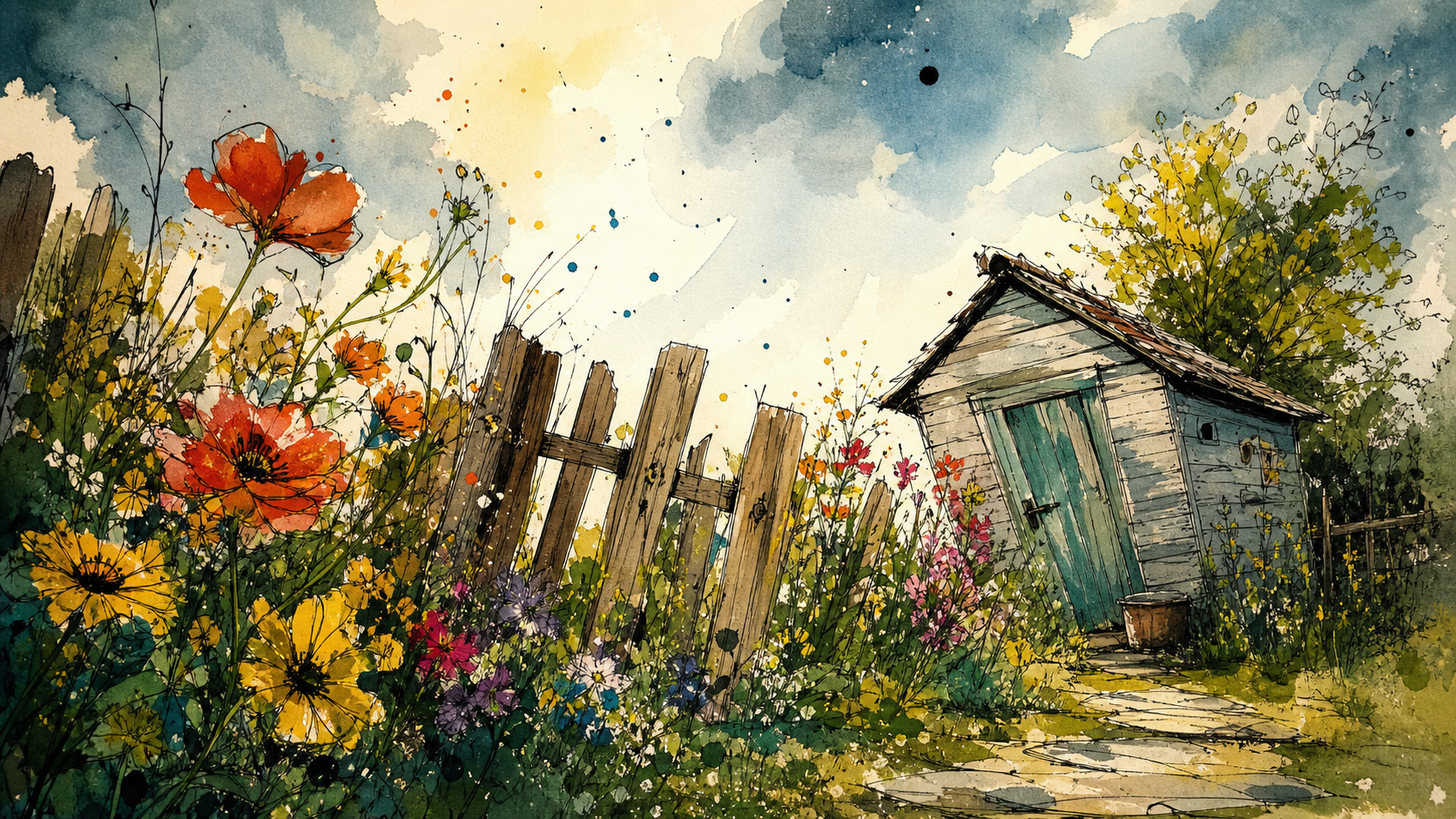

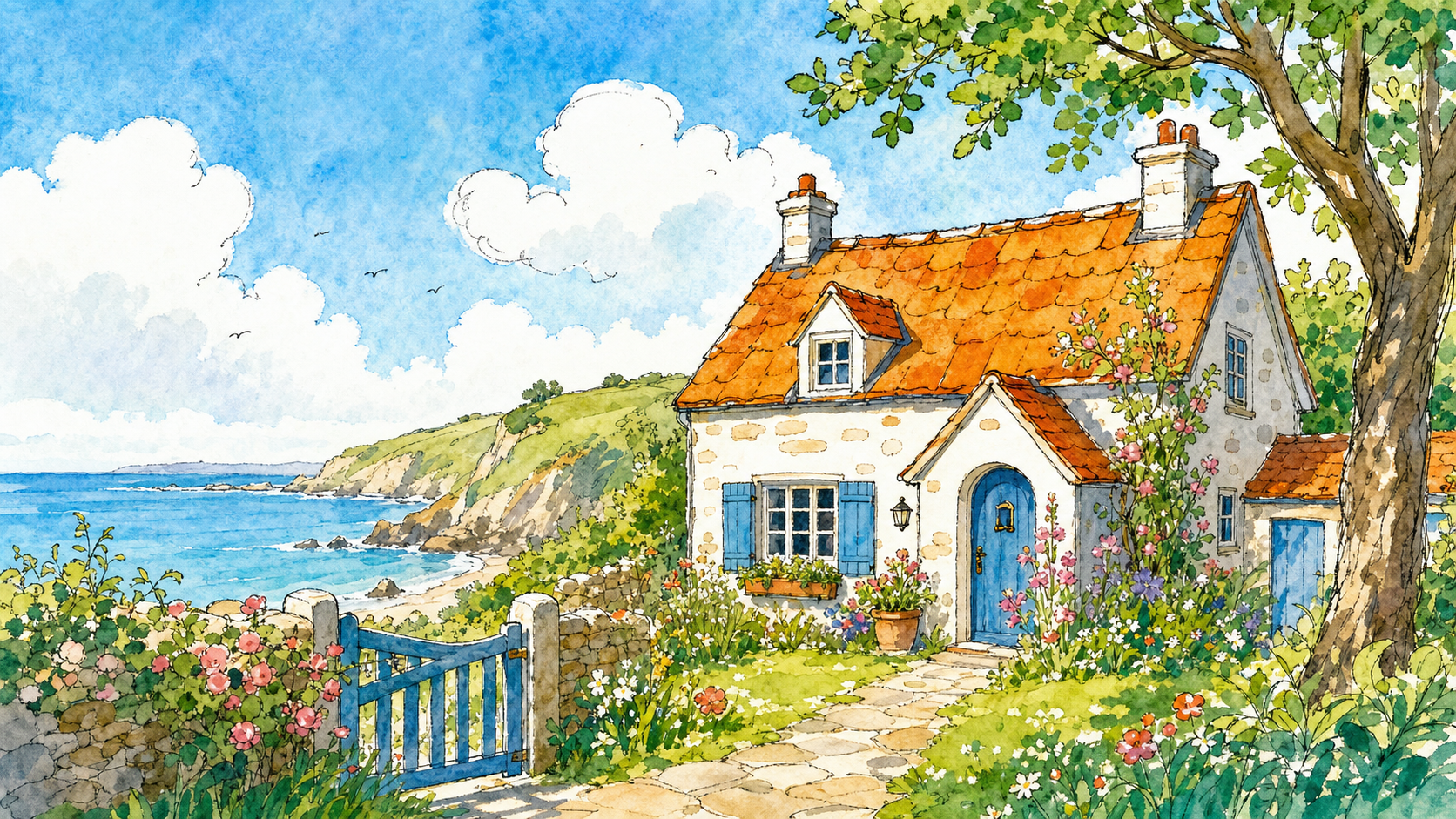
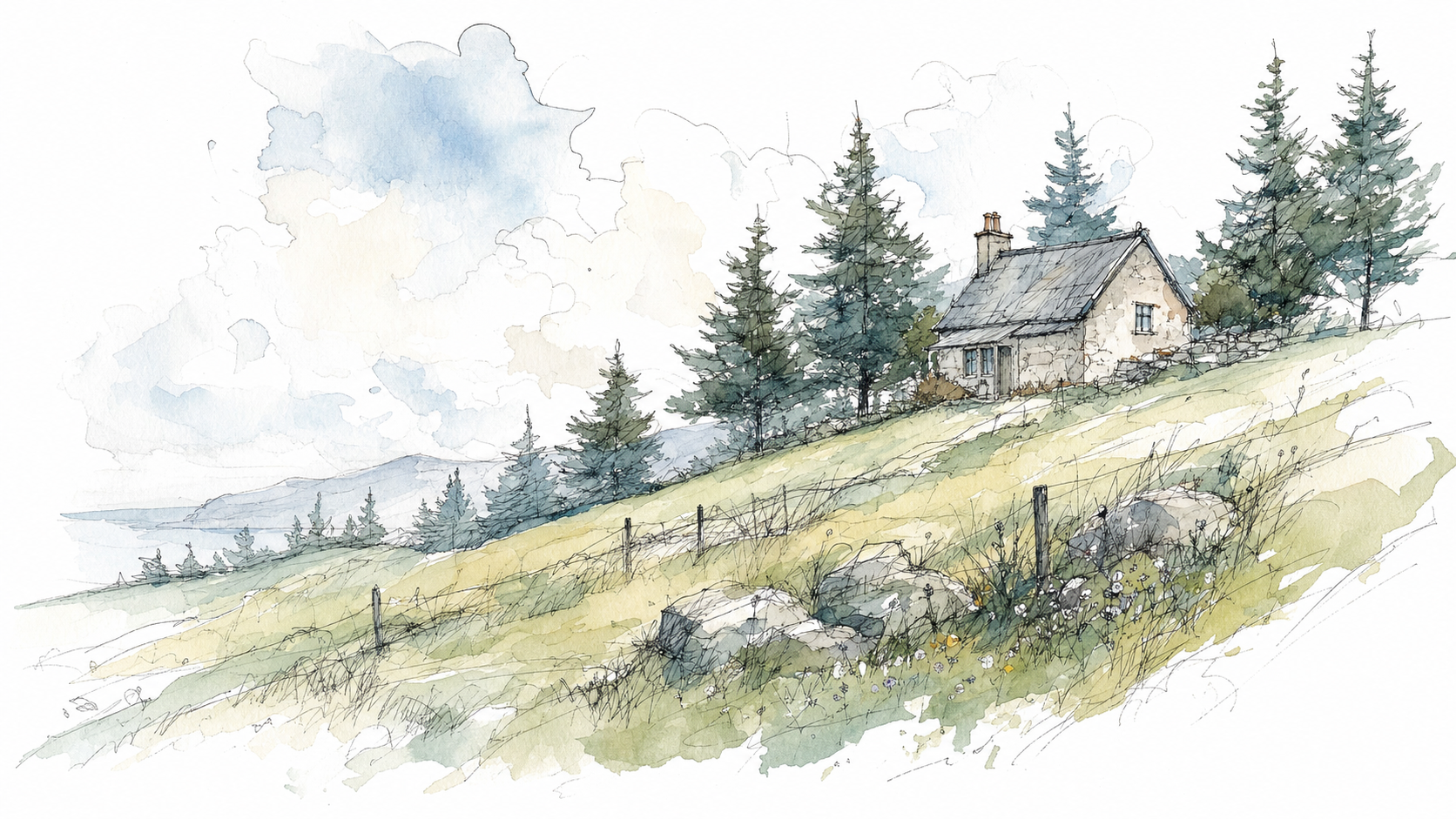
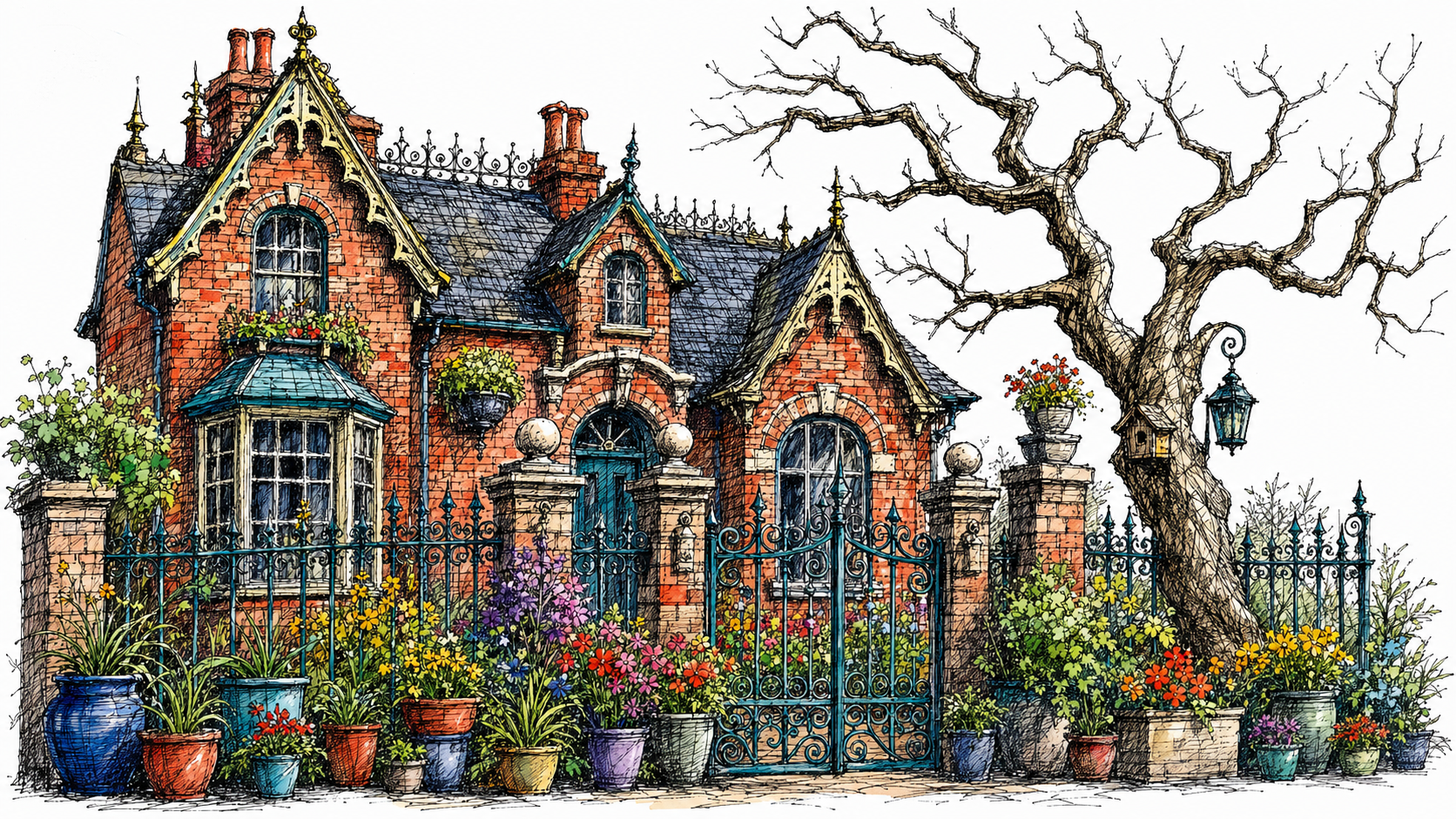
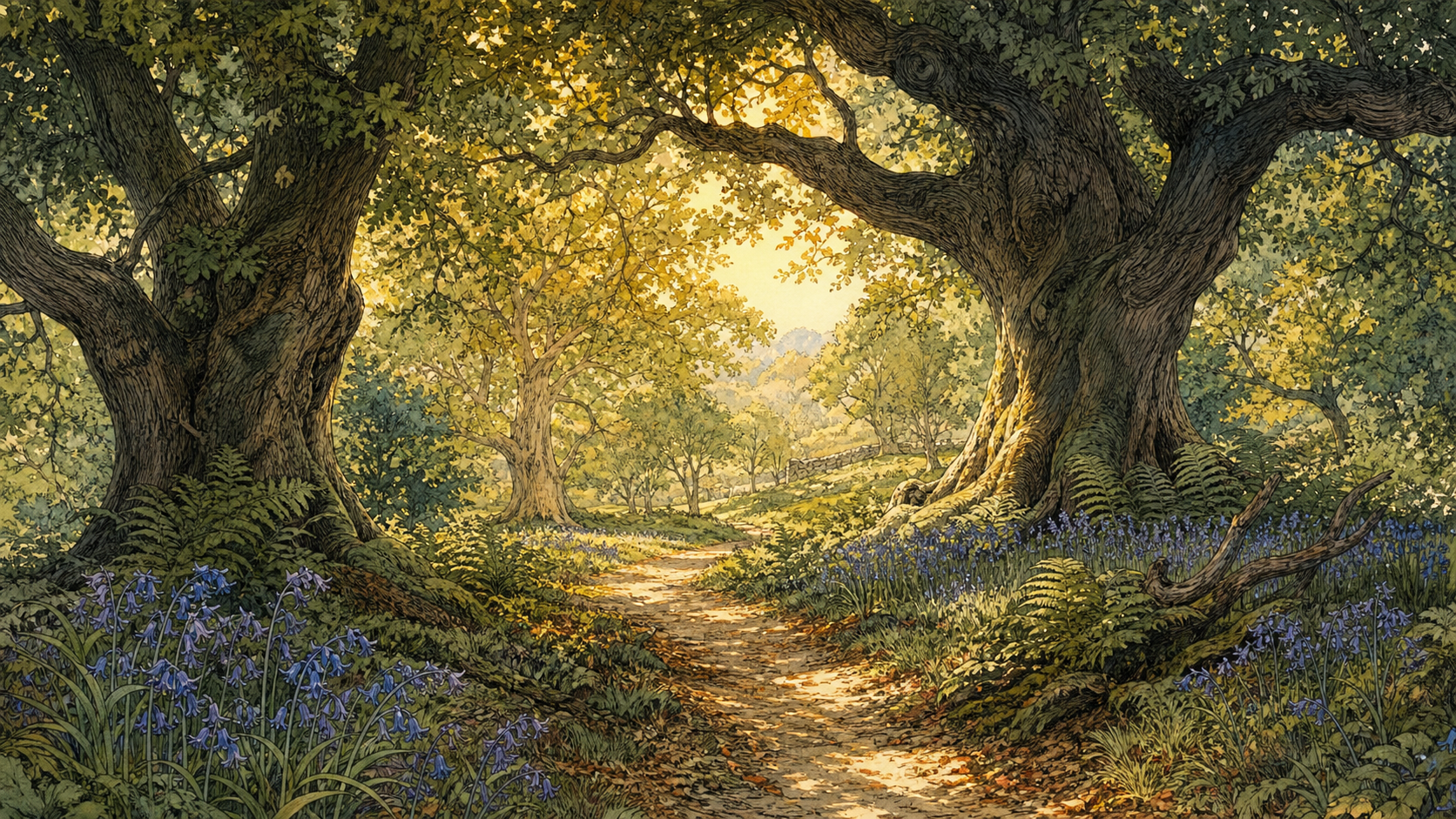
These are the live presets, not mood boards. They differ in the two things that actually change a watercolor page — how much ink line there is, and how wet the wash is left. The artwork beside each one is that style's own reference plate. Another 2 in this medium are available in the art-style tab and not pictured here: Fresh Watercolor Illustration, Dreamy Watercolor Style.
Finished books you can read now
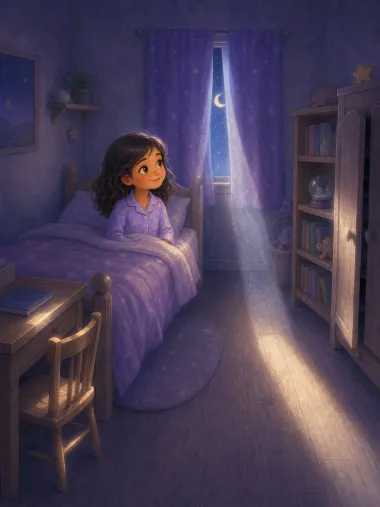
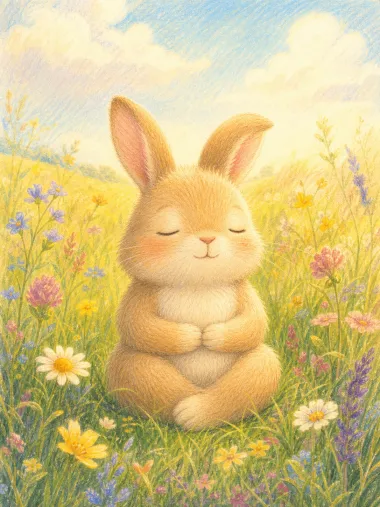
The Moon Kept One Little Light runs 10 pages for ages 3-7, Bramble the Bunny Slows Down is 8 pages for ages 3-6, and Milo and the Weather Inside is the longest of the three at 12 pages. Read any of them free, page by page. Browse all storybooks →

How it works
- 1Bring the story, not a reference photo
Describe the book in a sentence, or paste text you have already written and keep it word for word. Watercolor rewards stories with weather, water and quiet moments, so it is worth saying what the mood is as well as what happens.
- 2Choose how much line and how much wash
That is really the whole decision. A crisp pen line with loose colour reads lively and slightly comic; almost no line with soft washes reads calm and traditional; heavy paper grain with lots of empty space reads modern and spare. Each style shows its reference plate before you commit.
- 3One palette, one hand, every page
Each character is designed once and reused as the reference for the whole book, which is what stops watercolor drifting — the same coat colour, the same fur, the same face on page twelve as on page one. Any single page can be repainted without touching the others.
Is watercolor the right choice here?
- Styles in this medium
- Ten described styles, from delicate sketch-and-wash to minimal high-grain washes, plus two more in the art-style tab
- What it does well
- Weather, water, gardens, animals, bedtime and anything that should feel unhurried
- What it does less well
- Hard-edged machinery, neon palettes and busy action — the flat and cartoon mediums carry those better
- Reading age
- Comfortable from roughly five upward; for toddlers a bolder outline usually holds attention better
- In print
- Washes and paper grain generally print richer than they look on a phone; exports are PDFs (watermark-free when included in your plan or purchased product)
- Style naming
- Described by technique only — no studio, franchise or living illustrator is offered as a watercolor style
The styles and their descriptions are read out of the ReadKidz catalog by a sync script, so this page cannot advertise a watercolor style that has been retired from the picker.
Frequently asked questions
How many watercolor styles are there, and how do they differ?
Ten are described and pictured on this page, and two more sit in the art-style tab without catalog descriptions, so they are named rather than shown. The useful way to tell the described ones apart is line and wetness: some keep a visible pen or pencil line and let colour sit loosely inside it, some drop the line almost entirely and work in soft washes, and a few lean on rough paper texture with a lot of white space left alone. Palette differs too — warm sunlit greens at one end, muted sepia at the other.
Is this real watercolor or a filter over a drawing?
Neither, and it is worth being straight about it. These are digital illustrations generated to render the watercolor idiom — transparent layered colour, soft edges, visible paper — not scans of paint on paper and not a wash effect applied over line art afterwards. They are made in the medium's language rather than photographed from it.
Will the same character look the same in every watercolor page?
Yes. The character is designed once and that design is the reference every page is drawn from, so the loose edges of watercolor do not turn into a different child each spread. Losing character consistency is the usual failure of illustrating with a general-purpose image tool; here it is the default behaviour.
Can I use a story I have already written?
Yes. Paste your text and it can be kept word for word, split into pages, and illustrated page by page. The words stay yours; only the pictures are generated.
Does watercolor hold up for print and self-publishing?
It generally does better in print than on screen, because paper stock flatters soft edges and paper grain. Export is a PDF (watermark-free when included in your plan or purchased product) you can send to a printer or use for self-publishing. If you have picked one of the very light, high-grain styles, check a page at full size before ordering a run — that is the one case where the delicacy can read as thin.
Which watercolor style should I choose for a bedtime book?
The softer end: little or no visible line, gentle washes, a warm limited palette. Save the crisp-ink, bright-wash styles for daytime and comedy — the same story reads noticeably busier in them, which is the opposite of what a bedtime book is for.
Who owns the illustrations?
You do. Under the ReadKidz Terms of Service the work you create is assigned to you and watermark-free export is available when included in your plan or purchased product, so you can read it at home, give it away, self-publish it, or sell it.
See your story in watercolor
Describe the book you want. Pick the watercolor style once the story exists, look at its reference art, and check the cost before anything is charged.