Children's Book Illustration Styles
Children's book illustration styles are the mediums a picture book can be drawn in — watercolor, crayon and oil pastel, cut paper and collage, pencil and sketch, gouache, felt and yarn, flat and minimal, and cartoon. Most articles about them describe a look and show a borrowed example. This page lists fifty styles that exist as working presets in ReadKidz: pick one and a whole story is illustrated in it, with the same characters on every page.
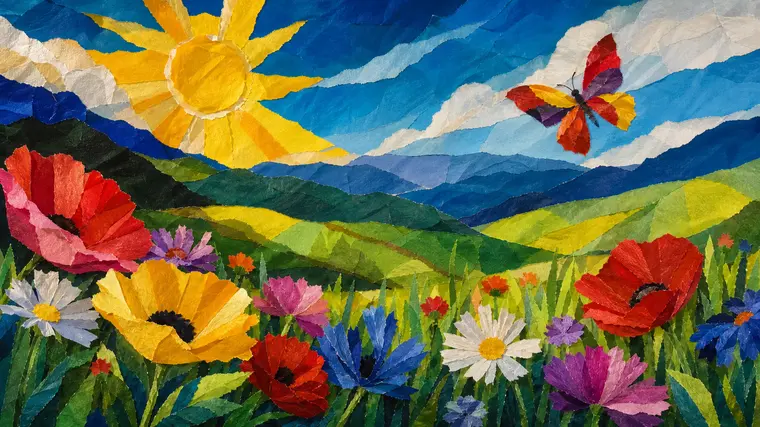
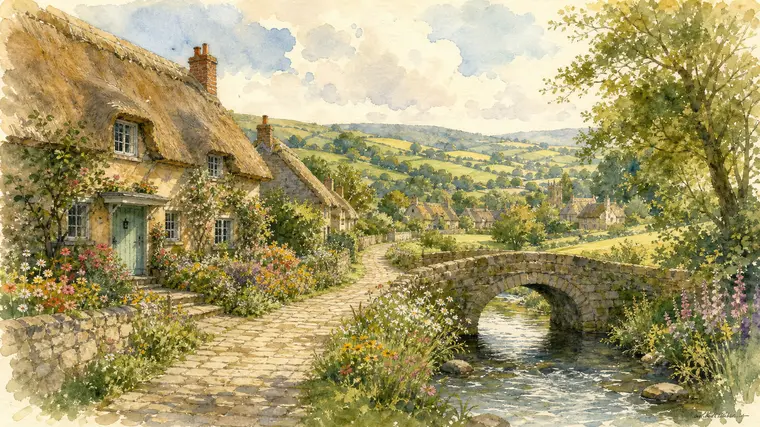
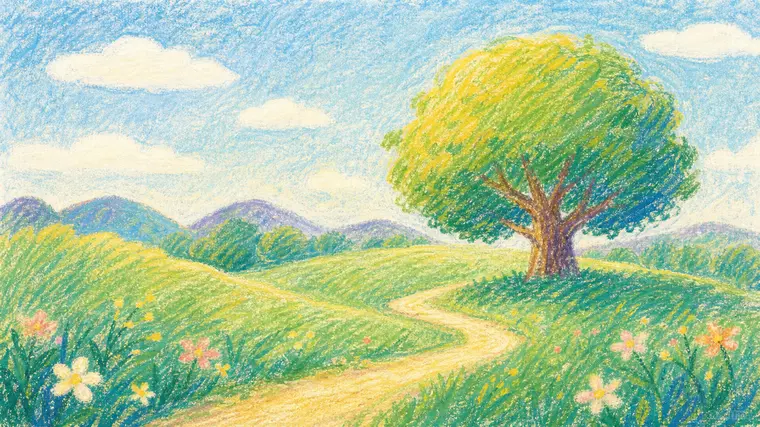
Eight mediums, fifty styles
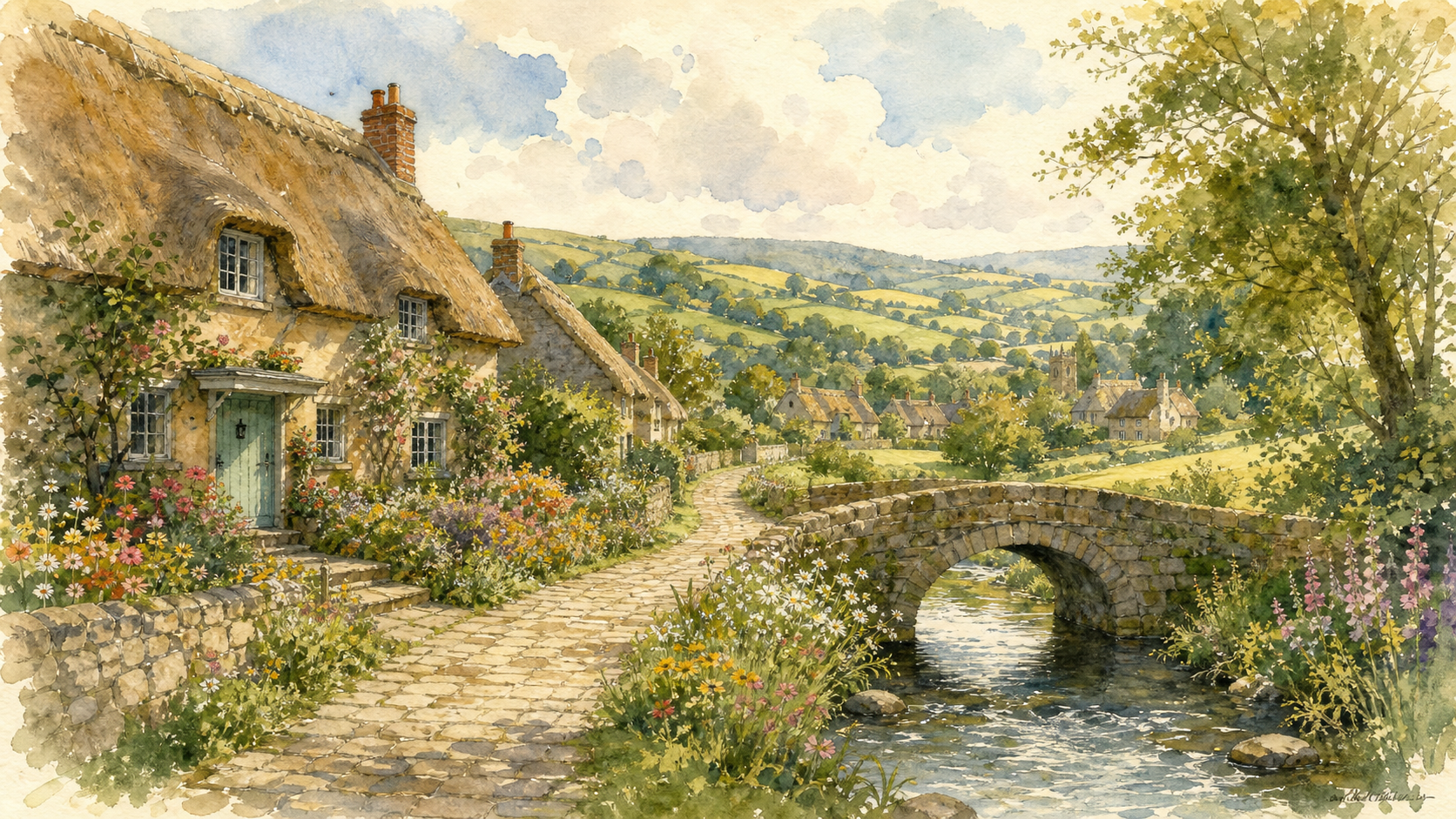
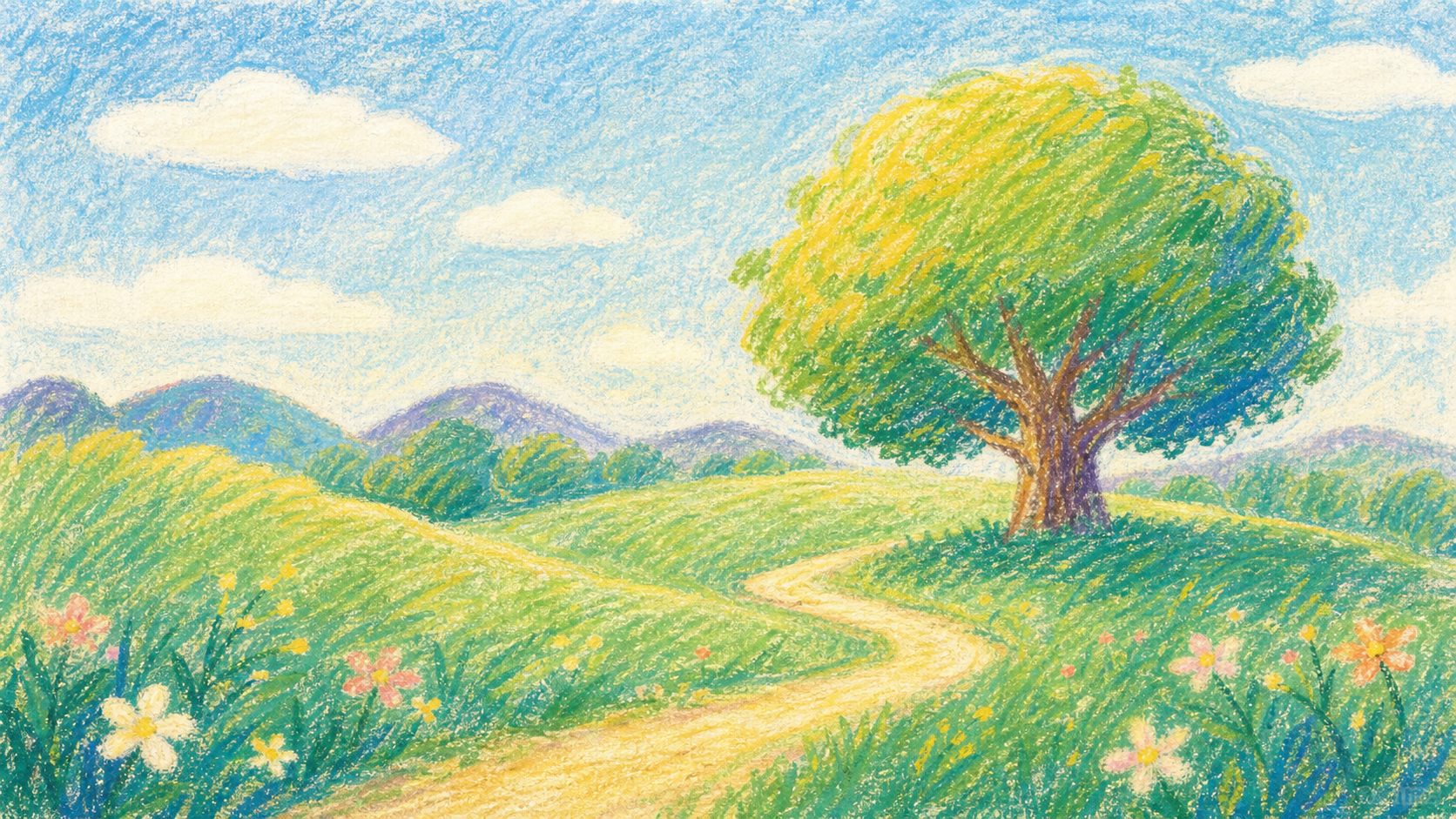
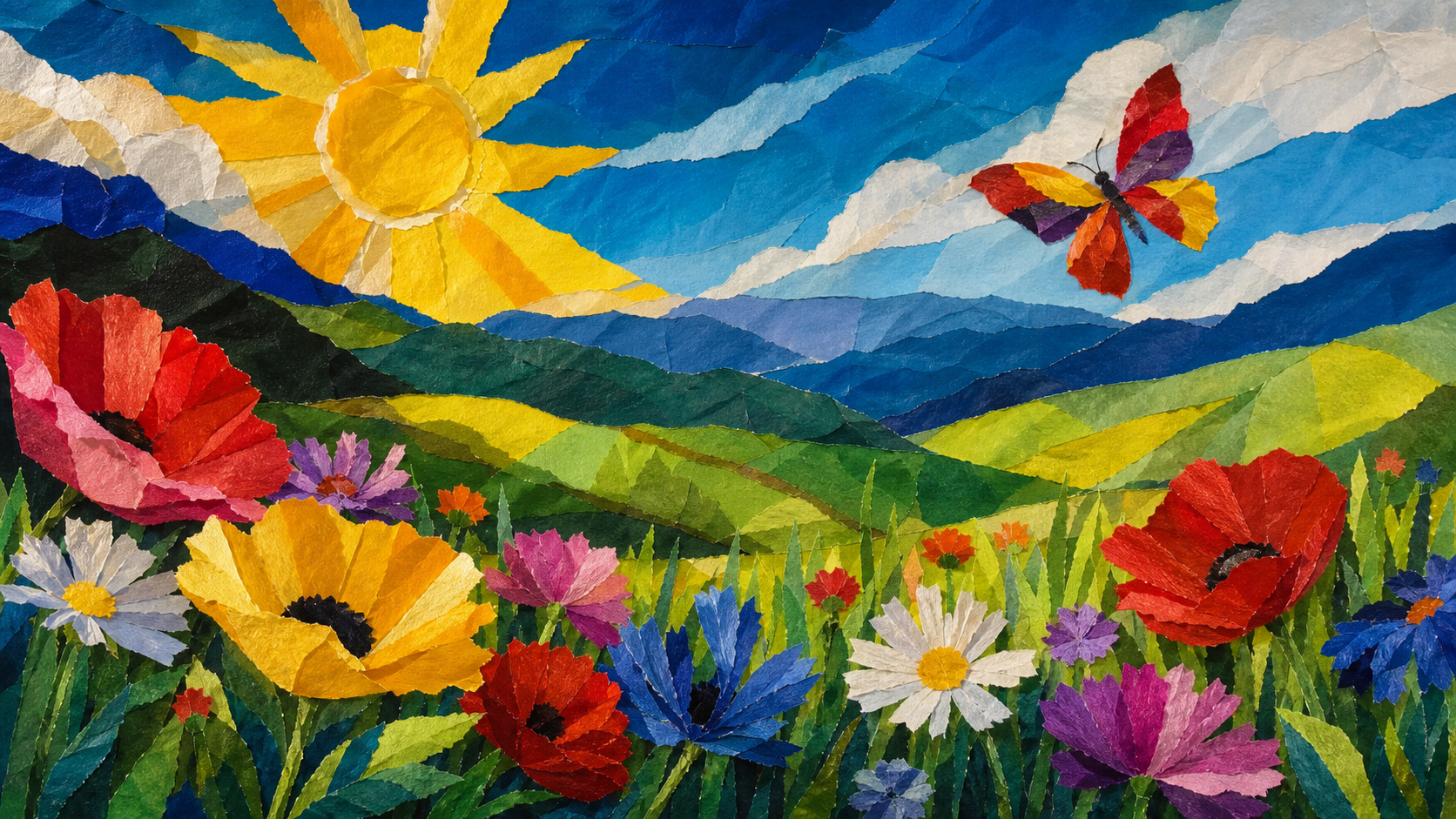
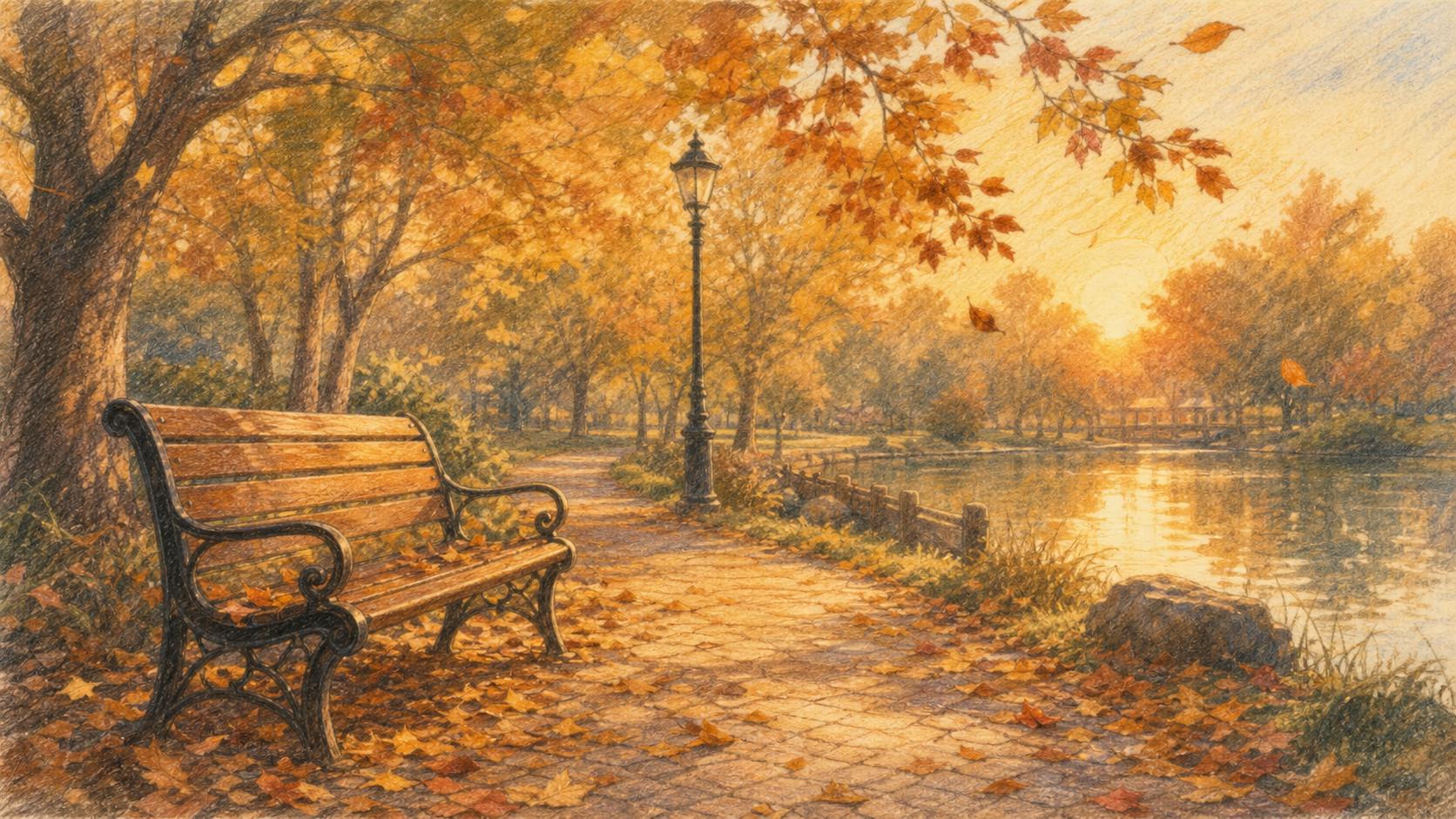
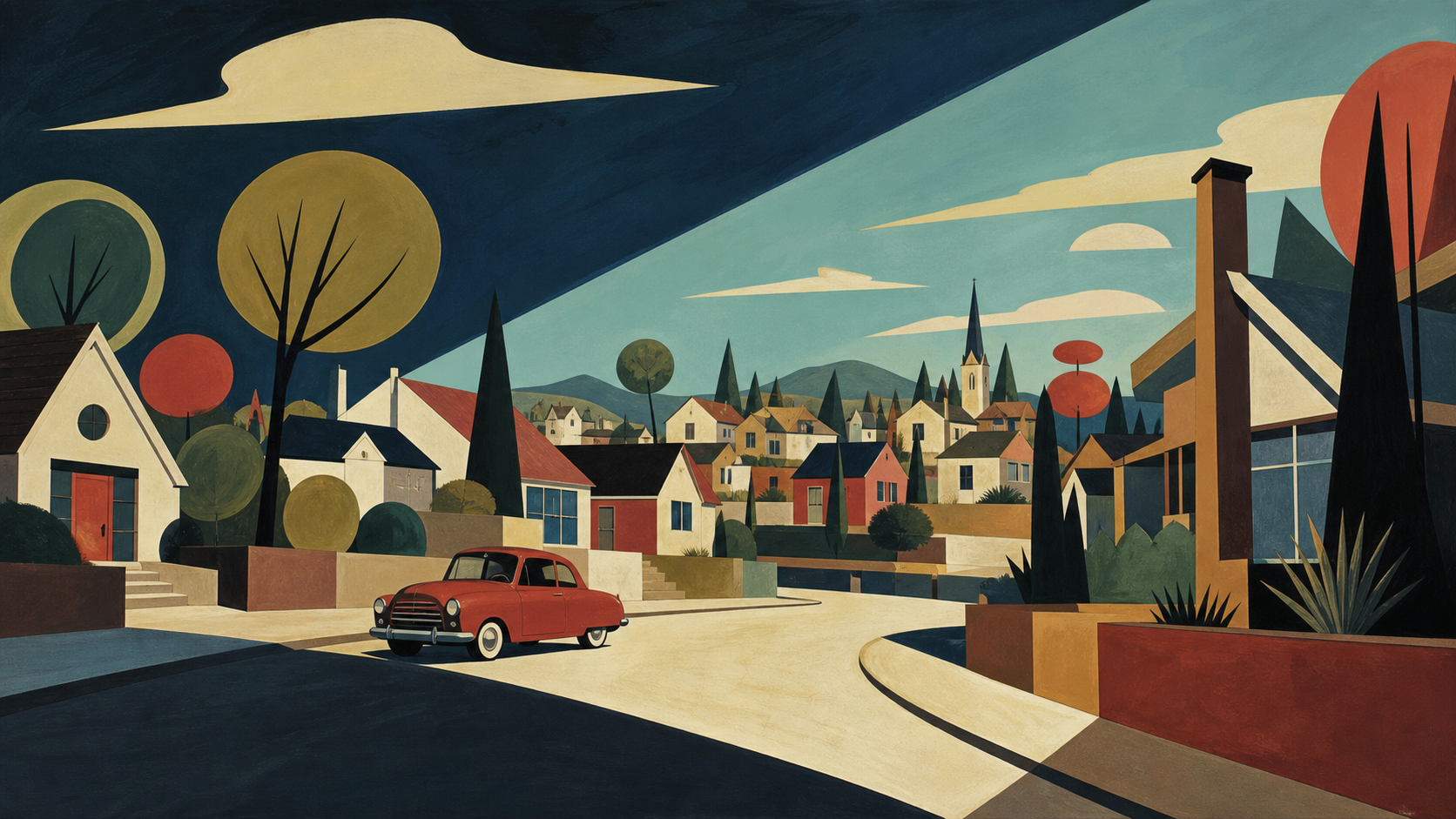
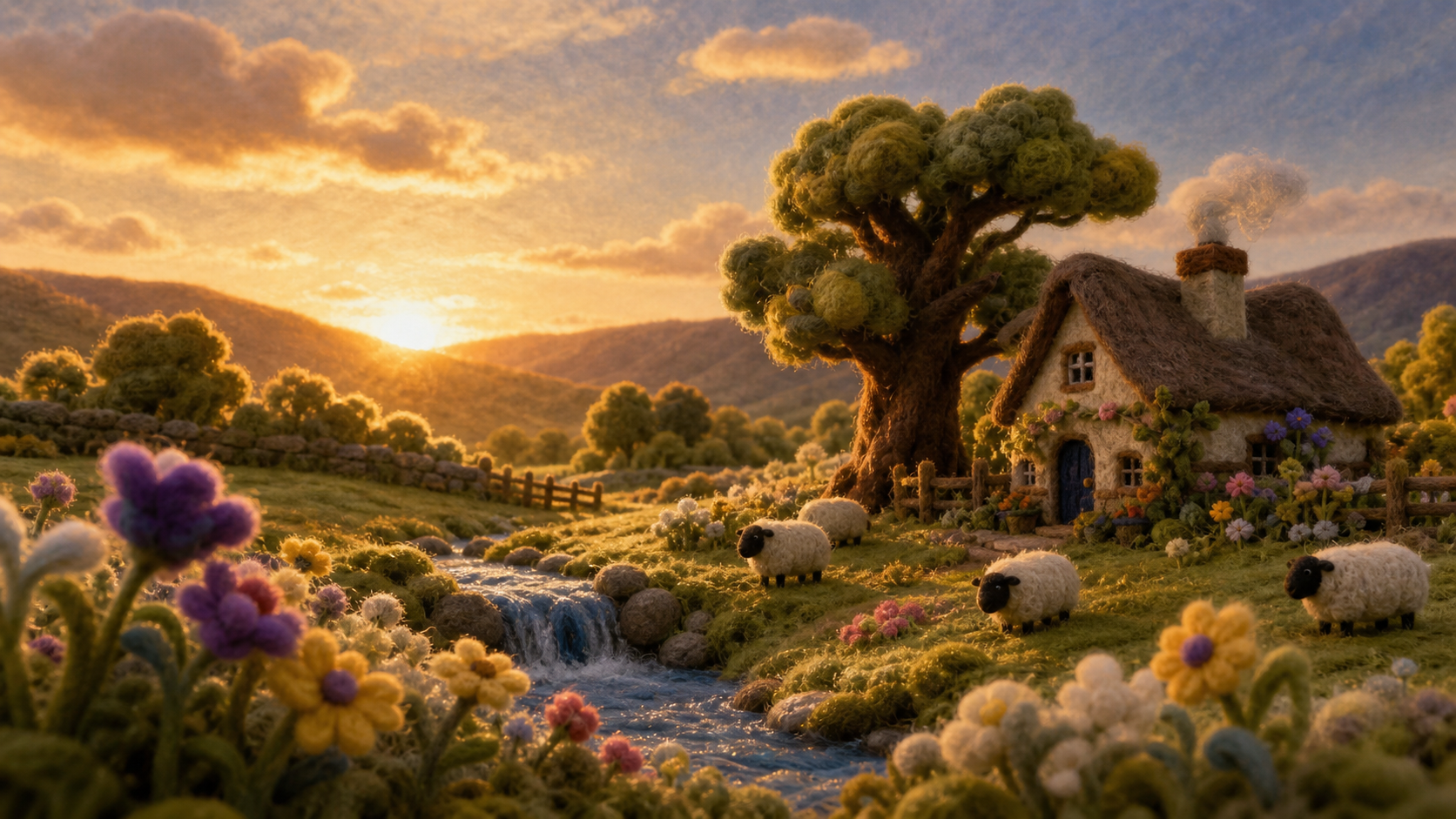

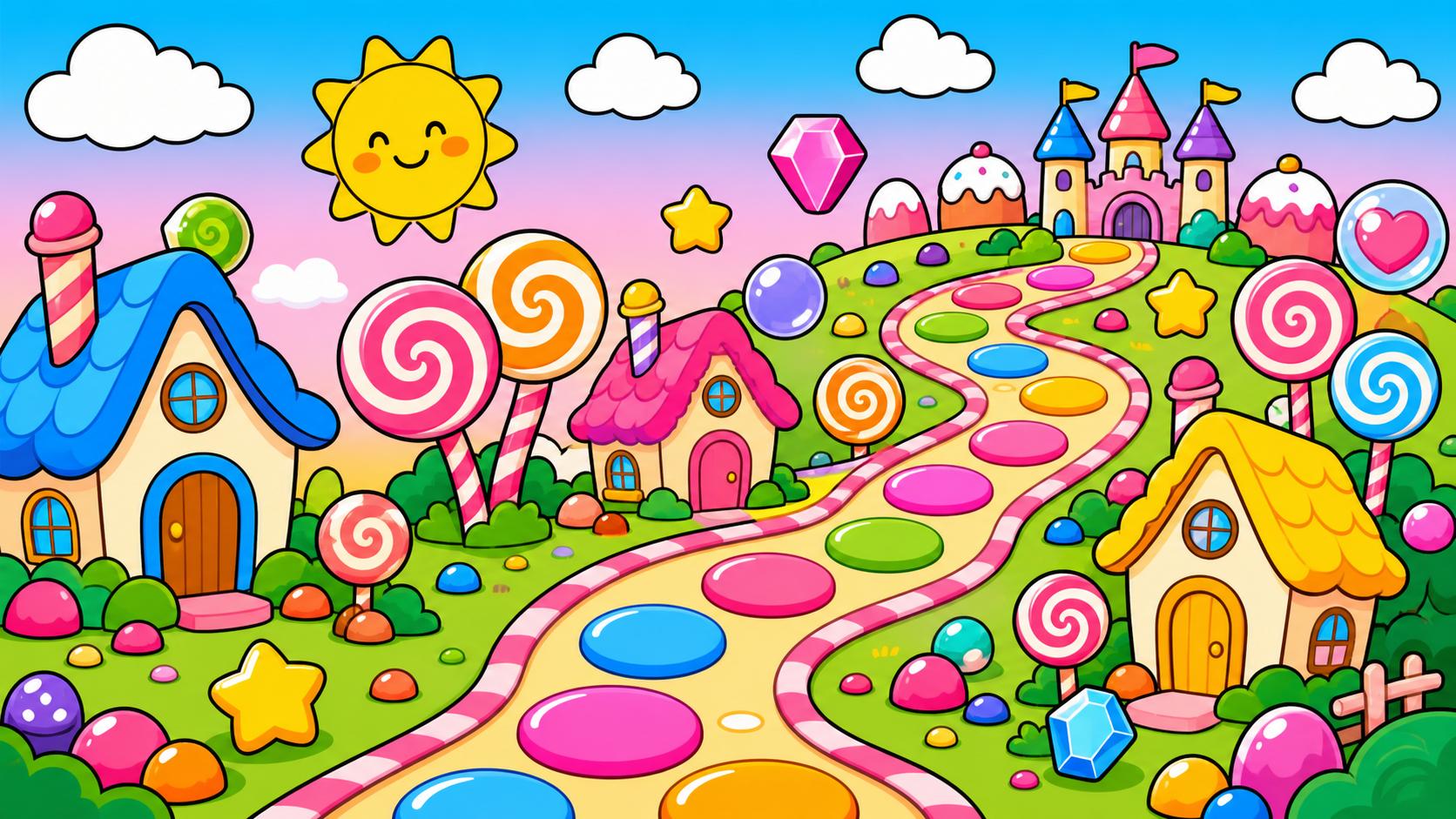
Every card is a medium in the ReadKidz style catalog, and the count next to it is how many distinct styles that medium currently holds. The artwork is the style's own reference plate — not a stock photo of somebody else's book.
What a finished book looks like
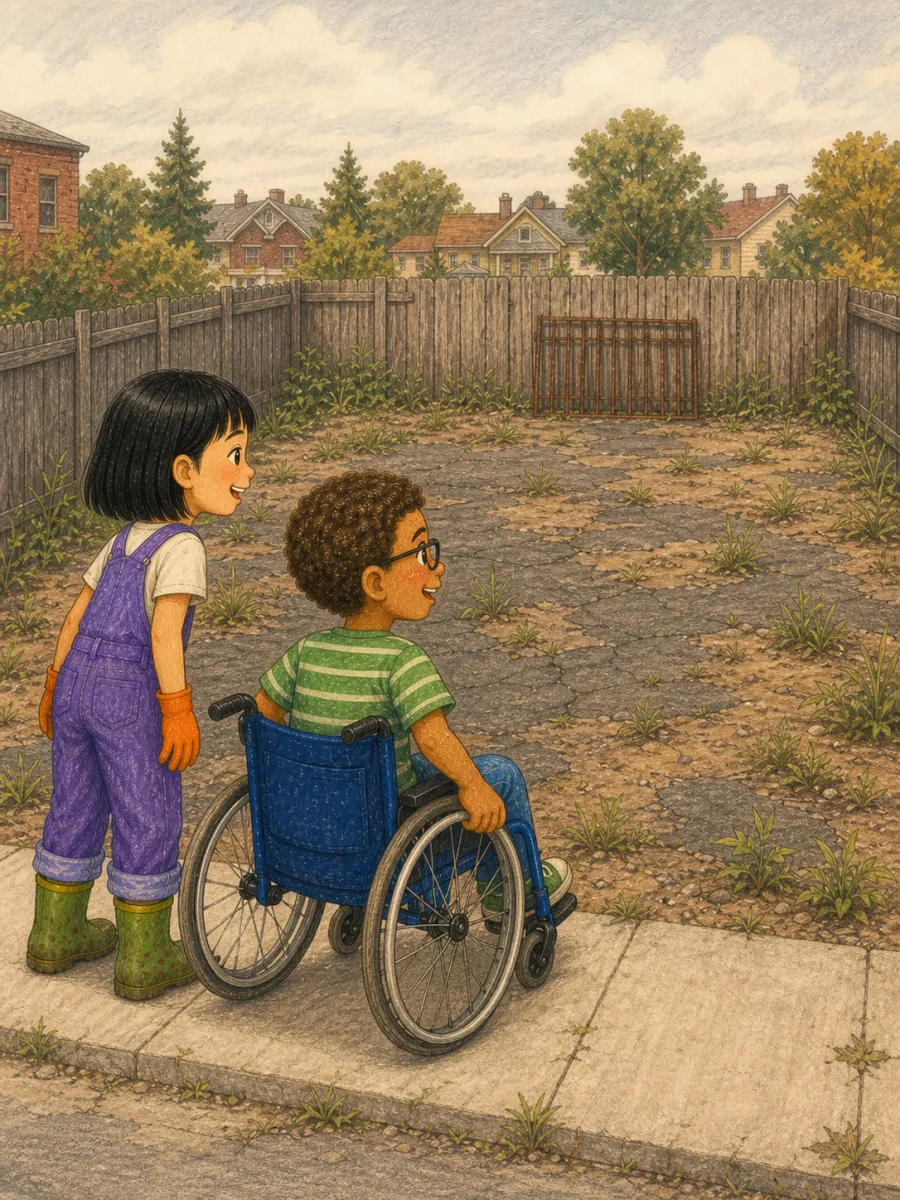
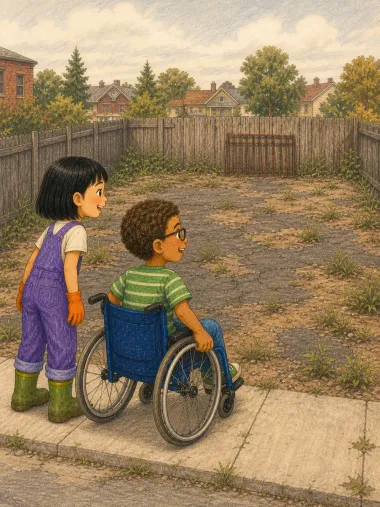
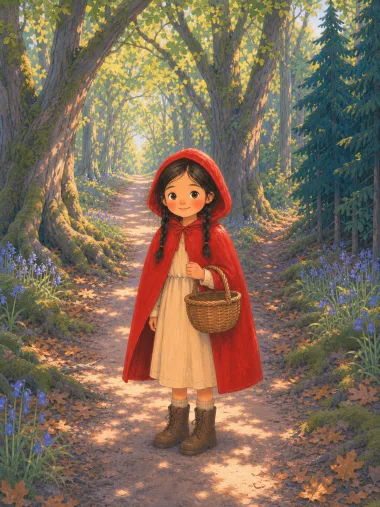
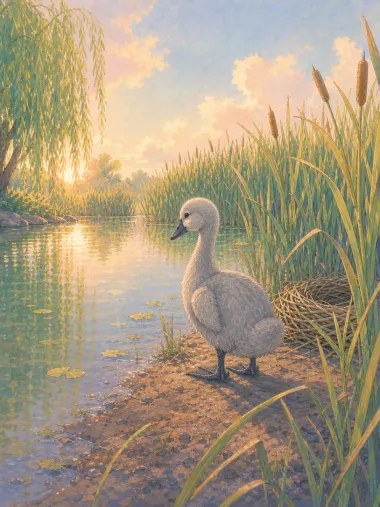
Whichever medium you pick, this is the object you end up with. Our Many Ways to Make a Garden is 10 pages for ages 4-8, and the two retellings beside it run 10 pages each — free to read start to finish, no preview cut-off. Browse all storybooks →
How it works
- 1Write the story before you choose the look
The style question is easier to answer once there is a story to look at. Describe the book you want in a sentence and let the text come back as real pages; the illustration choice comes after, when you can see what the pages have to carry.
- 2Choose one medium, then one style inside it
Eight mediums narrow the field fast — a lot of the decision is really "paint or paper or pencil". Inside a medium the styles differ in line weight, wash, texture and palette, and each one shows you its own reference art before you commit.
- 3One style, held across every page
Each character is designed once and reused as the reference for every illustration, so the chosen style stays recognisable from the cover to the last page. Any single picture can be redrawn without redoing the rest of the book.
What this page is claiming, exactly
- Mediums
- Eight: watercolor · crayon and oil pastel · cut paper and collage · pencil and sketch · gouache · felt, yarn and wood · flat and minimal · cartoon
- Styles grouped here
- Forty-nine described presets are pictured here; twenty more are live in the art-style tab but carry no catalog description, so they are not shown
- When you choose
- After the story is written, before any page is illustrated
- Consistency
- Characters are designed once and reused, which is what keeps one style across a whole book
- Changing your mind
- Individual pictures can be redrawn without starting the book over
- Style naming
- Styles are named by medium and technique — no studio, franchise or living illustrator is offered as a style
The style count is read from the ReadKidz catalog by a sync script rather than typed into this page, so a style that gets retired leaves this list at the next sync instead of lingering as a promise.
Frequently asked questions
How many illustration styles are there?
Forty-nine are described and pictured here, grouped into eight mediums. Twenty more are live in the art-style tab but have no description in the catalog, so this page names them on the relevant medium page rather than showing an unlabelled card. Every number is generated from the catalog itself, not typed in, so it matches what you will actually find in the style picker.
Which style suits which age?
For the youngest readers, thicker outlines, flatter colour and fewer objects per page hold attention better — the cartoon, flat and crayon mediums do that naturally. Around five to eight, watercolor, gouache and collage can carry more detail and mood without becoming busy. Older readers tolerate pencil, ink wash and sepia, which read as quieter and more grown-up. None of this is a rule; look at the reference art and pick what fits the story you have.
Do the characters stay the same when the book is illustrated in one style?
Yes, and that is the part generic image tools get wrong. Each character is designed once and that single design becomes the reference for every page, so the same child, the same coat and the same dog appear throughout instead of drifting from page to page.
Can I change the style after the pages are drawn?
You can redraw any individual picture without redoing the rest of the book, which is usually what people actually want — one page that did not come out right. Reworking a finished book into a completely different medium means running the illustration pass again rather than flipping a switch, so it is worth looking at the reference art before you commit.
Do these styles work in print?
The book exports as a PDF you can read on screen, send to a printer, or use for self-publishing, and watermark-free export is available when included in your plan or purchased product. Mediums with heavy texture — collage, felt, gouache — tend to look richer in print than on a phone screen, and very fine pencil work is the one to check at full size before ordering a run.
Are any of these styles imitations of a particular illustrator or studio?
No. Every style on this page is named and described by its medium and technique — washes, torn paper, wool felt, flat vector, cel shading — and none is offered or advertised as a named studio, franchise or living illustrator's style. If you are publishing commercially that distinction matters, which is why the styles are described this way rather than by comparison.
Is it free to try a style?
You can start free and the cost of a generation is shown before anything is charged, so you can look at a style's reference art, run a book, and see what it costs before committing. Pricing details are on the pricing page rather than restated here, where they would go stale.
Pick a style and see your story in it
Describe the book you want. Choose the medium after the story is written, look at the reference art, and check the cost before anything is charged.