


Make an Ugly Duckling Story for Kids
The Ugly Duckling is not really a story about a swan — it is a story about a long stretch of being the wrong shape in the wrong pond. Readkidz writes and illustrates a complete retelling where you decide how long that stretch lasts and how much of the unkindness stays, so the ending arrives as relief rather than as a shortcut.
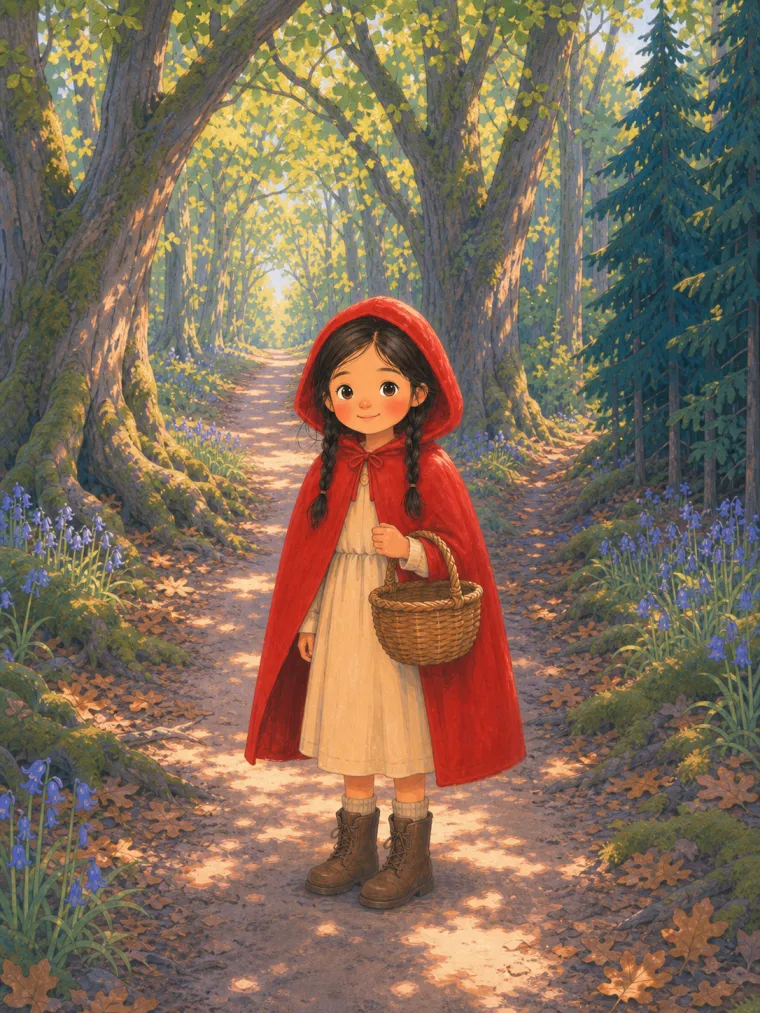
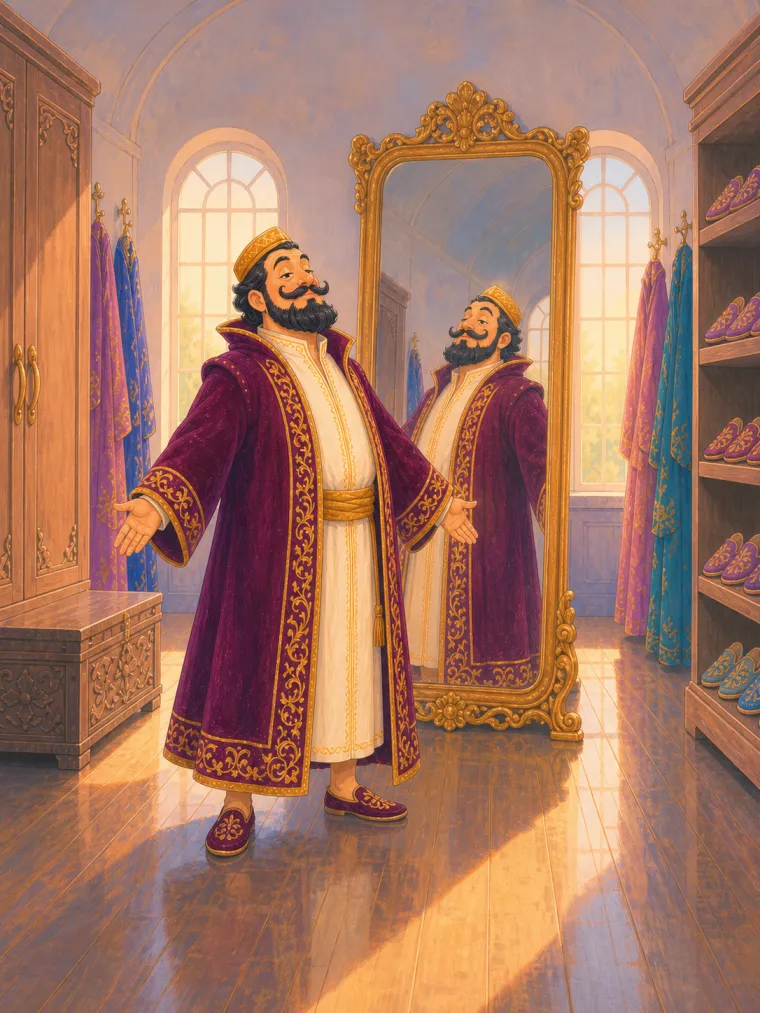
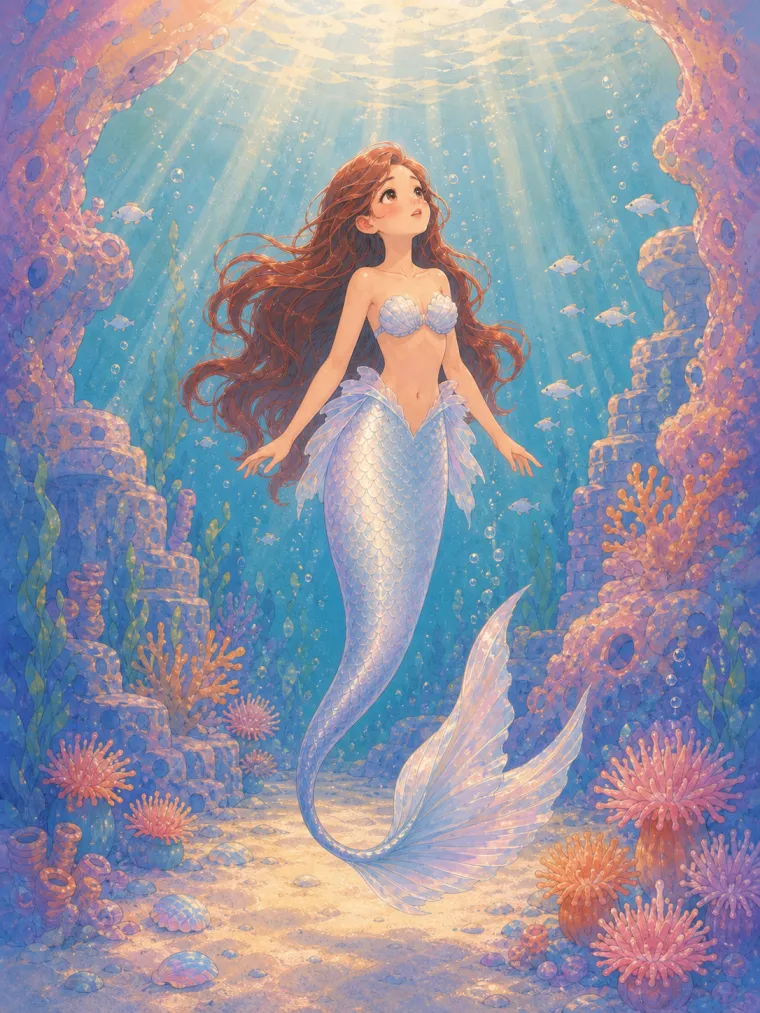
Made with Readkidz
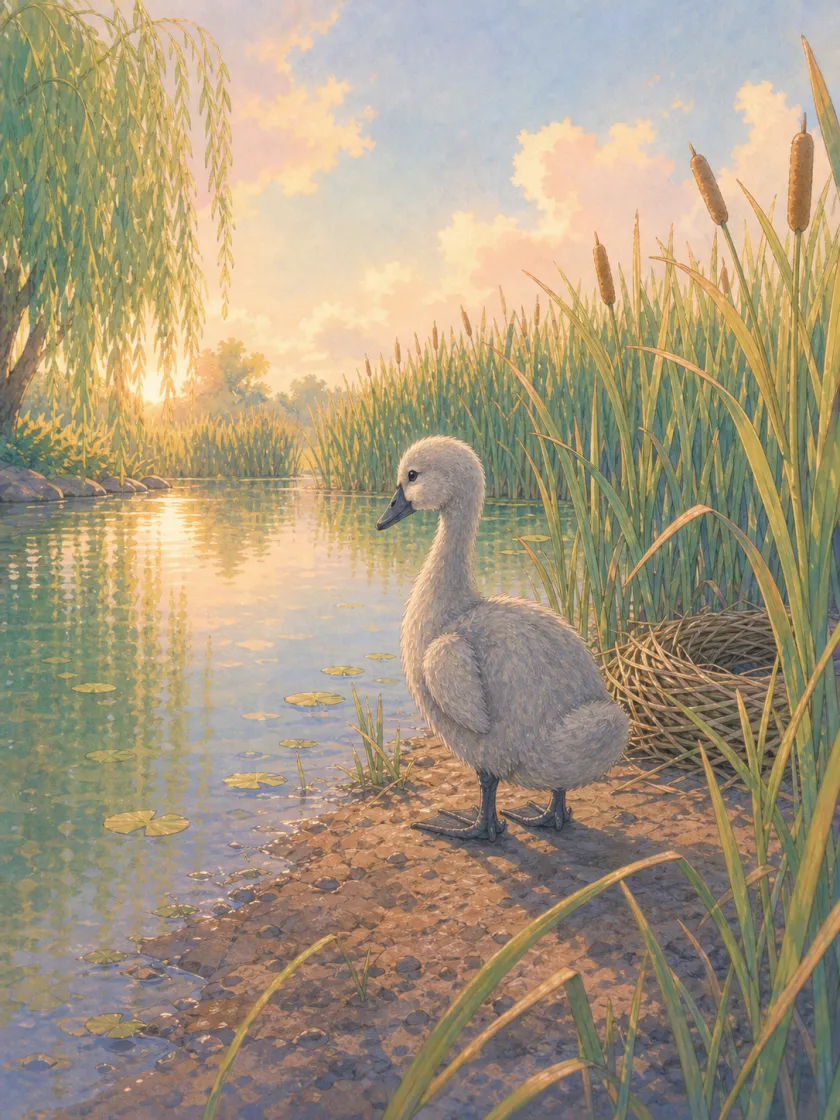
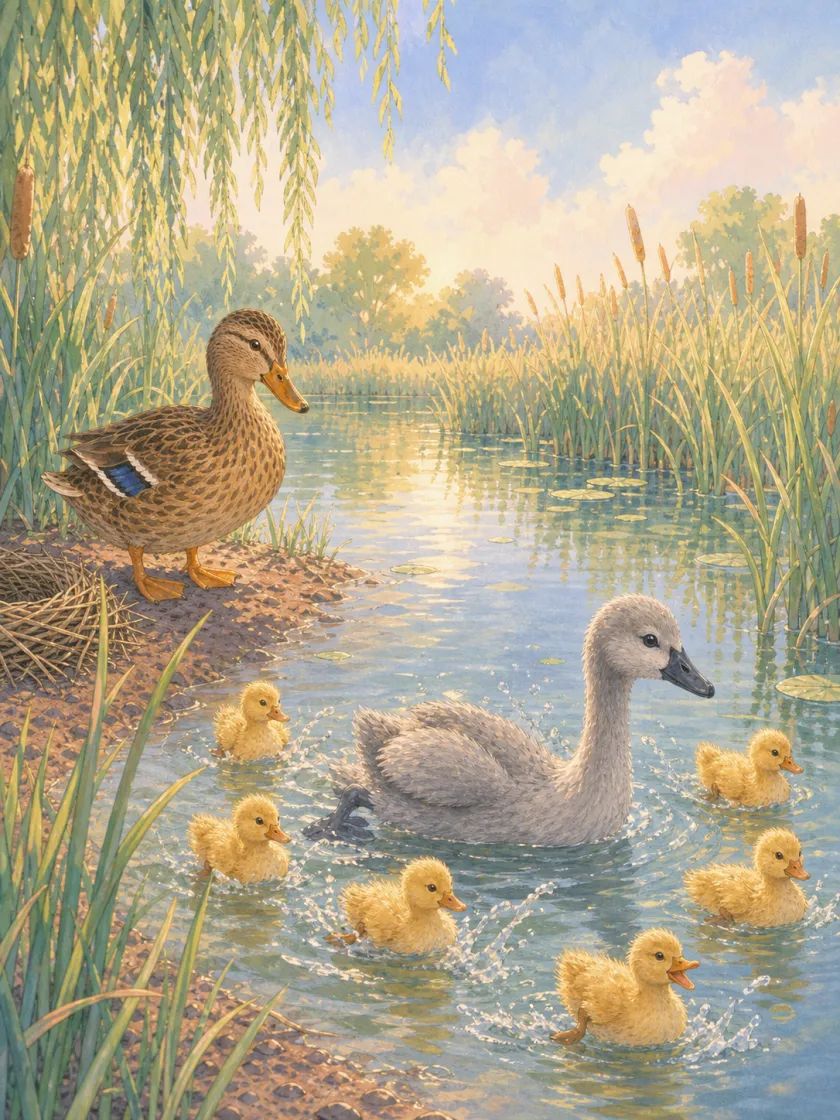
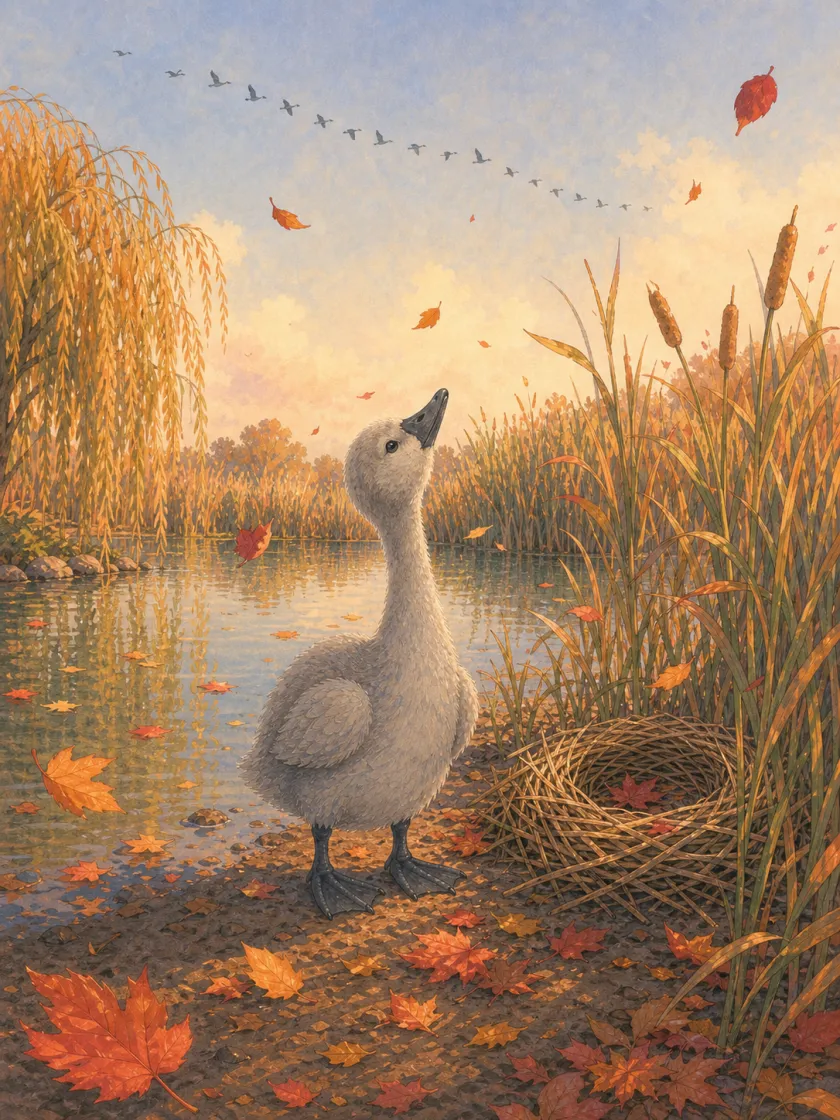
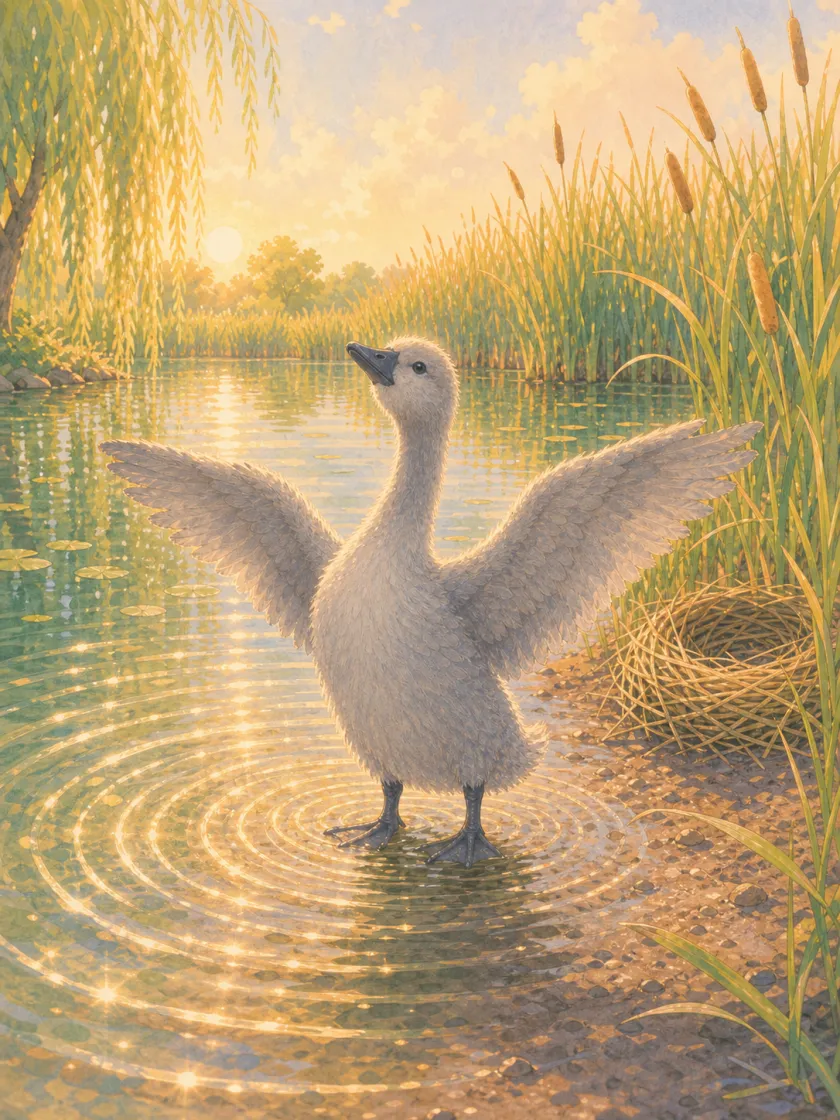
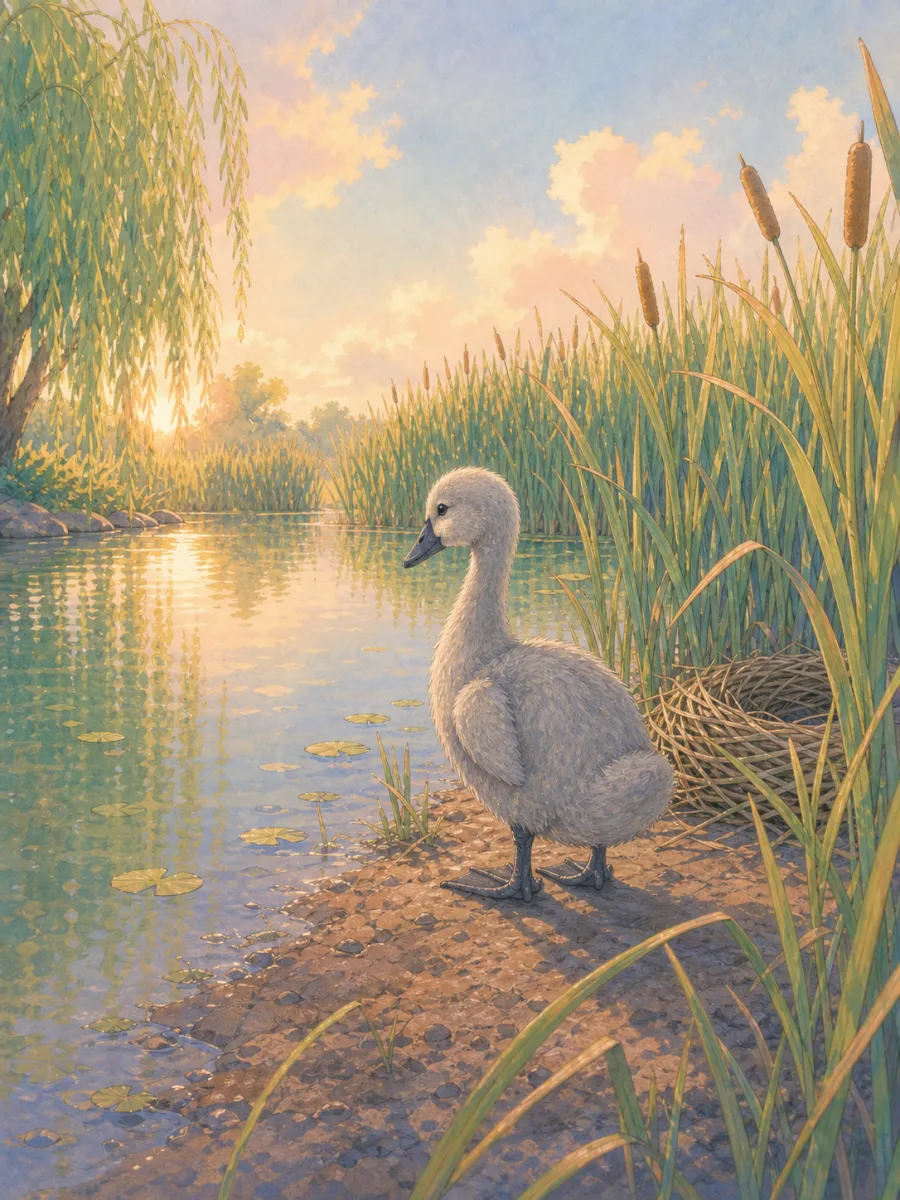
Three pages from “The Ugly Duckling Finds His Feathers.” Autumn takes up real space in the book — cutting it is what makes most retellings fall flat.
Complete stories made on Readkidz
Every one is a finished book you can read page by page — not a preview. Browse all storybooks →
How it works
- 1Decide how long the lonely part runs
Rush it and the ending means nothing; dwell on it and a sensitive child stops halfway. Two or three spreads of genuine loneliness is usually the balance, and you can ask for more or fewer depending on who is reading it.
- 2Choose what makes your character different
Grey among yellow is the original. It can as easily be the tallest, the quietest, the one who arrived mid-year, the one whose family looks unlike everyone else's. Name it plainly and every page is built around that specific difference.
- 3Make the ending recognition, not reward
The strong version ends with the character seeing what they already were; the weak version ends with them becoming beautiful and being accepted for it. Read the last spread and check which one you got — the difference matters to a child who has been the grey one.
Is this what you were looking for?
- What you get
- 10 illustrated pages plus a cover
- Written for
- Ages 4-8
- How long
- One sitting — not weeks
- Rights
- Public-domain source — free to print, share or sell
Frequently asked questions
Is the unkindness too much for a young child?
It is adjustable, and it should be. Under five, keep the exclusion mild and the seasons short. From six, leaving some real sting in is what lets the ending land — children who have been on the receiving end can tell when a book is pretending it was not that bad.
Can I make it about a specific situation?
Yes, and that is the most common use: a new school, a child who looks different from their siblings, a late talker, a family that stands out. Describe the actual situation and the book follows it rather than the duck pond.
Does the character have to become a swan?
No. Finding others of the same kind, finding one friend, or simply stopping trying to be a duck all work as endings. Say which you want — the transformation is the most famous version, not the only one.
Is this tale free to use?
Yes. Andersen published it in 1843 and it has been public domain for generations, so a retelling can be printed or sold. Only specific modern adaptations remain protected, and none are used here.
Can I read a complete one first?
Yes. The link below opens all eleven pages of The Ugly Duckling Finds His Feathers, with the caregiver notes and discussion questions.
Will mine repeat that book?
No. The shape is shared with Andersen, not with the sample. Your difference, your length, your ending — and no reused sentences.
Make your Ugly Duckling
Say what makes your character different and how long the hard part runs. The book is finished in one go, with the price up front.
This maker is based on a literary work in the public domain. Its prompts require new character designs, clothing, environments, wording, and story emphasis, and do not copy or claim affiliation with any copyrighted modern film, television, game, or merchandising adaptation. Users should avoid protected modern designs.