


Make a Little Red Riding Hood Story for Kids
Little Red Riding Hood exists in versions where the wolf eats everyone and versions where nobody is harmed at all — the tale has never had one fixed ending. Readkidz writes and illustrates a complete retelling where you choose which one your child gets, and whether the point is about strangers, about staying on the path, or about noticing when something feels wrong.
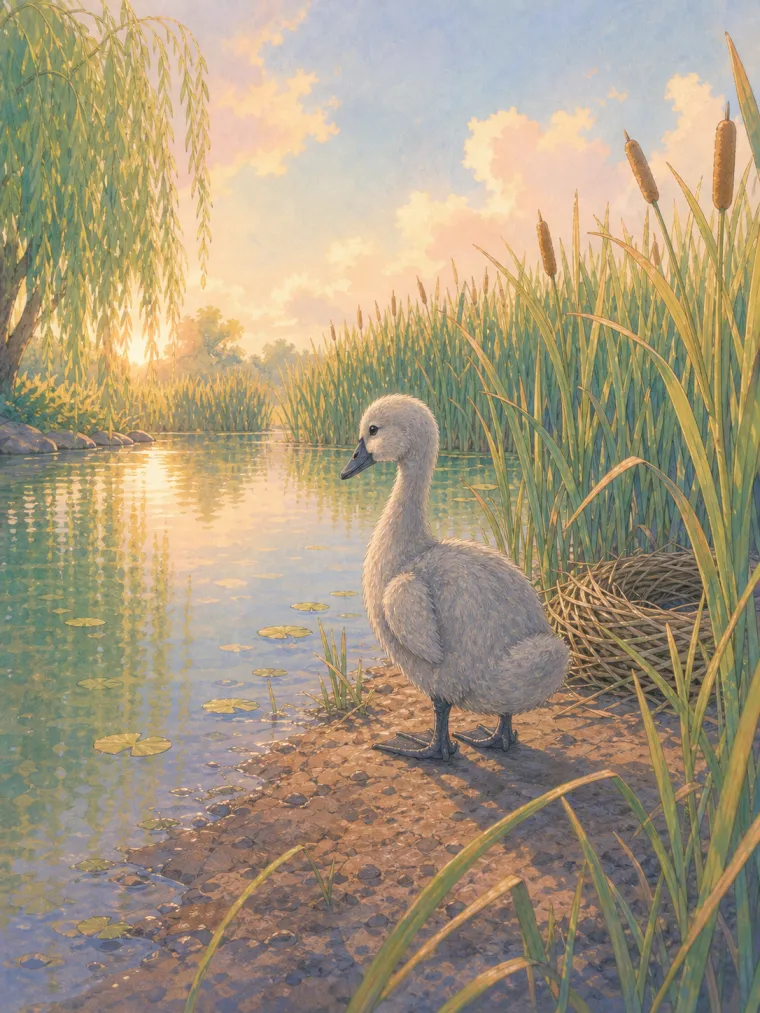
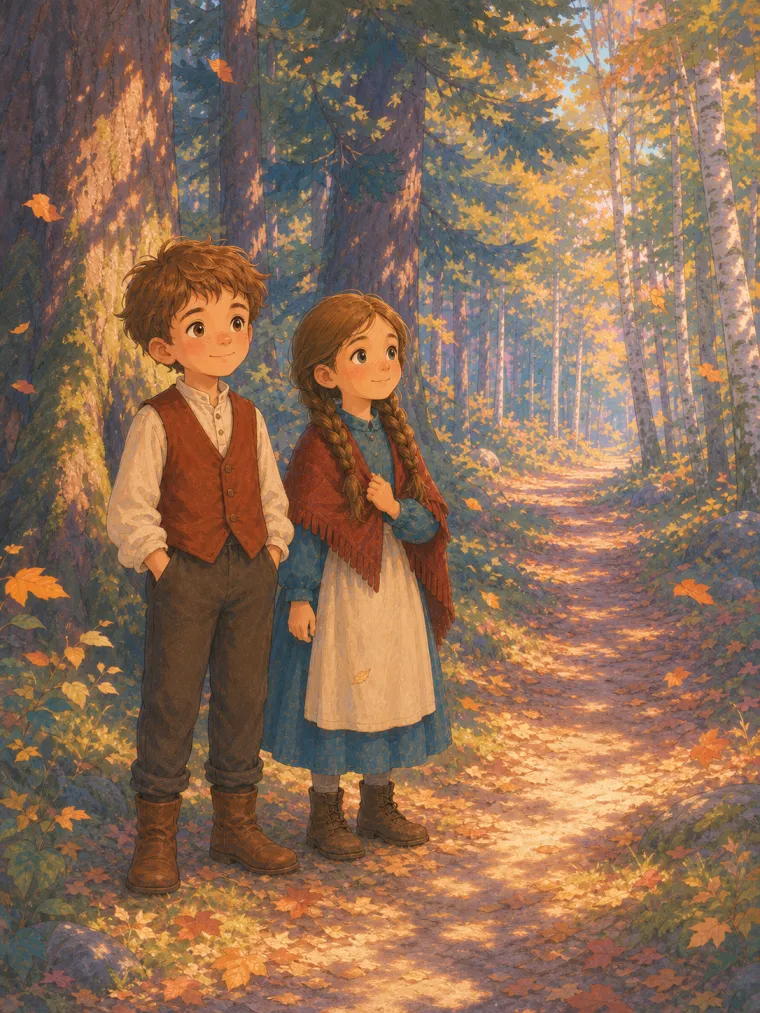
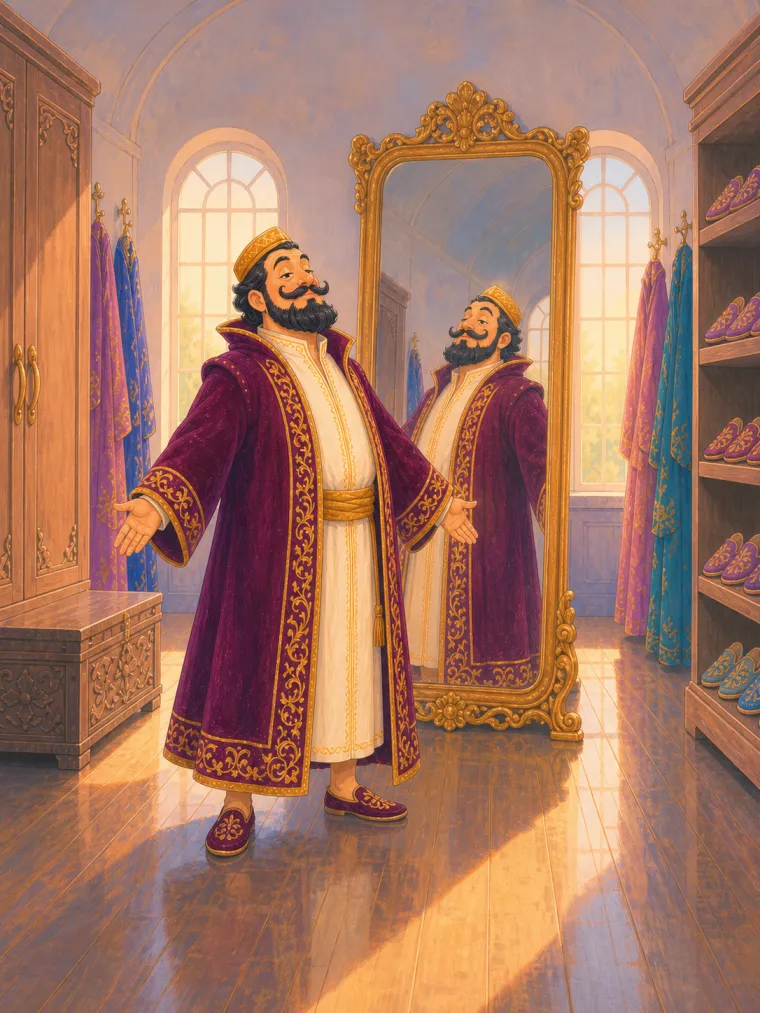
Made with Readkidz
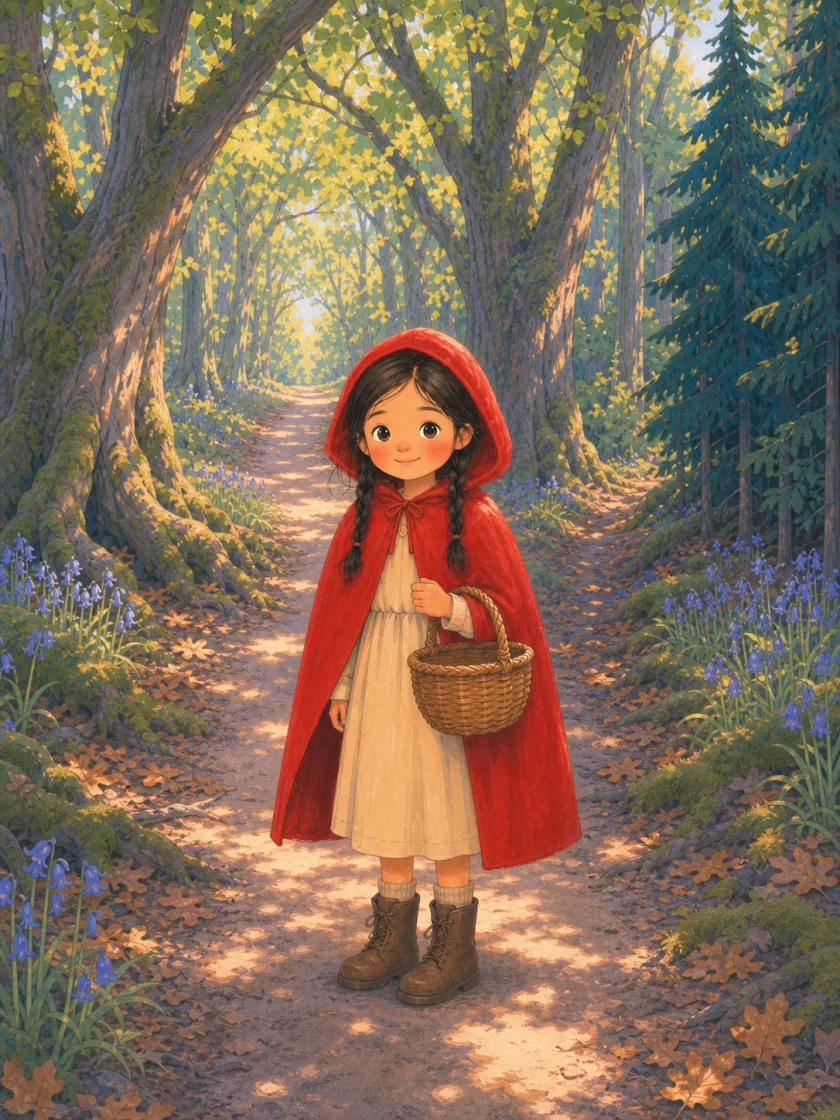
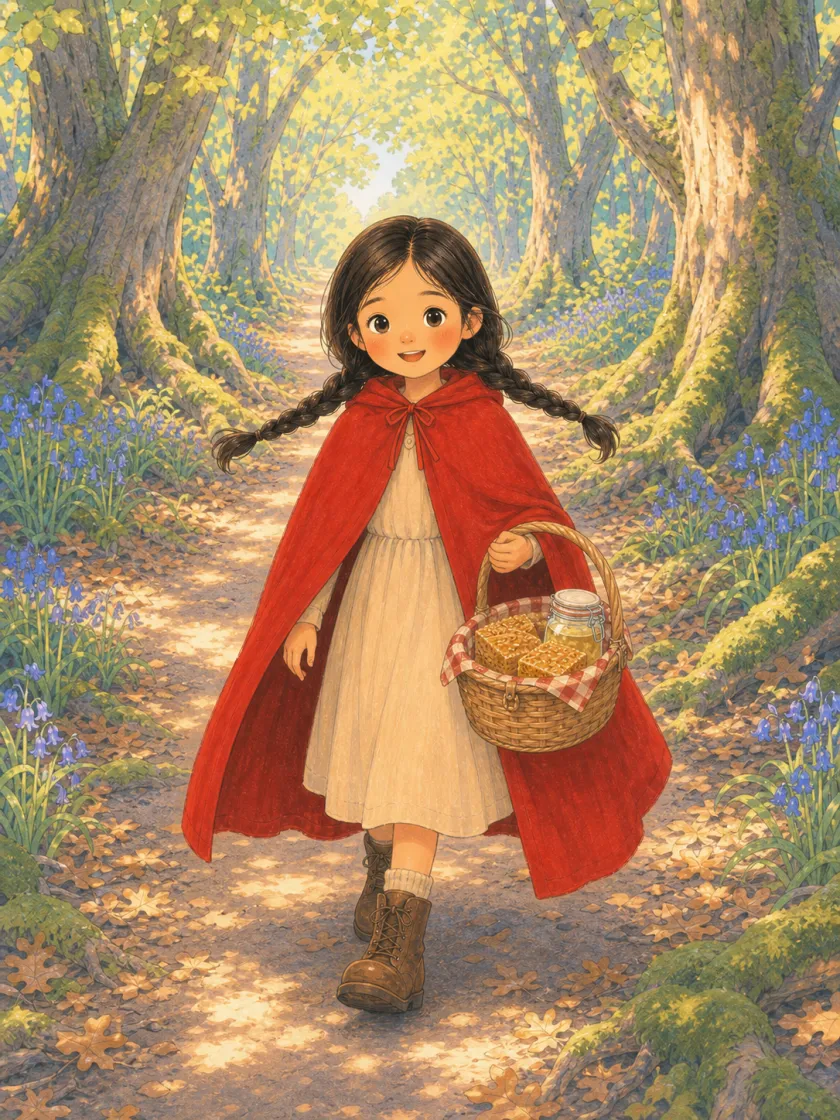
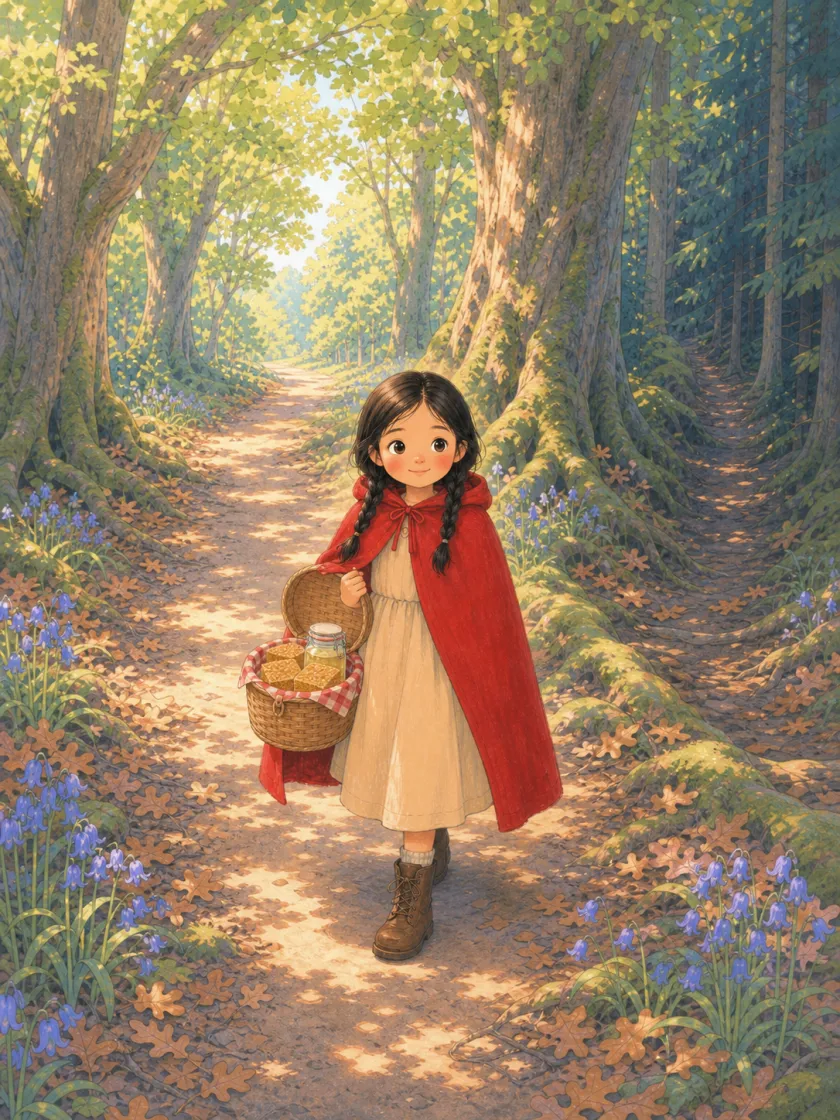
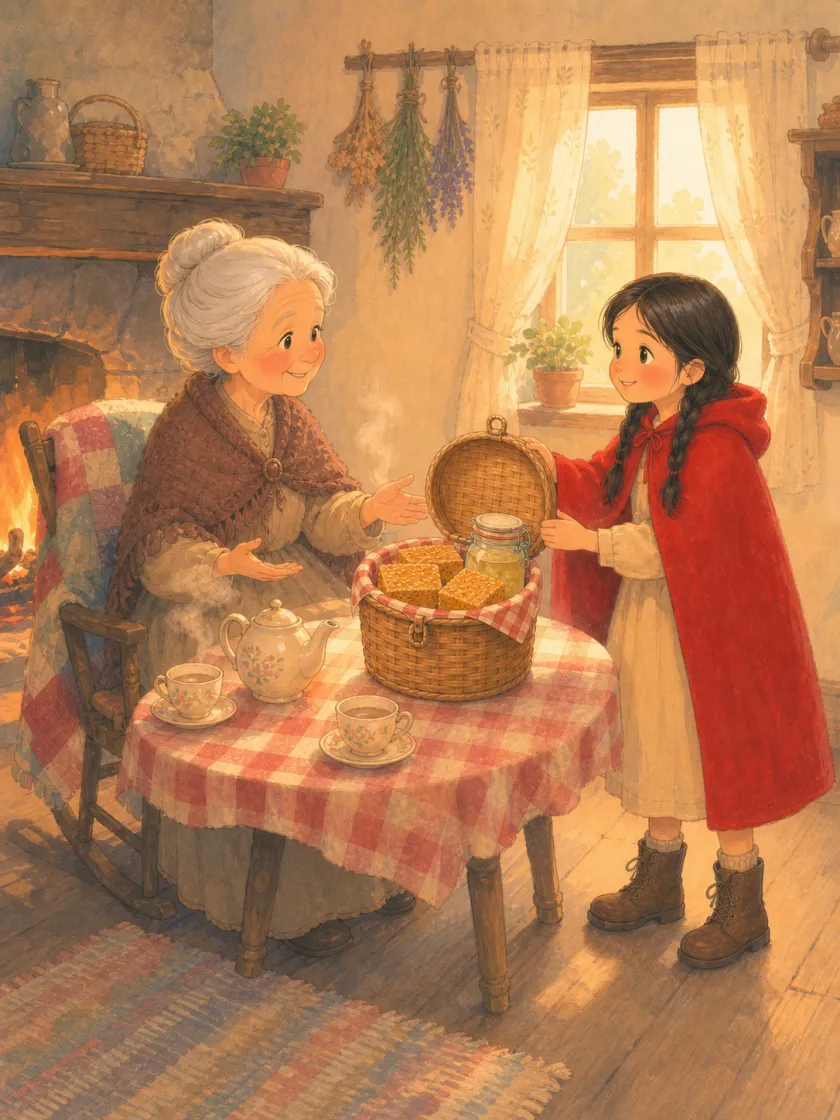
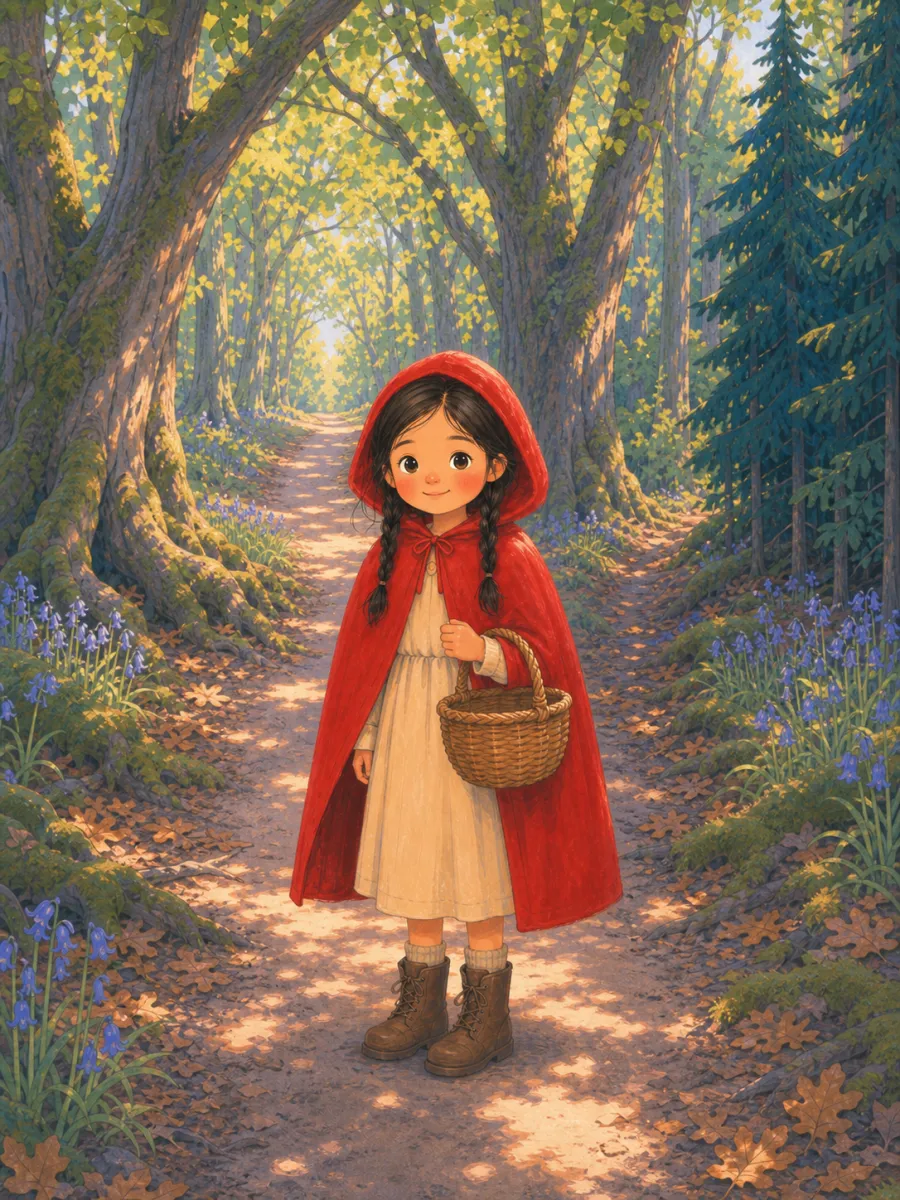
Three pages from “Little Red Riding Hood and the Wise Forest Path.” In this version she notices, and keeps walking — the wolf never gets its moment.
Complete stories made on Readkidz
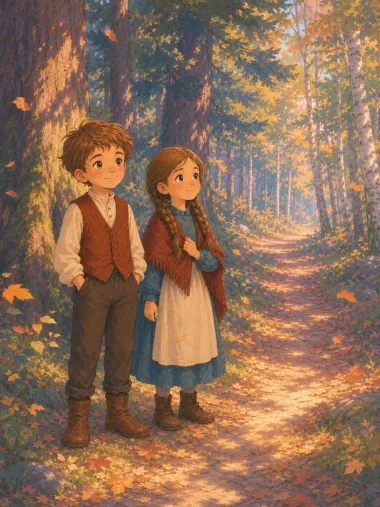
Every one is a finished book you can read page by page — not a preview. Browse all storybooks →
How it works
- 1Choose what the wolf actually does
Eats and is cut open, swallows and is outwitted, follows and is thwarted, or never gets close at all. This one decision changes the whole book, so make it first — the pacing of every page depends on it.
- 2Decide what the story is for
Wariness of strangers, keeping a promise, trusting an odd feeling, or simply an adventure with a scare in it. Modern parents often want the third — the version where she notices something is off and acts on it — which needs the wolf on the page but never in the bed.
- 3Keep the path in view
The path is the tale's whole moral geography: on it is safe, off it is not. Ask for it to be visible in most spreads and the lesson works visually without anyone having to state it.
Is this what you were looking for?
- What you get
- 10 illustrated pages plus a cover
- Written for
- Ages 4-7
- How long
- One sitting — not weeks
- Rights
- Public-domain source — free to print, share or sell
Frequently asked questions
Does the wolf have to eat the grandmother?
No, and plenty of published editions avoid it. You can have the grandmother hidden in a cupboard, out at the market, or warned in time. Say what you want and the whole middle is written to that, rather than the original being softened at the last minute.
Is this a stranger-danger story?
It can be, but it does not have to be, and it is worth deciding deliberately. Read as stranger-danger it teaches suspicion of the unfamiliar; read as trust-your-instincts it teaches a child to act on the feeling that something is off — which is closer to what safety educators now recommend. Name the version you want in your description.
Which original is it based on?
The tradition, chiefly Perrault's 1697 version and the Grimms' later one — both long in the public domain. The Grimms added the huntsman and the rescue; Perrault's ends badly and teaches caution. You can lean toward either.
How frightening should the wolf look?
Your call, and it is a picture decision as much as a text one. Ask for a wolf that is more sly than monstrous if the book is for a four-year-old; ask for real menace if your child likes being a little scared.
Can I read a complete version first?
Yes. The link below opens all eleven pages of Little Red Riding Hood and the Wise Forest Path, including the caregiver guide.
Will mine come out the same?
No. Given how many endings this tale has, two books built from it rarely resemble each other. Your wolf, your ending and your purpose are yours, and the sample's wording is not reused.
Make your Little Red Riding Hood
Choose what the wolf does and what the story is for. You leave with every page drawn, and nothing is charged before you see the cost.
This maker is based on a literary work in the public domain. Its prompts require new character designs, clothing, environments, wording, and story emphasis, and do not copy or claim affiliation with any copyrighted modern film, television, game, or merchandising adaptation. Users should avoid protected modern designs.