


Make a Good Samaritan Story for Kids
The Good Samaritan is a parable, which makes it harder to illustrate than a straight narrative: the meaning sits entirely in who walks past and who stops. Readkidz writes and illustrates a complete retelling that keeps the two who pass by, because a version with only the helper in it has nothing left to say.
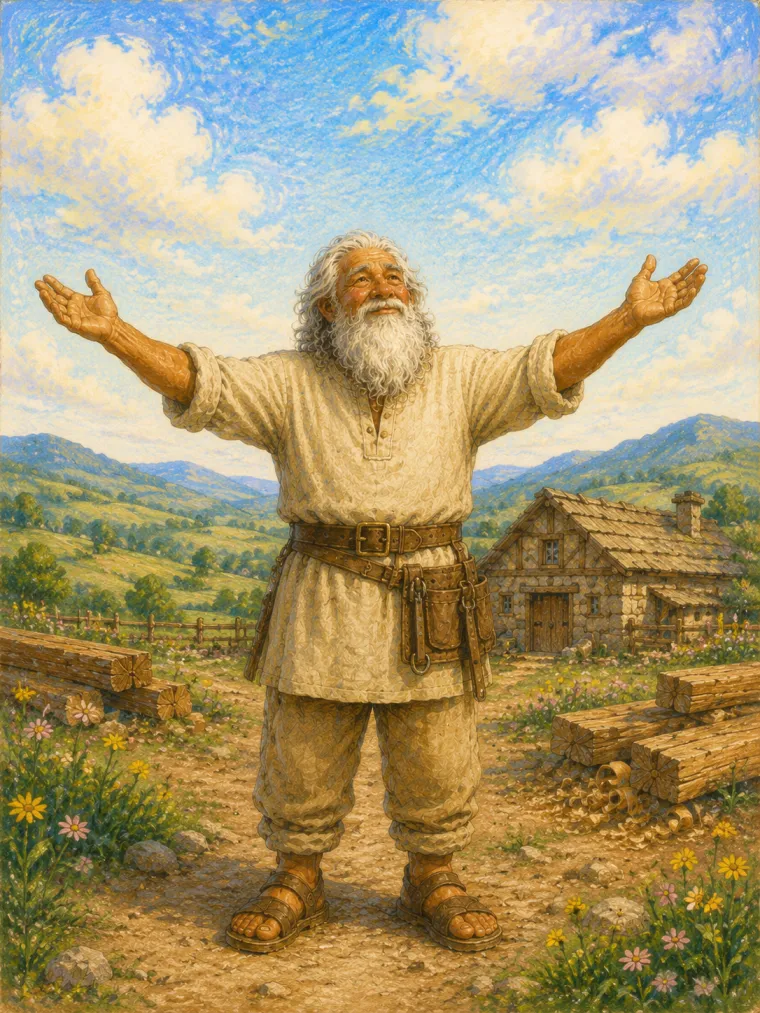
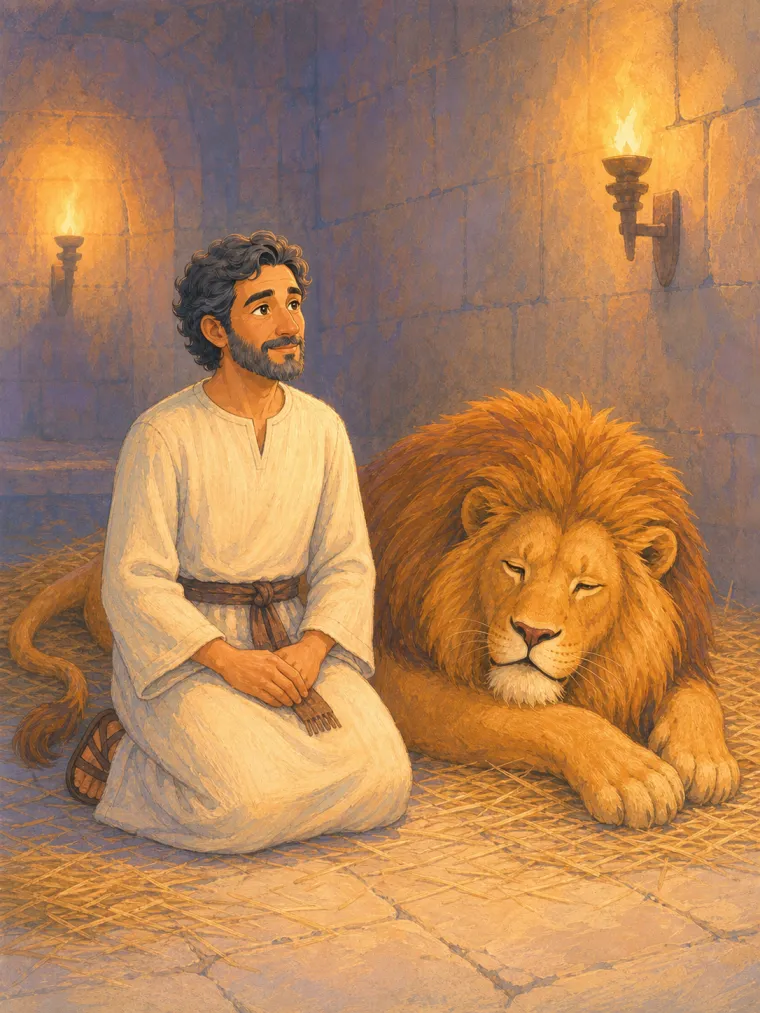
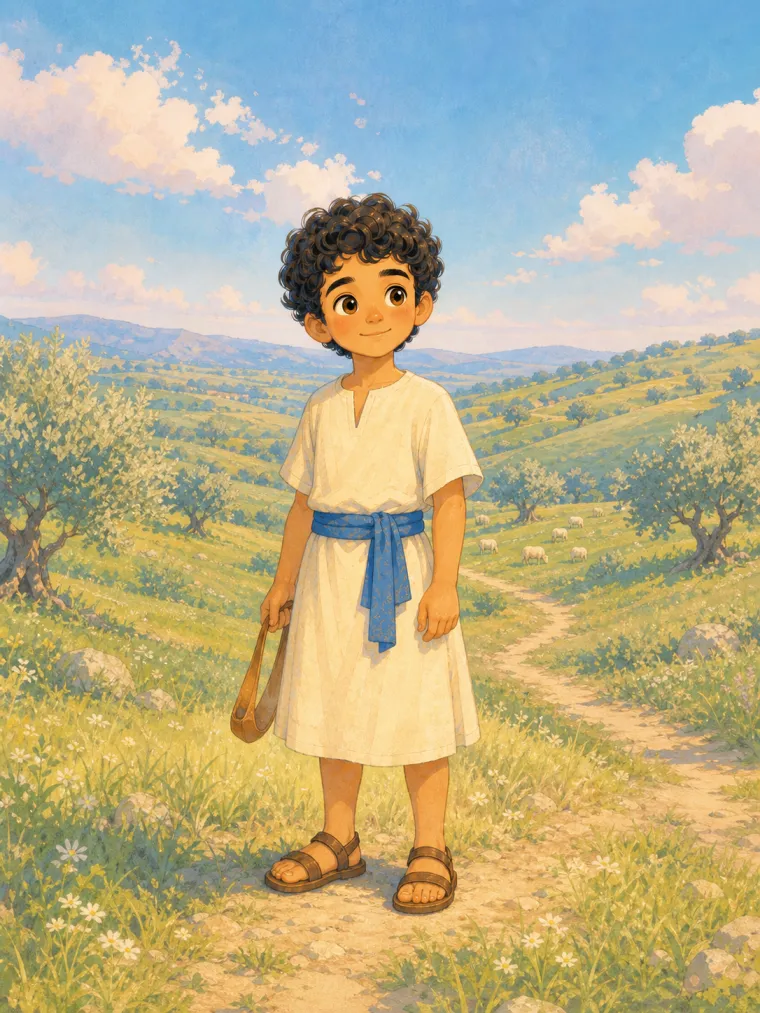
Made with Readkidz
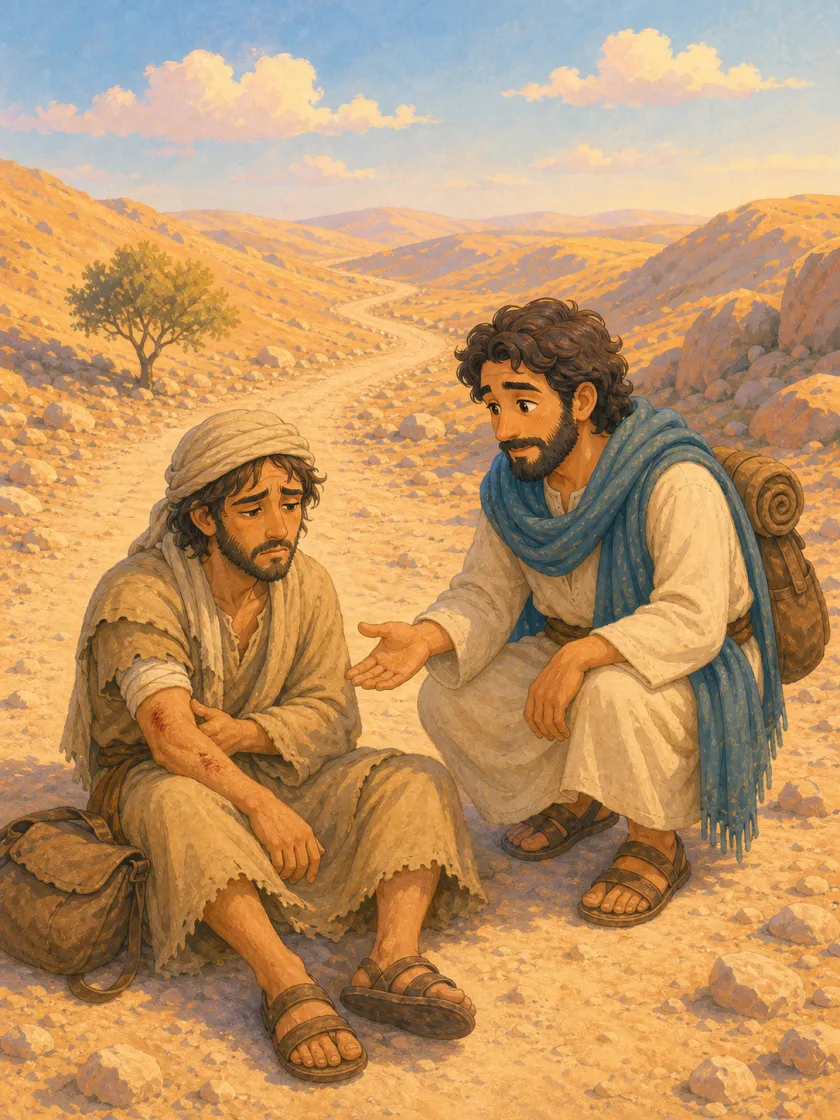
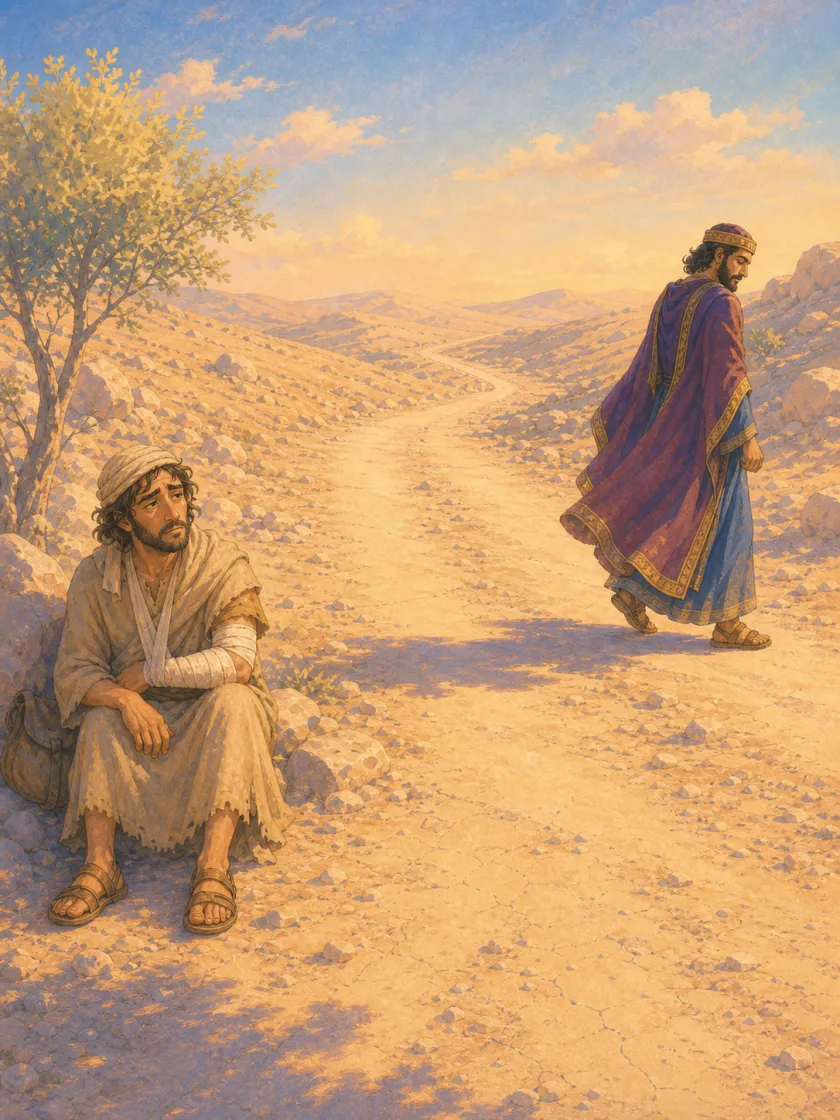
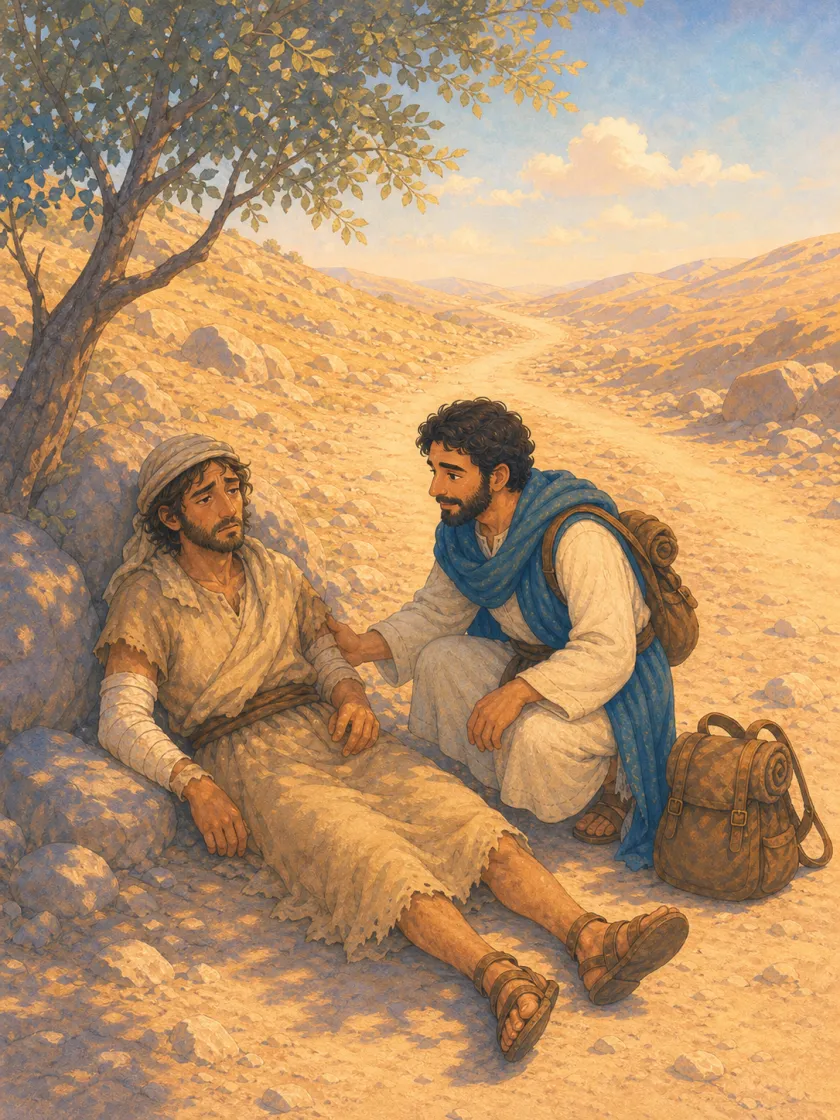
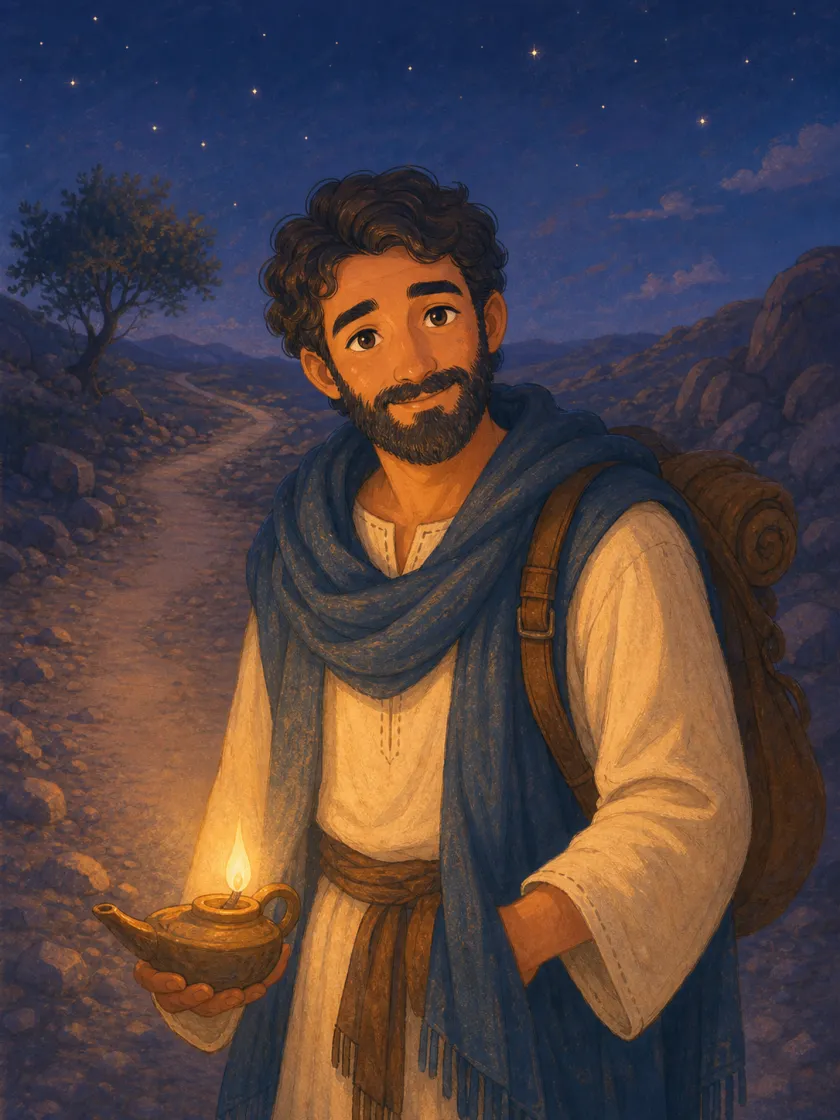
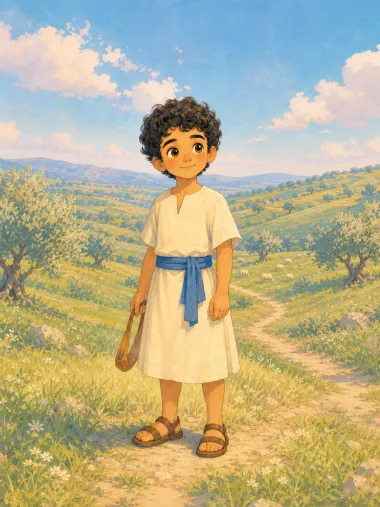
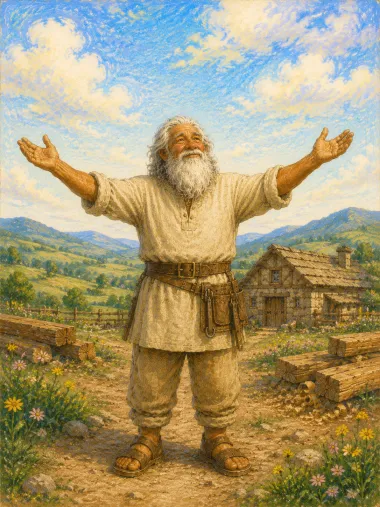
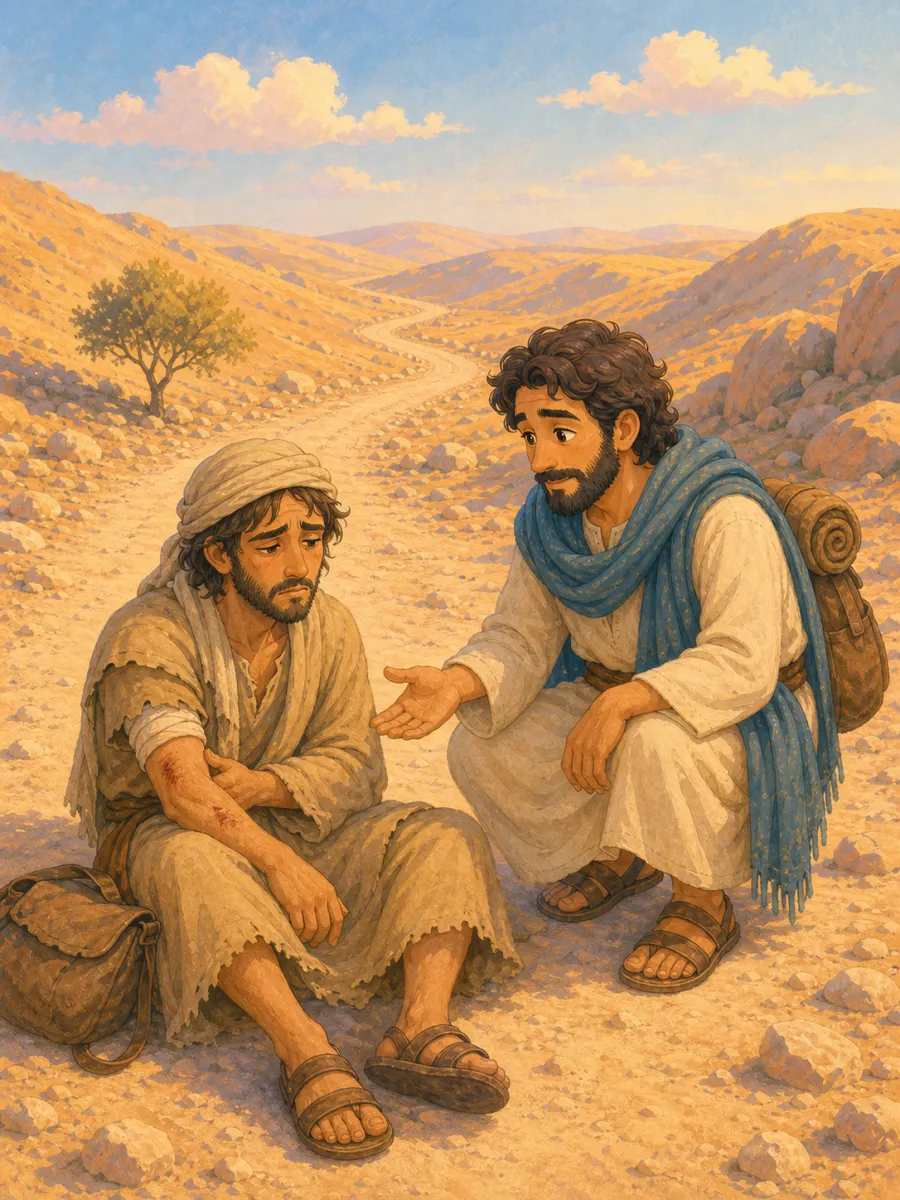
Three pages from “The Good Samaritan: A Neighbor Who Stopped.” Two people pass first — the parable does not work without them.
Complete stories made on Readkidz
Every one is a finished book you can read page by page — not a preview. Browse all storybooks →
How it works
- 1Keep the ones who walk past
The temptation is to cut them for pace, and it is the one cut that breaks the parable. They are not villains — they are ordinary people who are busy, which is the uncomfortable point. Ask for them to be shown without being condemned.
- 2Decide who your Samaritan is
In the original, the one who stops is the outsider the audience least expected. If you move the story into the present, that choice has to be made deliberately rather than defaulted — say who, in your child's world, would be the surprising helper.
- 3End on the action, not the moral
Jesus ends the parable with a question, not a statement. Read the last spread: if a narrator has arrived to explain what neighbour means, ask for it to close on what the Samaritan did and leave the question open.
Is this what you were looking for?
- What you get
- 10 illustrated pages plus a cover
- Written for
- Ages 4-8
- How long
- One sitting — not weeks
- Rights
- Retelling for children — not a substitute for the text
Frequently asked questions
Can we set it in the present day?
Yes, and it is a common choice — a roadside, a school corridor, a bus stop. Moving it makes children realise the story is about them; keeping it in first-century Judea makes it a story they are visiting. Both work, but say which you want, because the illustrations follow.
How faithful is it to Luke 10?
It keeps the parable's structure — the injured traveller, two who pass, the unexpected one who stops, the care that costs him something — in children's language. It is a retelling for young readers, not a translation, and it does not stand in for the passage itself.
Do we need to explain who the Samaritans were?
Only as much as your reader needs. For younger children, "someone the others did not expect to help" carries the meaning without a history lesson. For older ones, a line of context makes the parable much sharper — say which you want and it is written in or left out.
Is it suitable for Sunday school?
Yes, and the open-ended ending is built for discussion. Watermark-free export is available when included in your plan or purchased product and the work is assigned to you, so class sets can be printed. Questions can be included at the back.
Can I read a complete one first?
Yes. The link below opens all eleven pages of The Good Samaritan: A Neighbor Who Stopped, with the caregiver notes.
Will my version match that one?
No. The parable is shared; the setting, the era, the helper and the closing question are yours to choose. No sentences are reused.
Make your Good Samaritan
Choose the setting and who the neighbour is. The finished book comes back complete, and nothing is charged until you have seen the price.
This maker is for respectful, child-friendly creative adaptation and family discussion. It is not a theological authority or a substitute for Scripture, religious instruction, or a family’s preferred Bible translation. Generated wording must not be presented as a direct Bible quotation unless independently verified.