


Social Story Generator, With Pictures
A social story is a short picture story that walks one child through one specific situation before they meet it — the fire alarm, a haircut, the first morning in a new classroom. This generator writes and illustrates that story as a picture book: plain present-tense sentences in the child's own voice, one idea to a page, and the same child in the same room on every page. If you already have a script from your school or your clinic, paste it and it is kept word for word, so only the pictures are generated. Free to start, with PDF export for printing. Watermark-free export is available when included in your plan or purchased product.
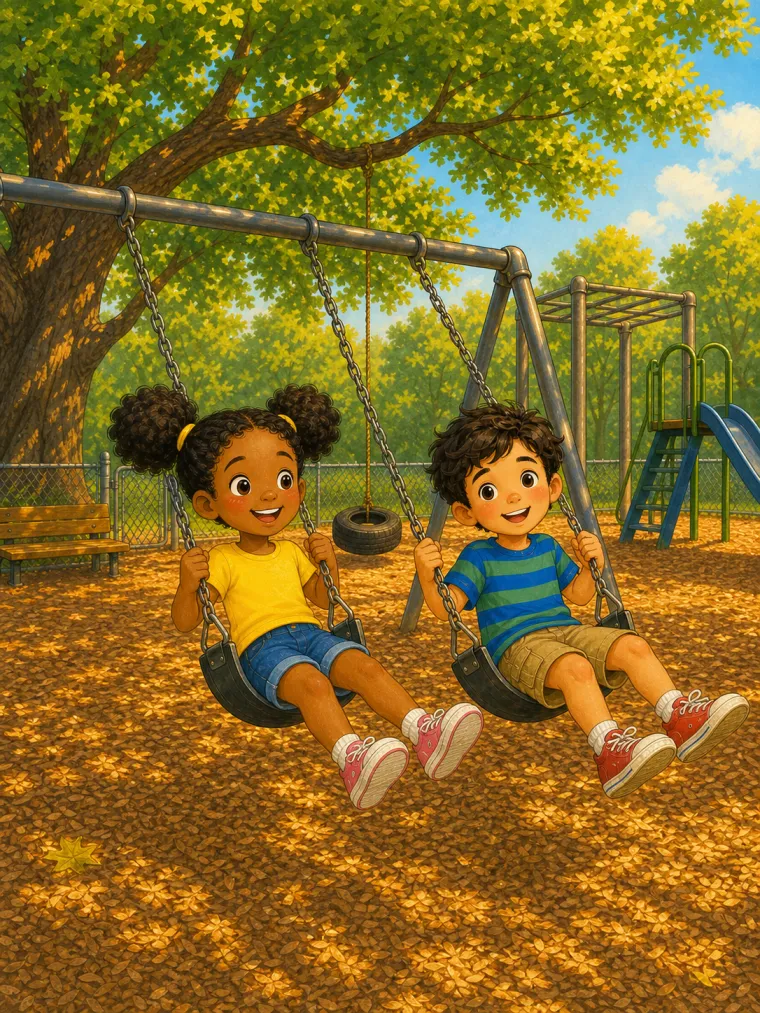

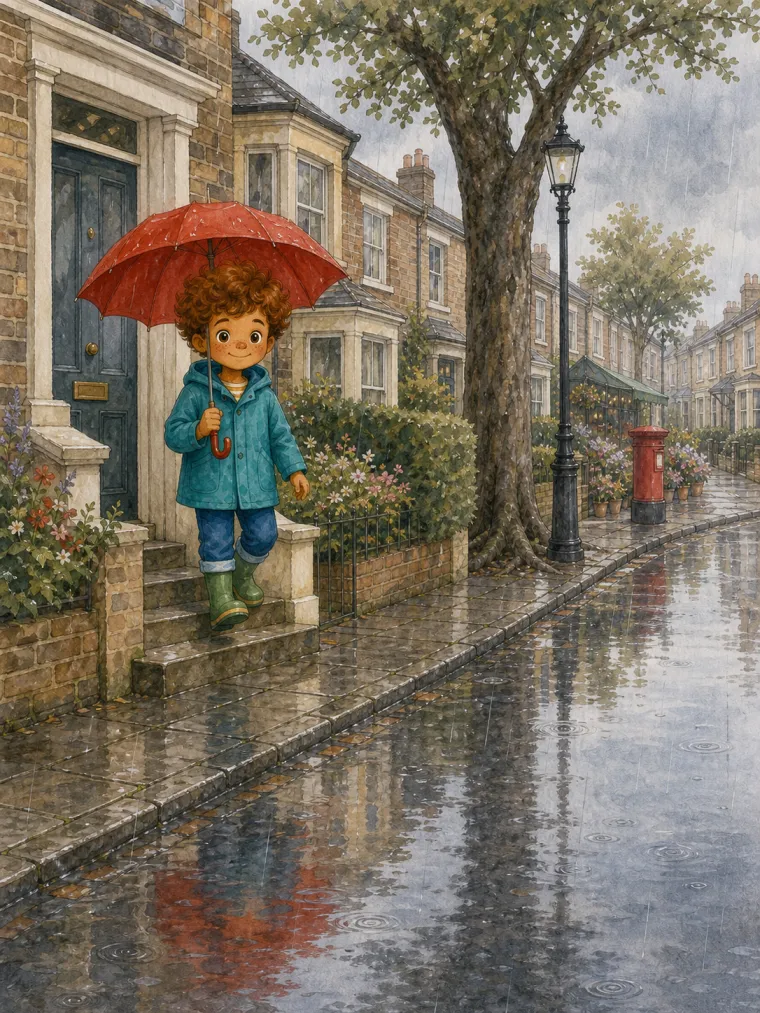
Made with Readkidz
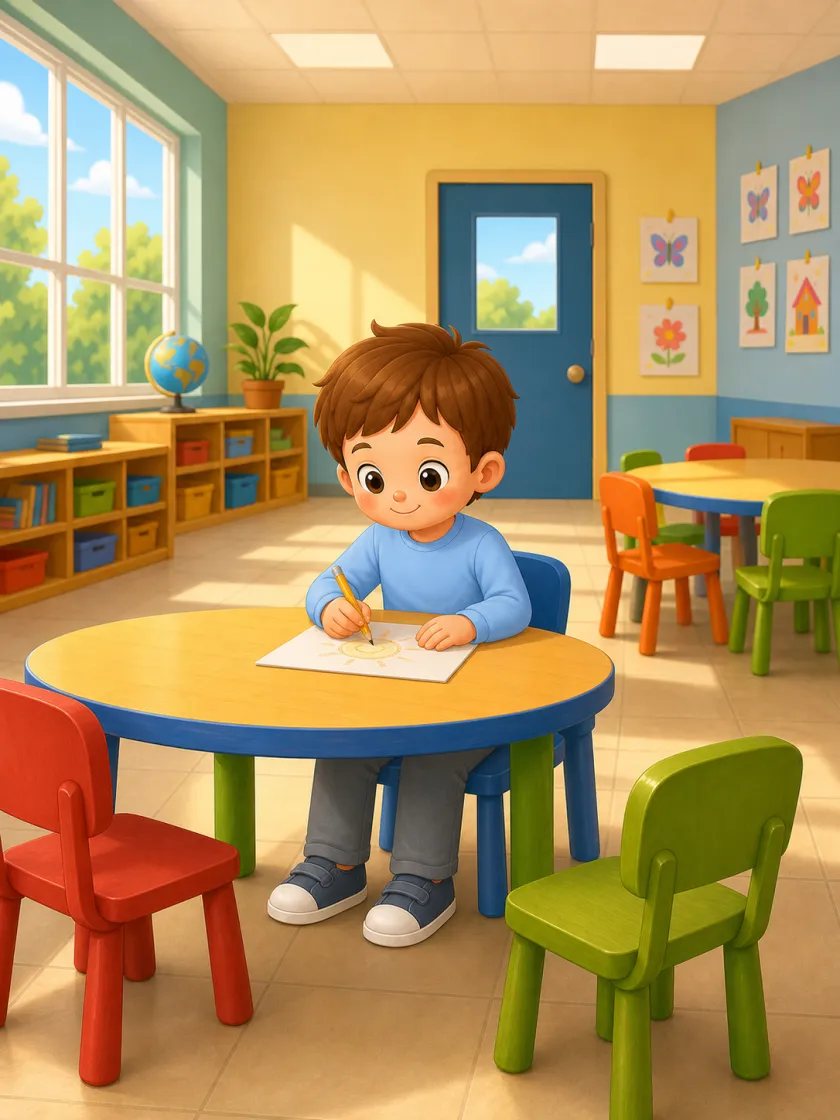
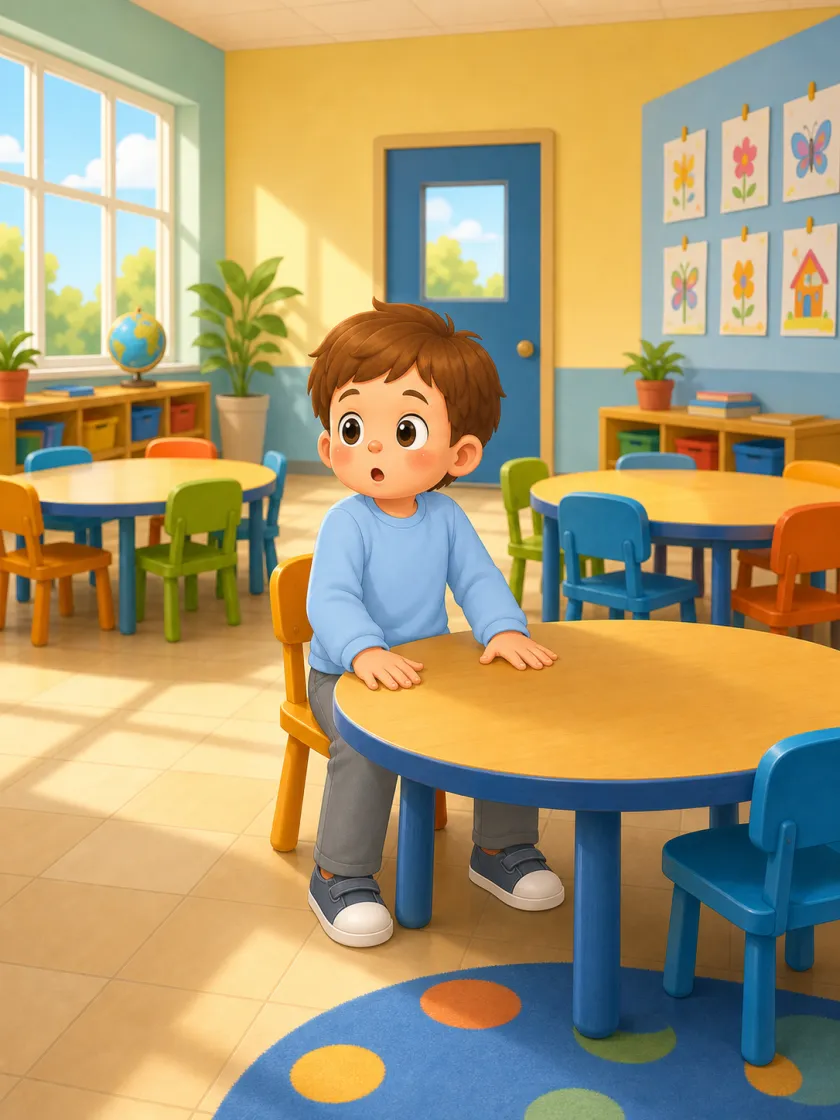
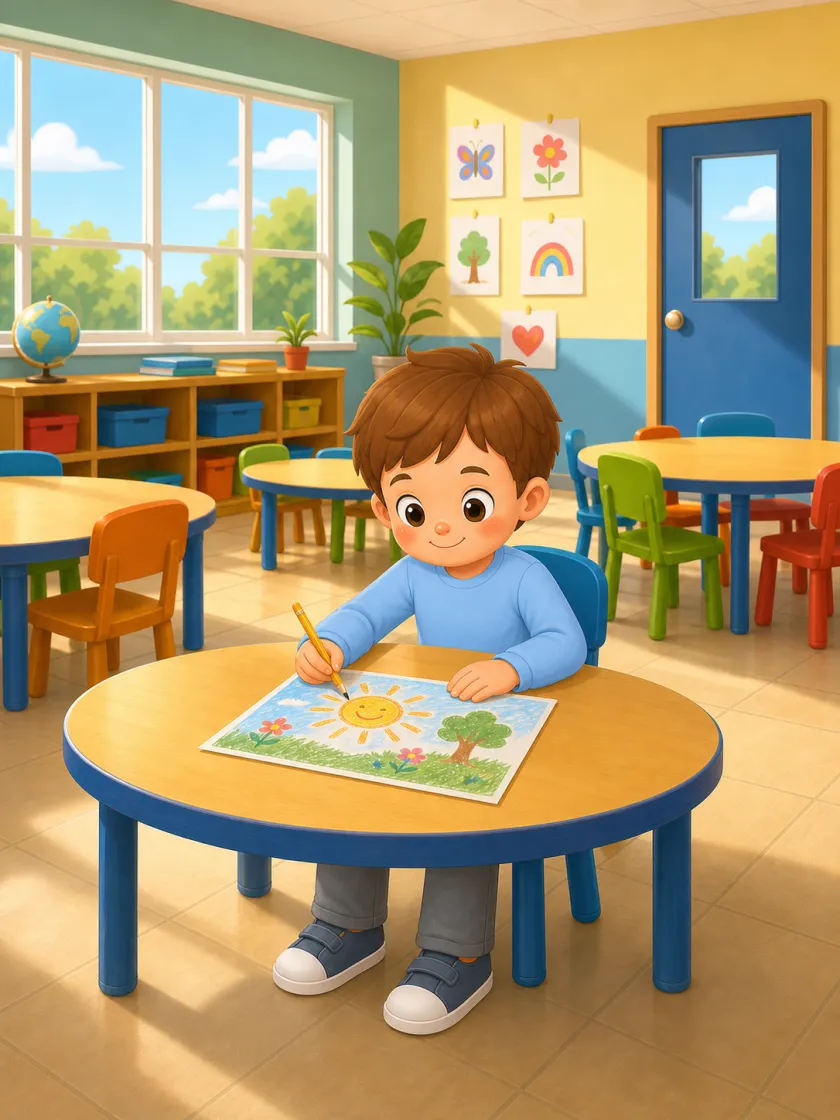
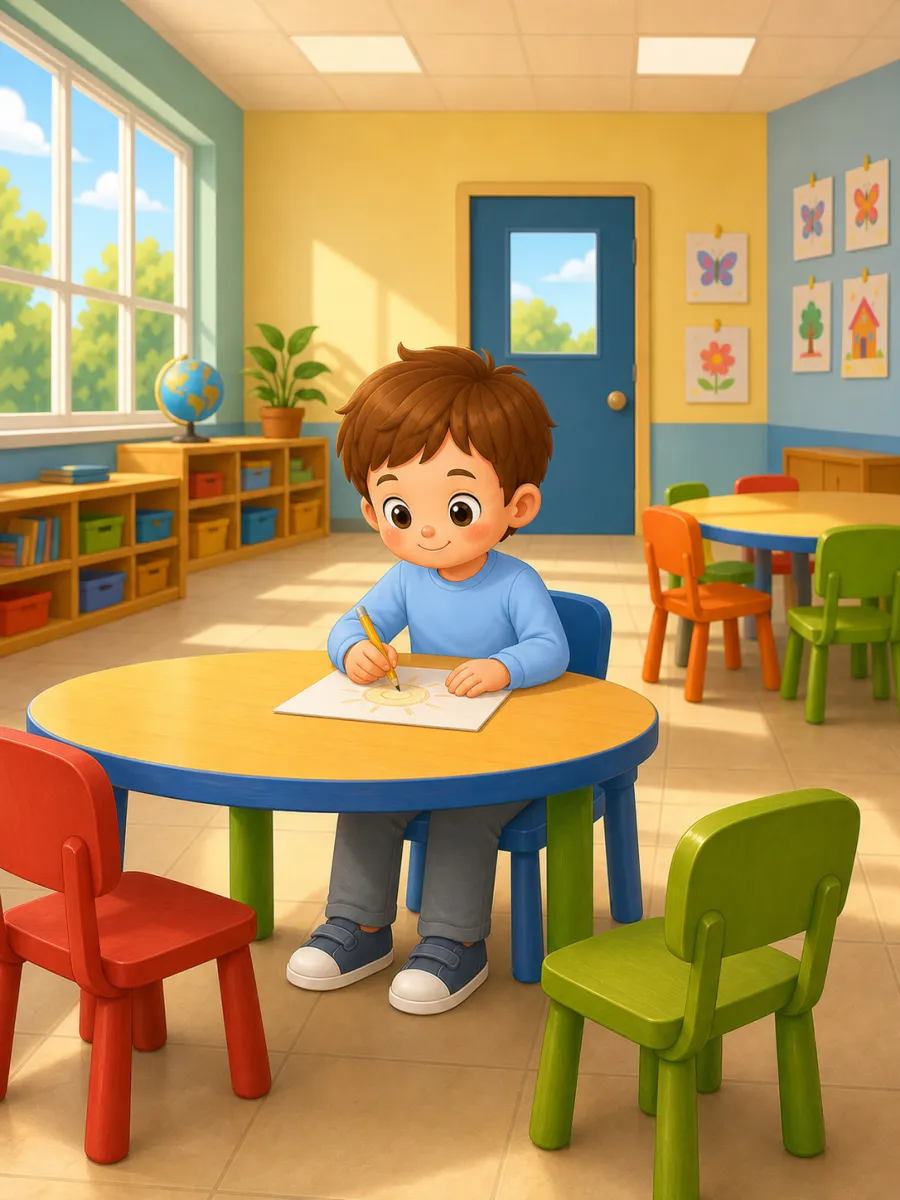
The cover and two pages from “When the Bell Rings,” a social story of 14 pages made on this page from a single sentence. Note what is not drawn: no fire, no smoke, no distress — the alarm is a sound, and the pictures stay on what the child does next. Note also the last page: same face, same blue shirt, same table as the cover, 13 pages later.
Or read a whole book end to end
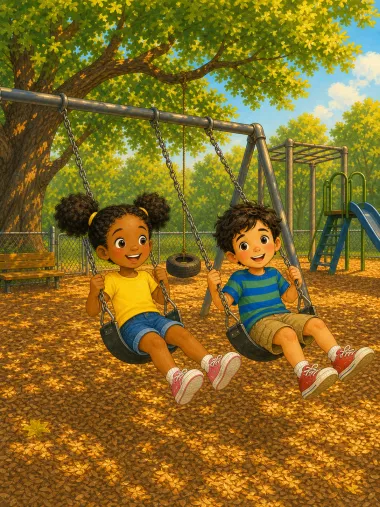
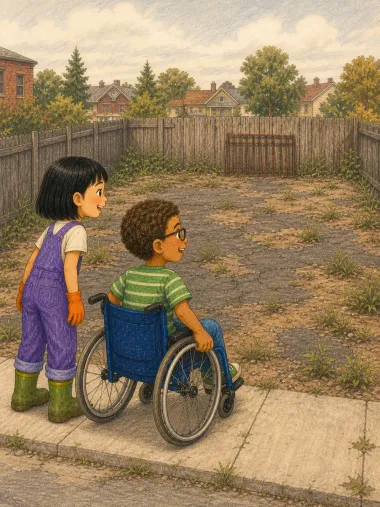
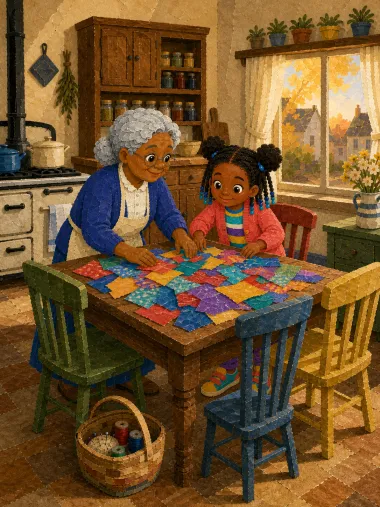
These are classroom read-alouds rather than social stories, and unlike the spreads above they can be read start to finish, free. Useful if you want to see how a full 14 pages holds together for ages 4-8 before you spend anything. Browse all storybooks →



How it works
- 1Pick one situation, not a behaviour
"The fire alarm at school" works. "Listening better" does not, because there is no moment to draw. Name the place, what happens in it, and what the child does next — that is already most of the story. A social story that tries to cover a whole term of school stops being usable on the day you actually need it.
- 2Bring your own words if you have them
Teachers and therapists usually arrive with a script that is already written and already approved, and the only missing piece is the pictures. Paste it and it is kept word for word, split across pages and illustrated line by line. If you don't have a script, one is drafted for you to edit first — plain present-tense sentences that mostly describe what happens rather than instruct — and nothing is illustrated until the words are right.
- 3Keep the child and the room the same on every page
This is where a general image tool fails a social story. If the boy on page two is not the boy on page five, the story stops being about the child, and the predictability that the whole format depends on is gone. Here the character and the setting are designed once and reused as the reference for every page, so the same face, the same clothes and the same classroom carry through. Any single page can be redrawn without disturbing the others.
Is this the right tool for your social story?
- Who it is for
- Teachers and teaching assistants, speech and behaviour therapists, and parents preparing a child for a specific situation
- What you get
- An illustrated story to read on screen, or a PDF (watermark-free when included in your plan or purchased product) to print, laminate and keep in the classroom or in a bag
- Your own script
- Kept word for word — you can generate the pictures only and leave the text exactly as written
- The pictures
- Simple and consistent, with no text baked into the artwork, so a page survives being reworded or having a symbol strip added
- Cost to start
- New accounts currently receive 1500 starter credits, valid for 30 days, with no card required
- What it is not
- A teaching and preparation aid — not therapy, not diagnosis, and not a behaviour intervention
- About the name
- "Social story" is used here as the everyday description of the format; this is not Carol Gray's Social Stories™ programme and is not affiliated with it
- Reading age
- Works from roughly three upward; for early readers keep it to one short sentence a page
The starter-credit figures are read out of the live ReadKidz pricing record, so this page cannot advertise an allowance that has since been changed.
Frequently asked questions
What is a social story?
A short, individual picture story that takes one child through one specific situation before they meet it — a fire drill, a haircut, a new classroom, a dentist appointment. It is written plainly, usually in the child's own voice and in the present tense, and it mostly describes what is going to happen rather than issuing instructions. The pictures do as much work as the words: for a lot of children, seeing the room and the order of events is what makes the situation predictable.
Does it make the pictures, or only the text?
Both, and you can take only the half you need. If you already have a script, paste it and only the illustrations are generated — one per page, your wording untouched. If you don't have one, the text is drafted first for you to edit, and nothing is illustrated until you are happy with it. Text is never burned into the artwork, so a picture stays reusable if you later reword the page or add a symbol strip alongside it.
Is it free?
It is free to start. A new account receives a starter credit allowance, valid for a limited window and with no card required, which is enough to make a social story, print it, and decide whether the output is usable in your setting. The cost of anything you run is shown on screen before it is charged. Past the starter allowance it is a paid product — this page is not going to tell you it is free forever.
Can I use it for a child with autism?
Yes — that is the audience the format was developed for, and it is who most people searching for a social story generator are working with. Two practical notes. Keep the language literal: no idioms, no sarcasm, nothing along the lines of "you'll be fine". And keep the pictures plain, because a busy illustration competes with the sentence it is meant to support — the simple flat styles usually serve better here than the detailed painterly ones. ReadKidz is a tool for making the material, not a clinical service: where a story forms part of a formal plan, the wording should still come from whoever owns that plan.
Is this Carol Gray's Social Stories™?
No. "Social story" is used on this page in its everyday sense — a short, illustrated, first-person story about one situation. Social Stories™ is Carol Gray's named methodology, with its own published criteria and its own training, and ReadKidz is neither affiliated with it nor claiming to meet those criteria. If your school or clinic requires stories written to that standard, write them to that standard and use this to illustrate them.
Can I print it for the classroom?
Yes, and it is what most people here want. Export is a PDF (watermark-free when included in your plan or purchased product) — printed small, laminated, and kept on a ring in the classroom or in a bag for the appointment itself. Because the artwork carries no burned-in text, the same pictures can be reprinted with reworded pages later without anything being redrawn.
Can I make a set for a whole class or a caseload?
Yes, one story at a time. Each story stays about one child and one situation, which is what makes the format work at all — but the same character can be carried across several stories, so a child who has already practised the fire drill meets the same face when the story is about the dentist. Therapists working across a caseload generally keep one character per child rather than one shared character.
Who owns what I make?
You do. Under the ReadKidz Terms of Service the work you create is assigned to you and watermark-free export is available when included in your plan or purchased product, so you can use it in your classroom, hand it to a family, or put it in a resource pack you share with colleagues.
Make the story for the situation you're facing this week
Name the situation, or paste the script you already have. You see the words before anything is illustrated, and the cost before anything is charged.
ReadKidz is a creative tool for making teaching and preparation materials. It does not provide therapy, diagnosis or clinical advice, and it is not affiliated with Carol Gray or the Social Stories™ programme.