


Make a Children's Book About Emotions
The one job of a children's book about emotions is to hand a child words for something they can already feel but cannot yet name. Readkidz writes and illustrates a complete picture book where the feeling gets a shape you can point at, a name a three-year-old can say, and an ending that does not tell anybody to calm down.
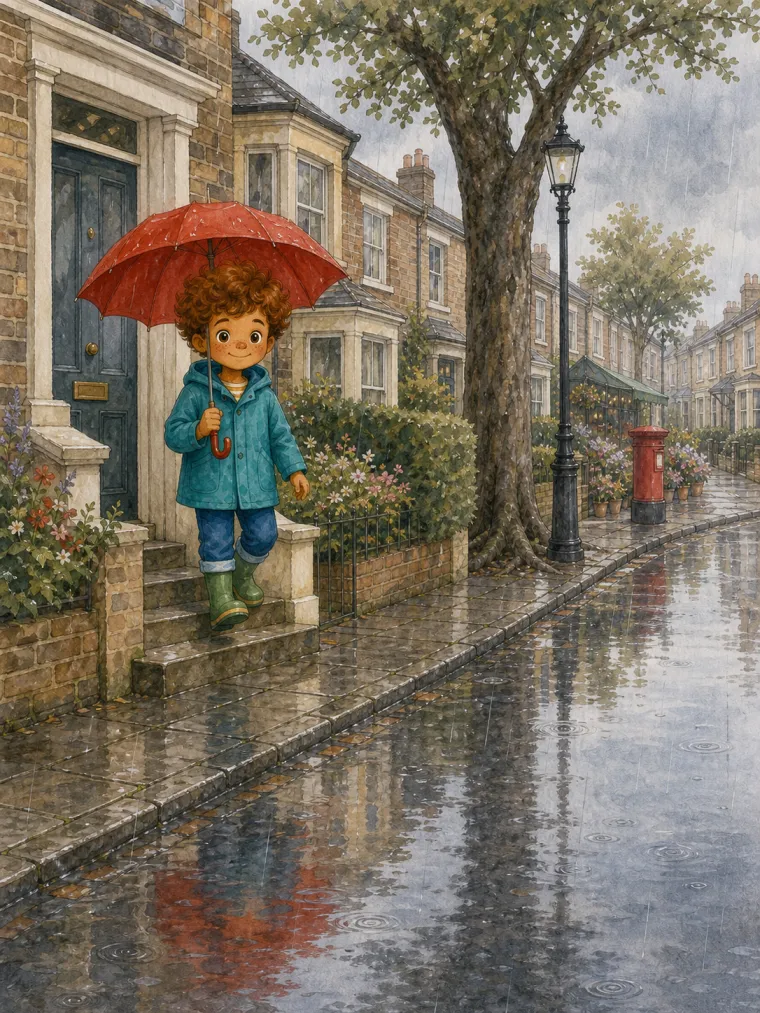
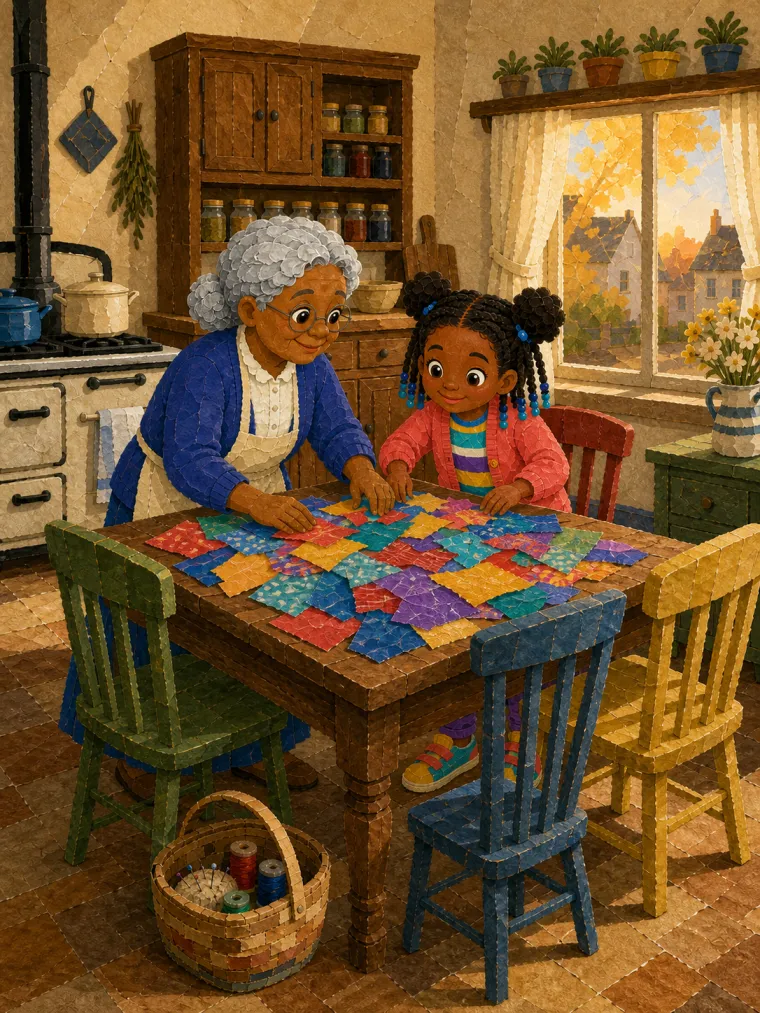
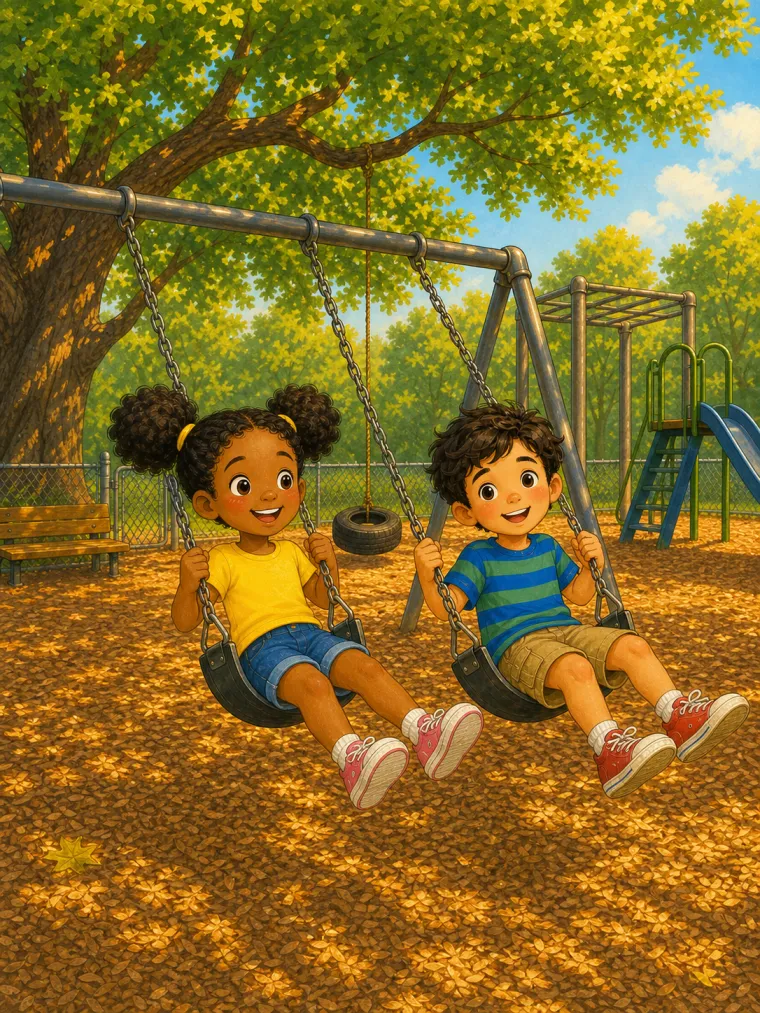
Made with Readkidz

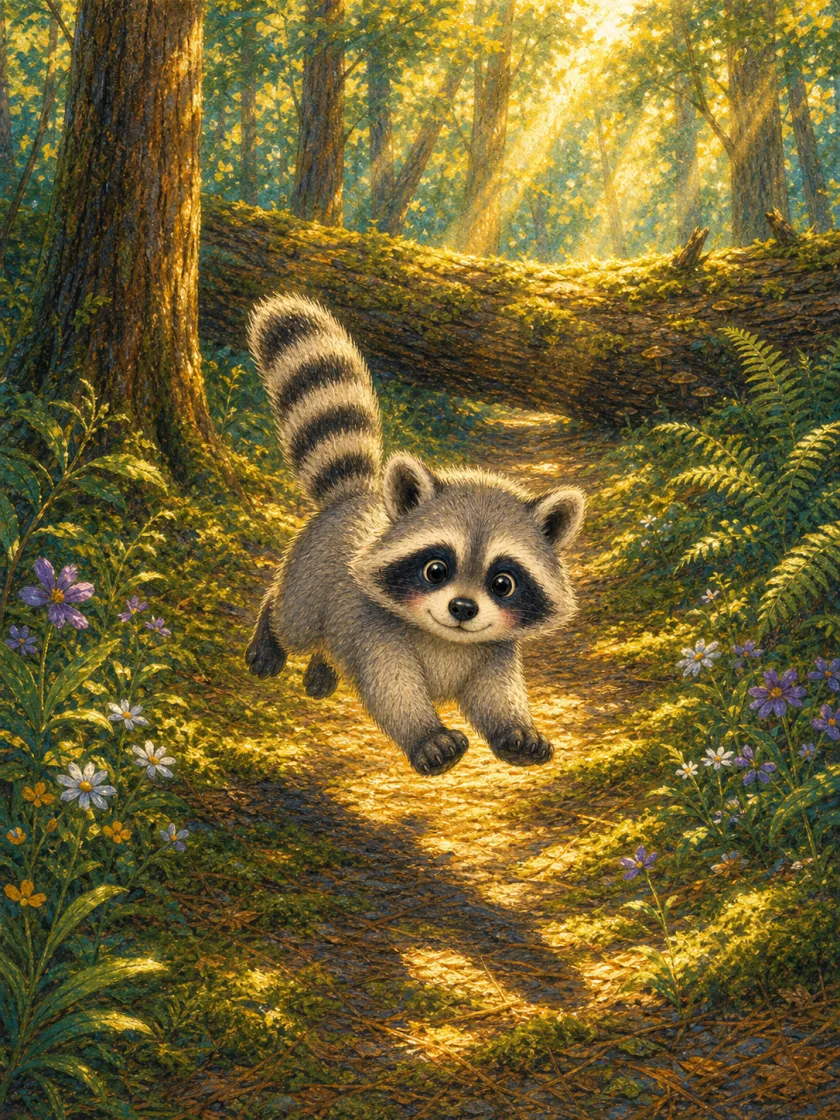
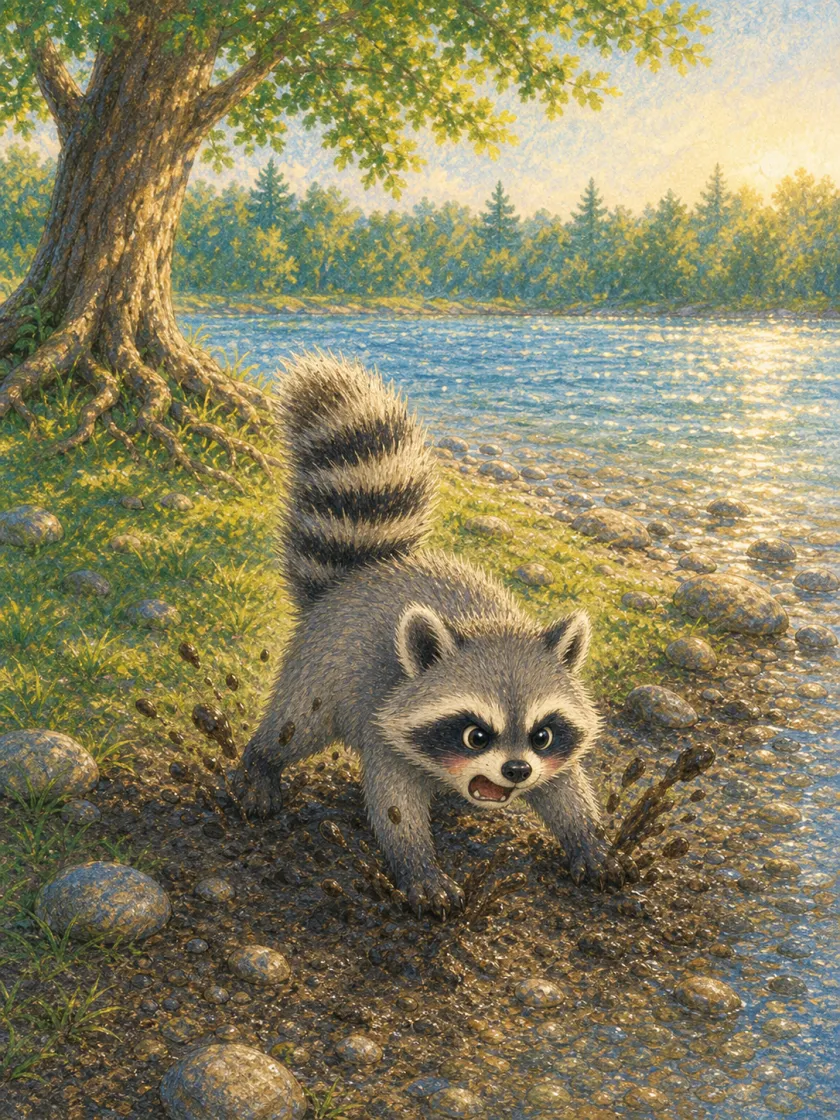
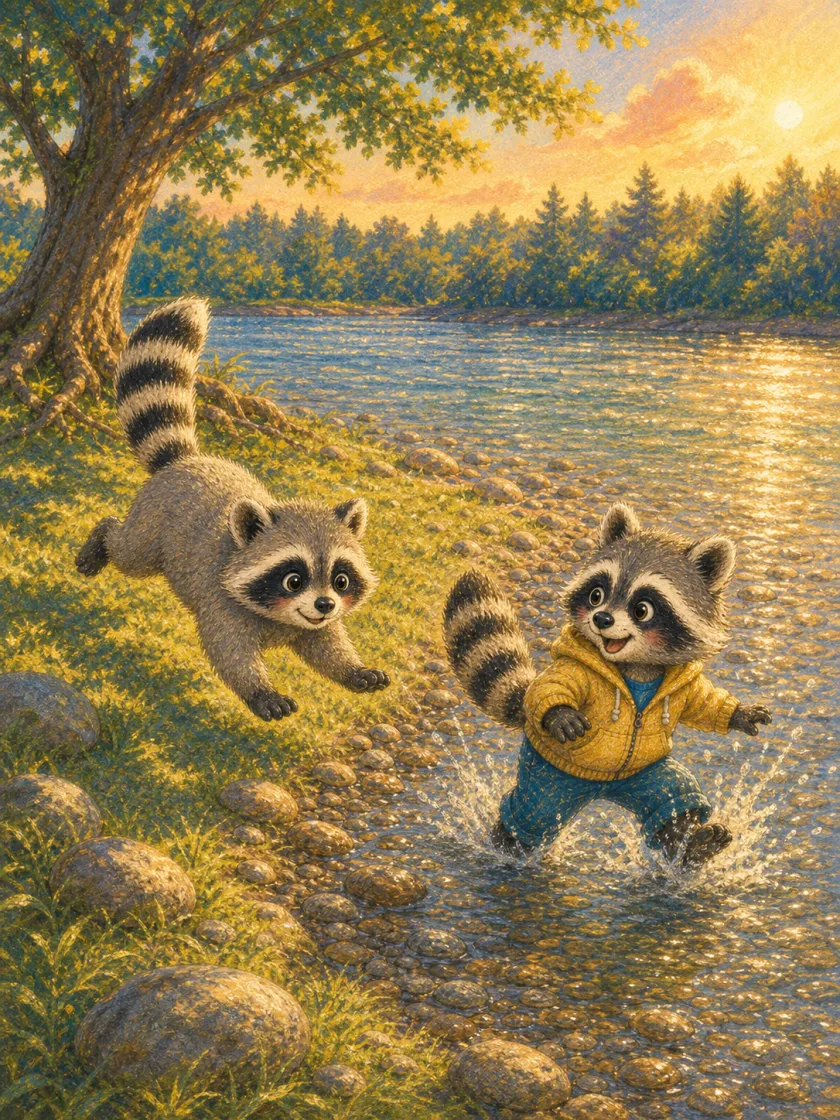
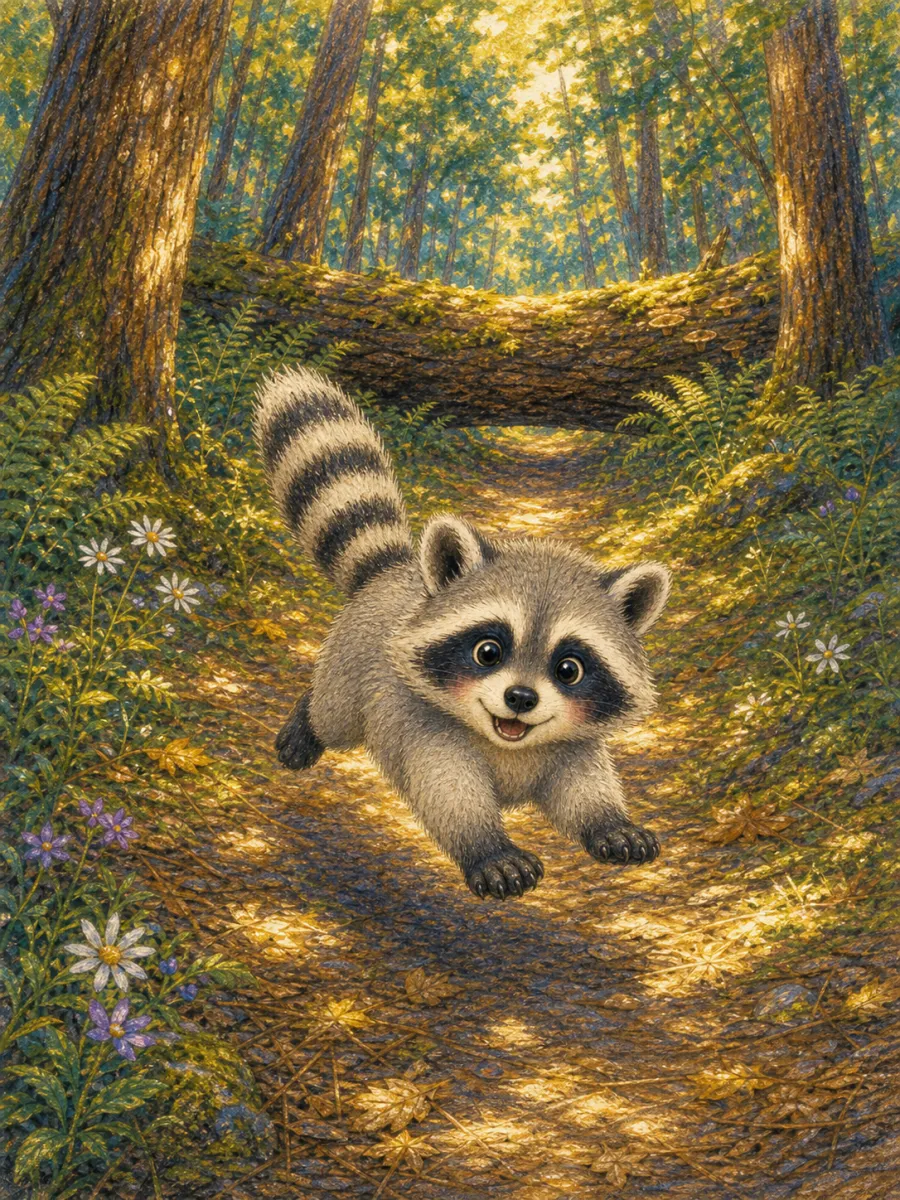
Three spreads from “Milo and the Weather Inside.” The anger is never called bad — it is called thunder, and thunder is a thing that passes.
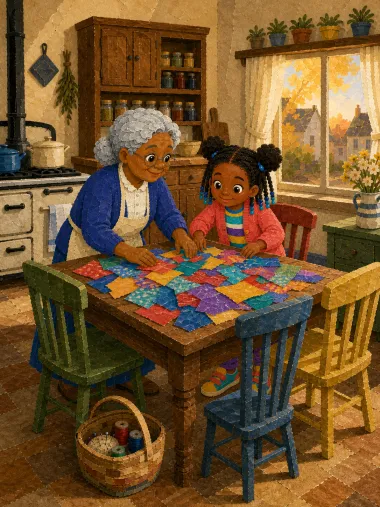
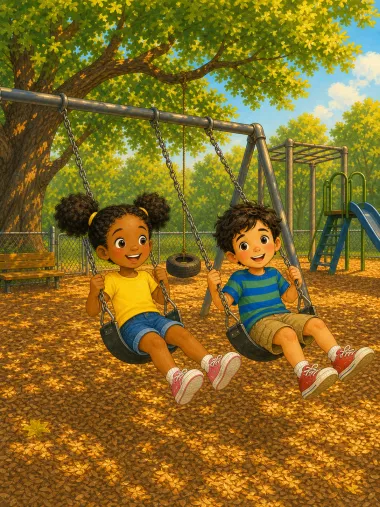
Complete stories made on Readkidz
Every one is a finished book you can read page by page — not a preview. Browse all storybooks →
How it works
- 1Name the feeling you want words for
Not "emotions" in general — the specific one that keeps coming up. Jealous of the new baby. Furious and then instantly sorry. Nervous about a room full of people. The narrower you go, the more the book sounds like it was written about your child.
- 2Give the feeling something a child can see
Young children can't hold an abstraction, but they can hold weather, colour, an animal, a size. In the sample, anger is thunder in a raccoon's chest — visible, nameable, and something that passes. Pick the image and it carries every page.
- 3Check that the ending isn't a lesson
Read the last spread and ask whether it teaches or just lands. Books that end by instructing a child to breathe get closed; books that end with the feeling having changed on its own get re-read. Rewrite that page as many times as it takes — the rest of the book stays put.
Is this what you were looking for?
- What you get
- 12 illustrated pages plus a cover
- Written for
- Ages 3-7
- How long
- One sitting — not weeks
- Rights
- Original story — nothing is retold from another book
Frequently asked questions
How do you write about big feelings without moralizing?
Keep the adult out of the ending. Show the feeling arriving, show what it makes the character's body do, and let it change because something in the story changes — a friend calls, the light shifts, time passes. The moment a book instructs a child to take deep breaths, it stops being a story and becomes a worksheet.
Which emotions can it handle?
Anger, jealousy, nervousness, sadness, embarrassment, missing someone, and the mixed ones children have no word for yet — furious-and-guilty, excited-and-scared. If a subject is heavy for your family right now, say so in your description and the pacing will stay gentle.
Can I make it about the exact situation we're going through?
Yes, and specific beats generic every time. A new sibling, a move, a friend who said something at school — describe it, and the book is built around that instead of a stock scenario. Names, ages and family shape are all yours to set.
Does the character have to be an animal?
No. Animals give some children a step back from a feeling that is too close, which is why the sample uses a raccoon. If your child would rather see a child, ask for one — including one who looks like them.
Can I read a complete one before I make mine?
Yes. The sample below opens all thirteen pages of Milo and the Weather Inside, plus the caregiver notes and the questions to ask afterwards. Nothing is held back.
Will mine be a retread of the sample?
No. What is reused is the method — one feeling, one visual metaphor, one change — not the raccoon, the forest, or a single line of the text. Different feeling, different image, different book.
Make a book about the feeling you're dealing with
Name the feeling and the moment it keeps showing up. The whole book is illustrated before you leave, and the price is on screen first.
Create new original characters, wording, and visual designs. Do not request protected characters, logos, or close imitation of a living artist’s signature style.