


Make a Children's Book About Diversity
A children's book about diversity stops working the moment its own lesson is announced out loud. Readkidz writes and illustrates a complete picture book where difference appears as something people do — a path wide enough for a wheelchair, a tool hook set low, a seed somebody's grandmother carried — rather than as something the narrator stops to explain.
Made with Readkidz
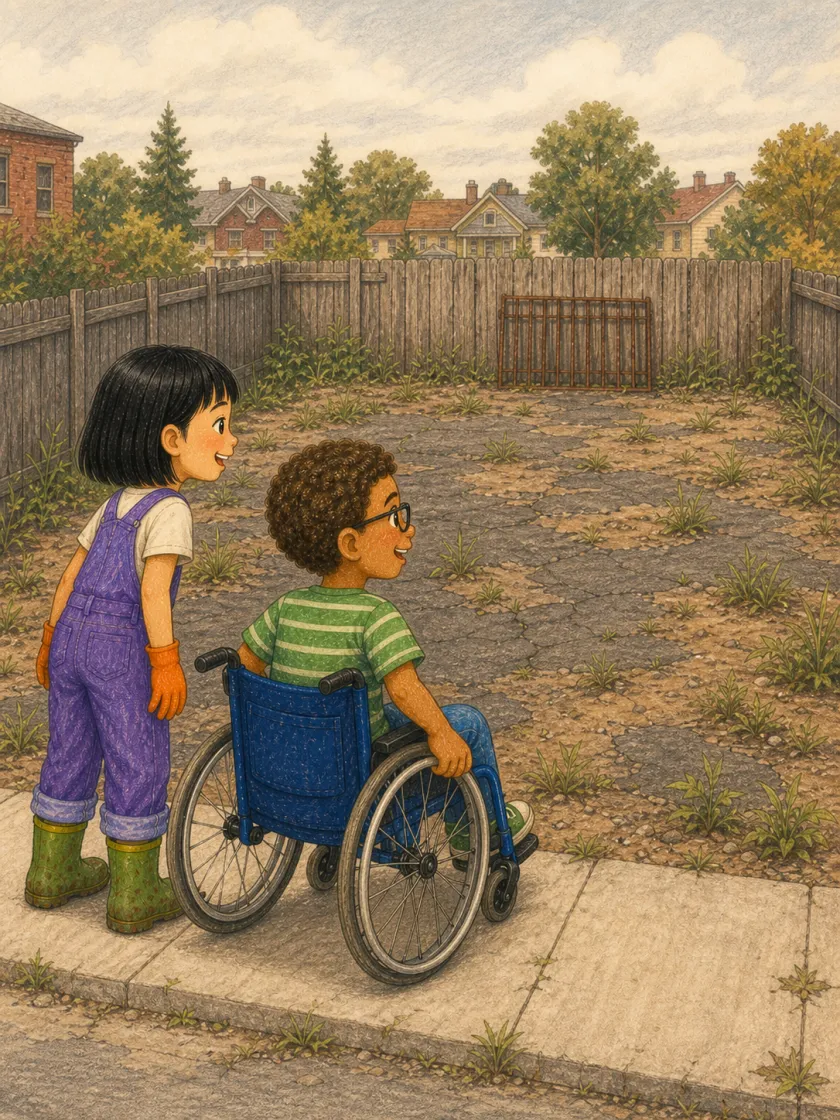
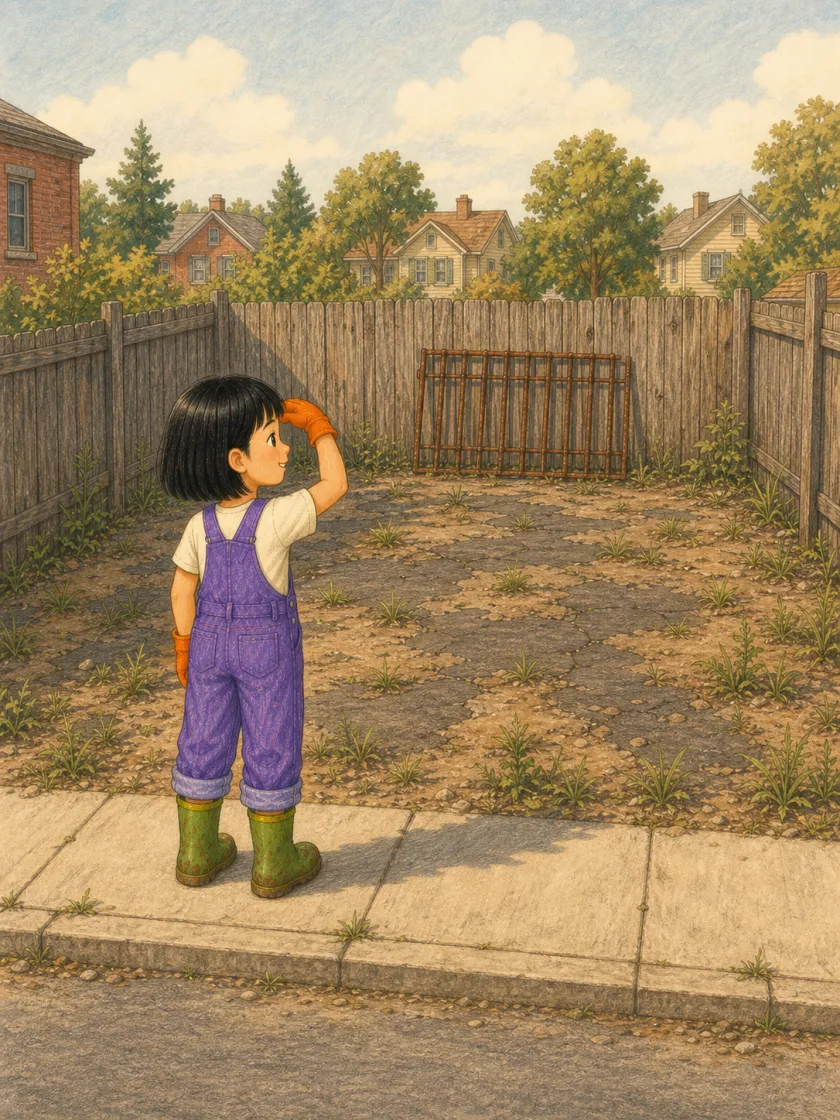
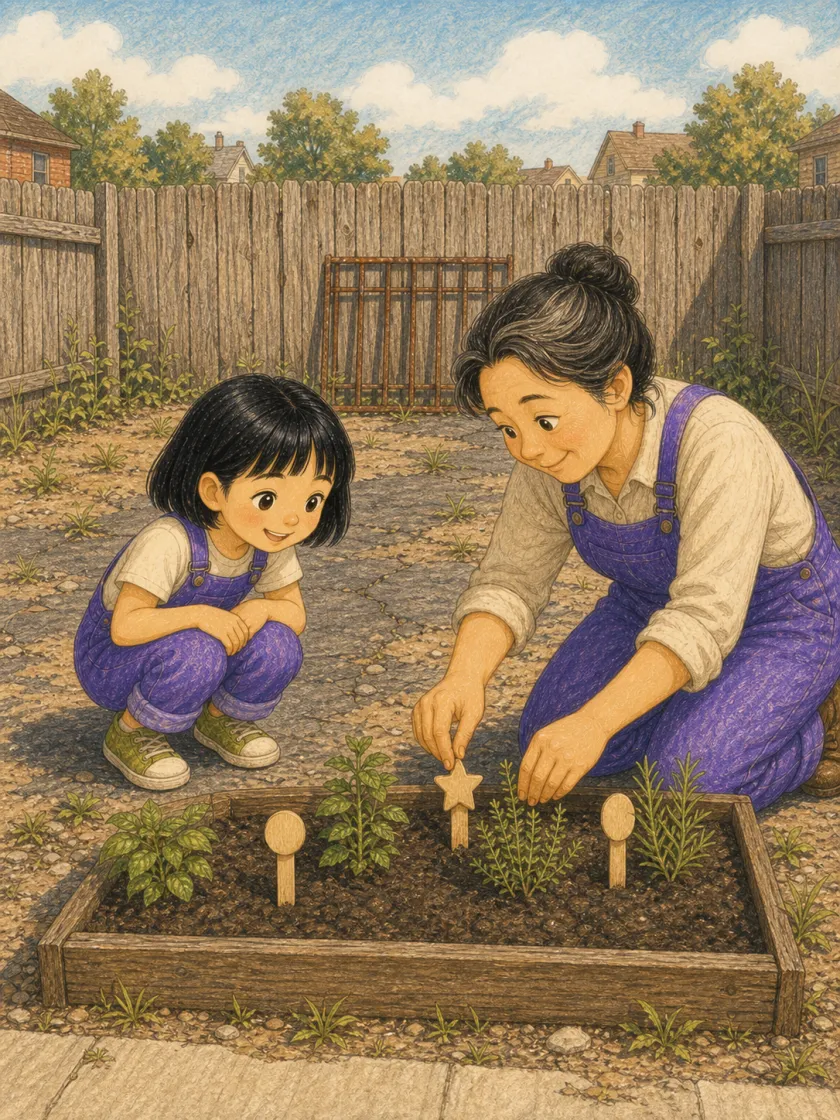
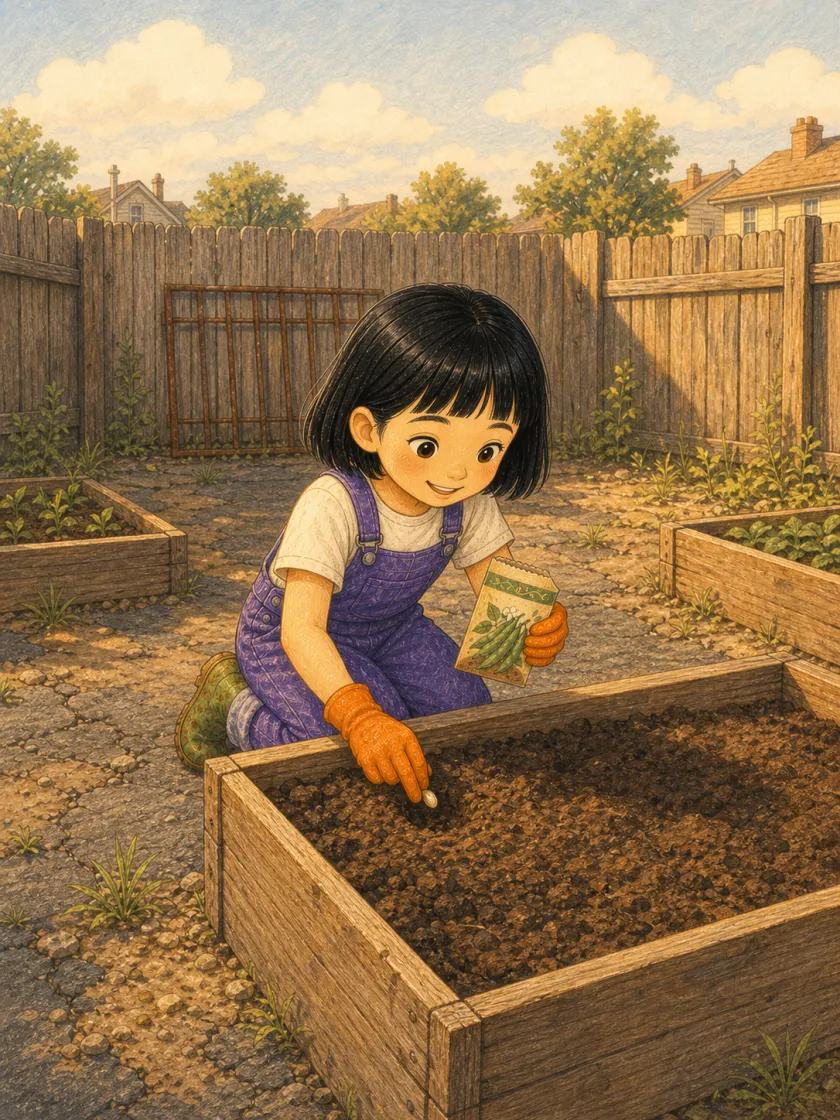
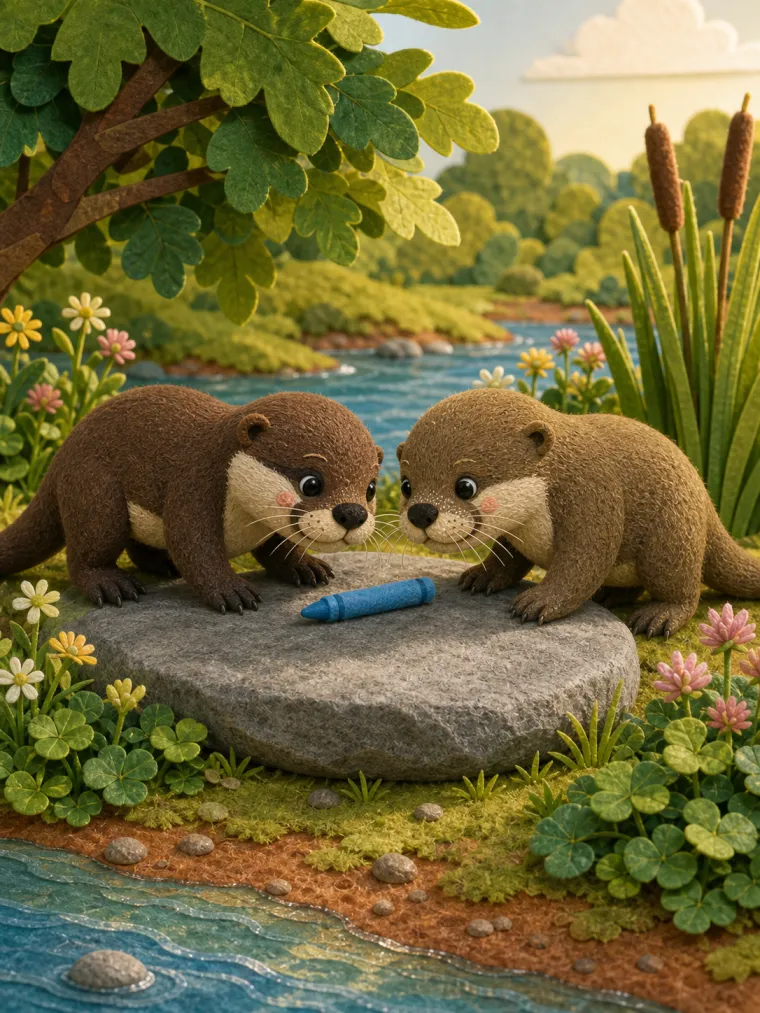
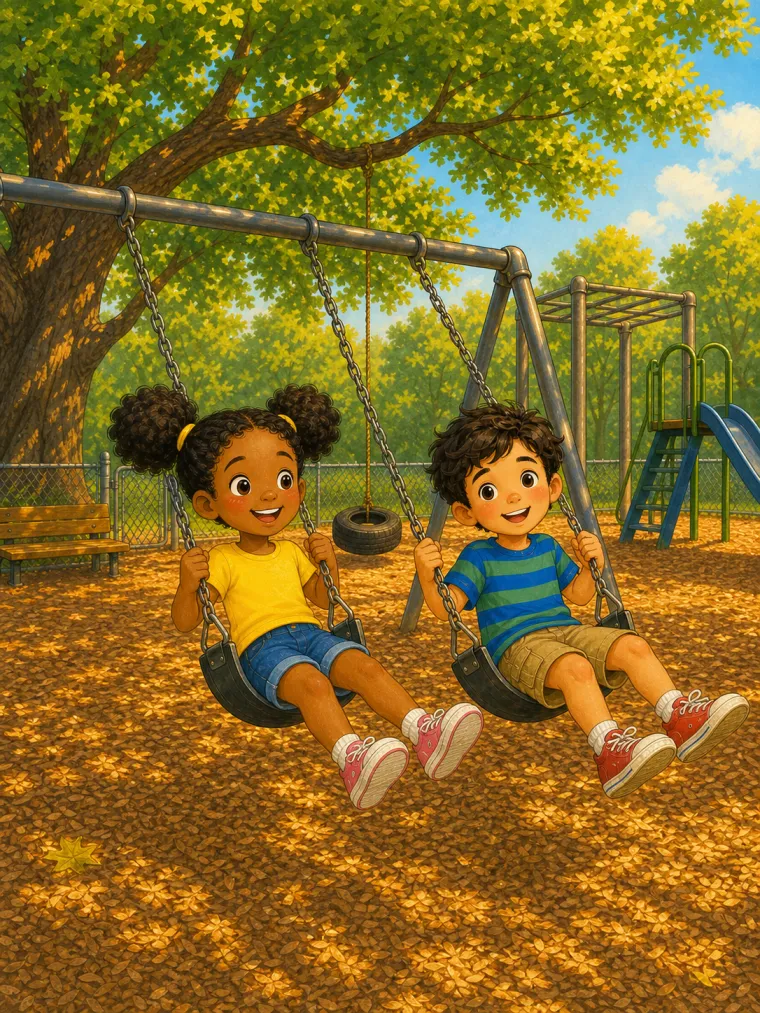
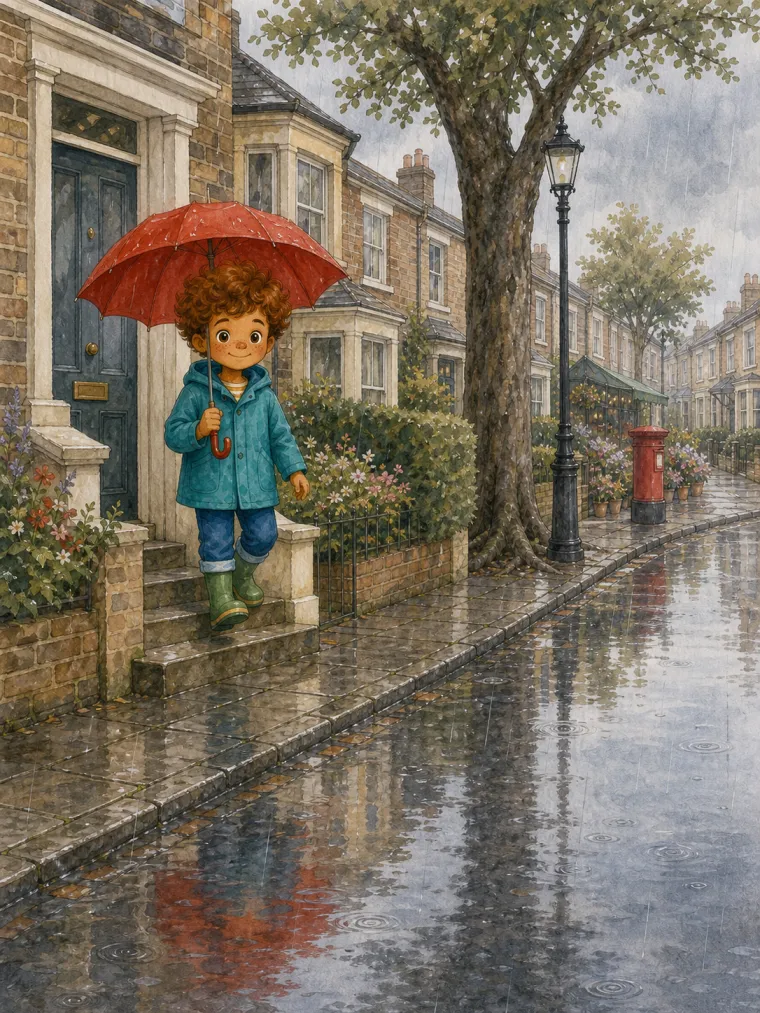
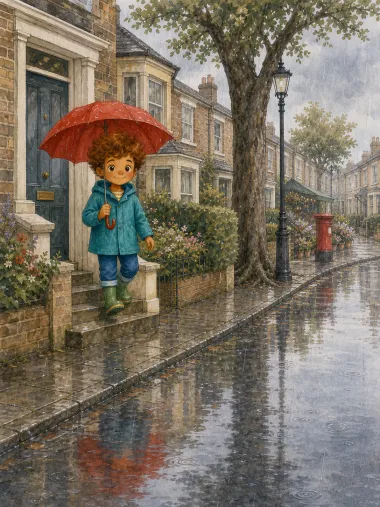
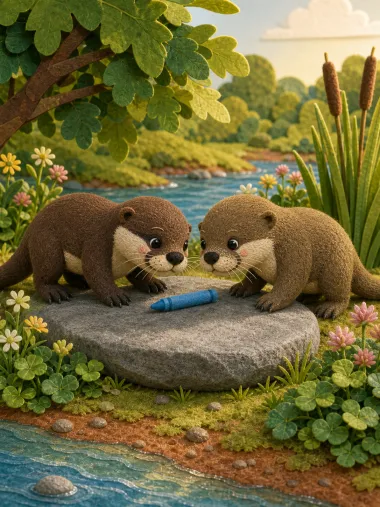
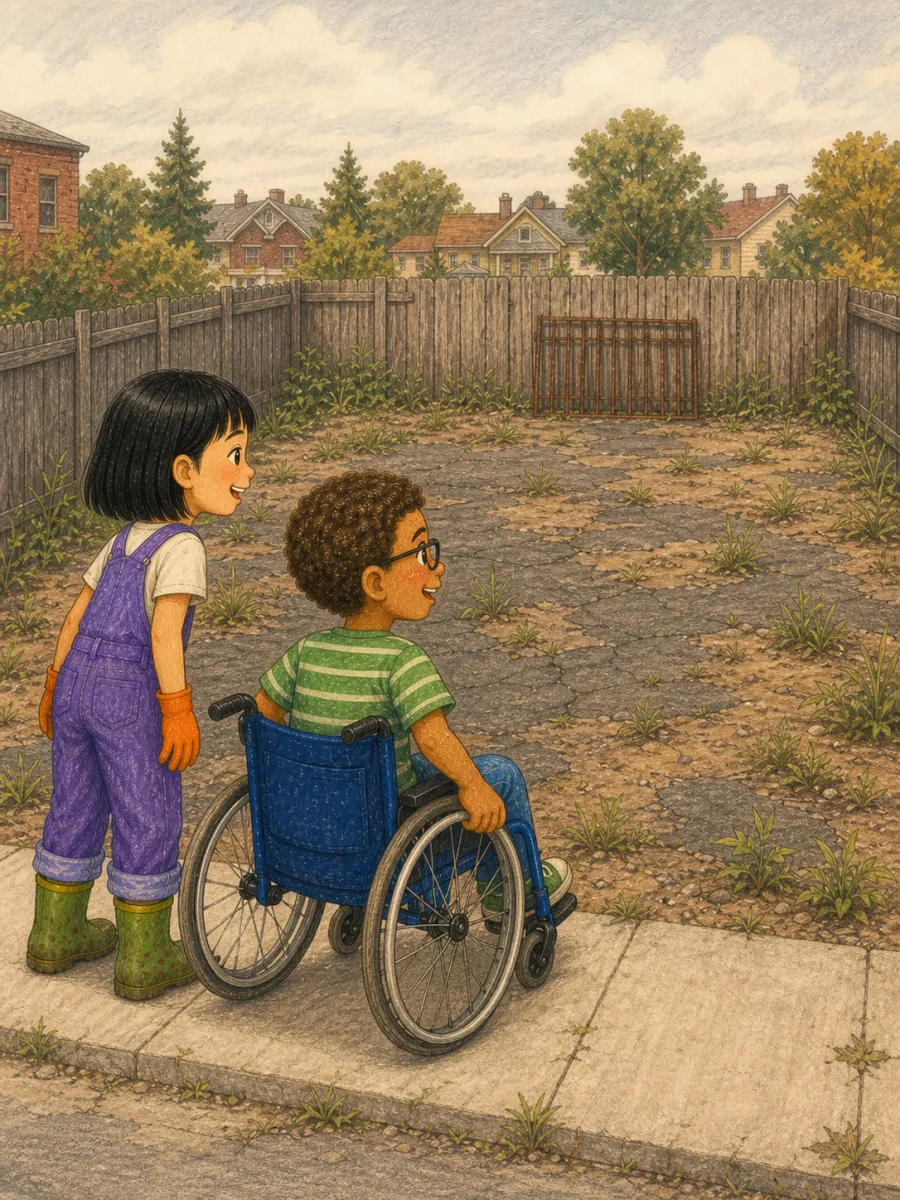
Three pages from “Our Many Ways to Make a Garden.” Nobody in the book is described as different — they are described as busy, in ways that happen to differ.
Complete stories made on Readkidz
Every one is a finished book you can read page by page — not a preview. Browse all storybooks →
How it works
- 1Choose the shared job, not the topic
A garden, a meal, a repair, a performance. Give the characters one thing they are all trying to finish and difference becomes visible through how each of them contributes, which is a story rather than a lesson.
- 2Put the difference in the physical details
Firm wide paths, raised beds, a low water barrel, a stool, a seed packet from another country. Concrete details land at this age; adjectives about tolerance do not. Describe the details you want and they are drawn consistently throughout.
- 3Delete any line that explains the point
Read the last two spreads and cut any sentence that tells the reader what they just saw. A child who watched everyone finish the garden together does not need to be told what it meant, and being told is what makes these books feel like homework.
Is this what you were looking for?
- What you get
- 10 illustrated pages plus a cover
- Written for
- Ages 4-8
- How long
- One sitting — not weeks
- Rights
- Original story — nothing is retold from another book
Frequently asked questions
How do I keep this from feeling like tokenism?
Give every character something to do that only they would do. Tokenism is what happens when a character exists to be looked at; it disappears when the character is the one who knows where the beans go. Say what each person contributes and the story is built around those actions.
Can it represent a specific disability or culture accurately?
It follows the detail you provide, so provide it. "A wheelchair user who gardens from a raised bed and manages the water barrel herself" produces something usable; "a diverse group of kids" produces the vague book you are trying to avoid. You review every page before anything is final, which is the point at which to check it against your own knowledge.
Is this suitable for a classroom?
That is the common use. You choose the reading age and page count, and the finished book exports without a watermark when included in your plan or purchased product, so it can be printed for a shelf or a reading corner. Discussion questions come with the sample below as a model for the ones you write.
Should there be a conflict?
A small one helps. Somebody left out by accident, a path too narrow, a job nobody thought about — the fix is what carries the meaning. A book where everything is fine from page one has nothing to show.
Can I see a complete example?
Yes — the link below opens all eleven pages of Our Many Ways to Make a Garden, including the caregiver guide, free and unpaywalled.
Will mine be a copy of it?
No. The approach transfers; the garden does not. Different shared job, different people, different details, different ending — and no reused text.
Make a book where everyone can join in
Describe the shared job and who is doing it. The book is finished in one go, and you approve the cost before anything is spent.
Create new original characters, wording, and visual designs. Do not request protected characters, logos, or close imitation of a living artist’s signature style.