


Make a Children's Book About Friendship
Most friendship books begin after the friendship has already happened. A children's book about friendship is far more use to a child when it keeps the difficult parts — the few seconds before you say anything to a stranger, and the repair after something goes wrong. Readkidz writes and illustrates a complete picture book that keeps both.
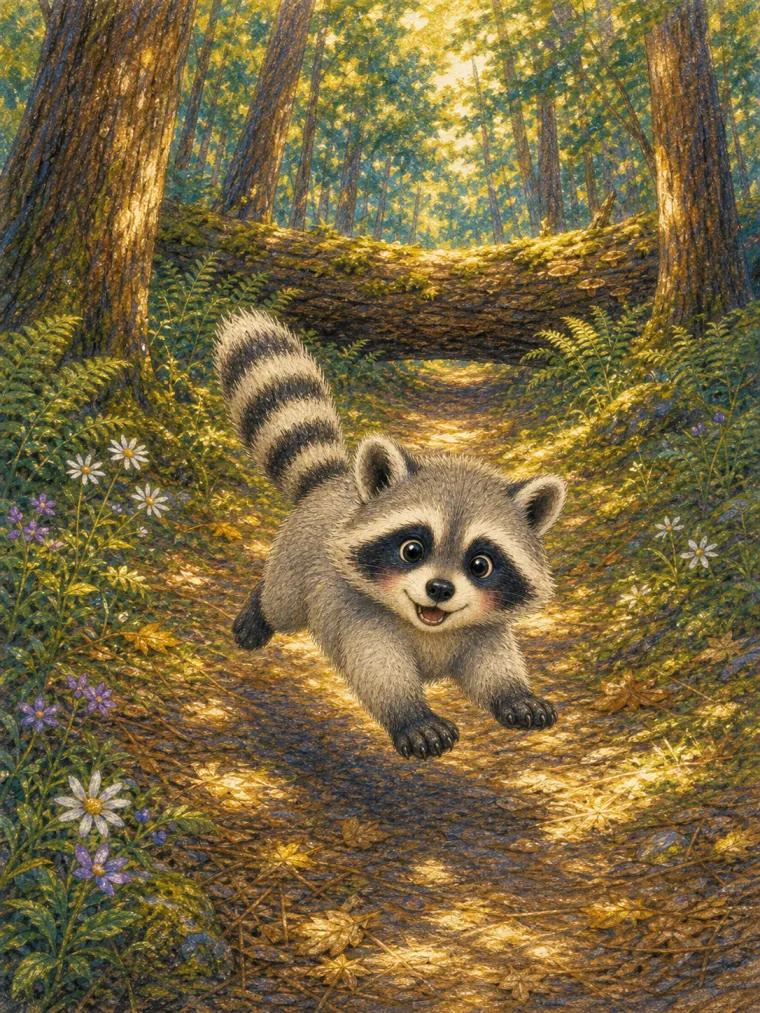
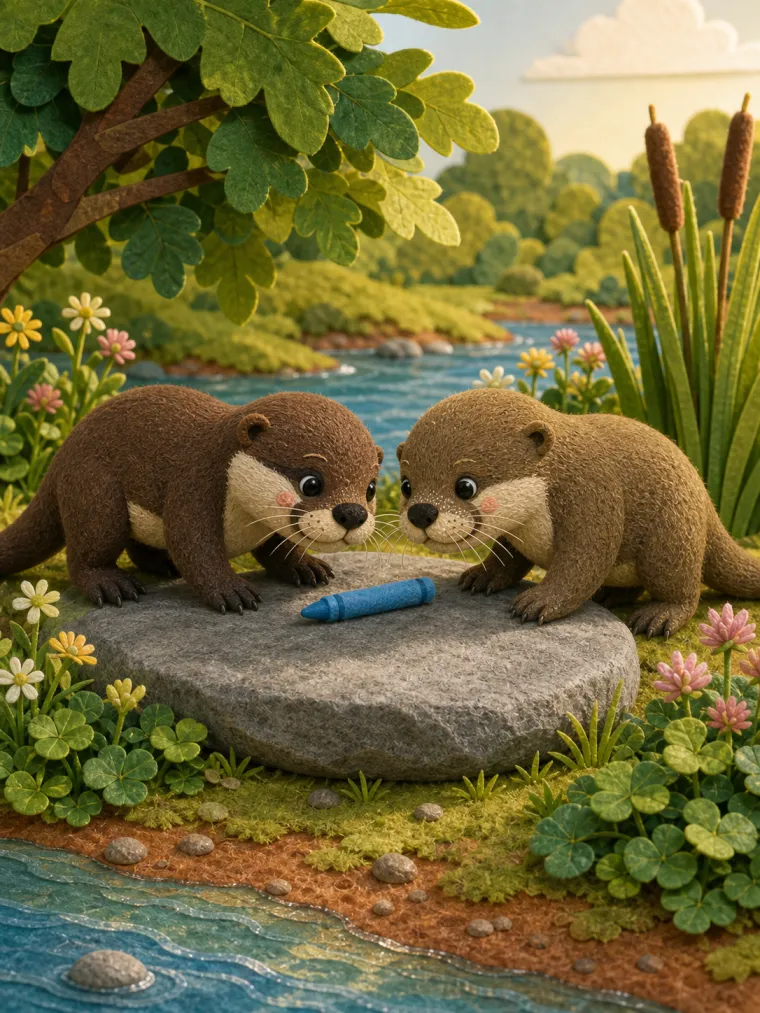
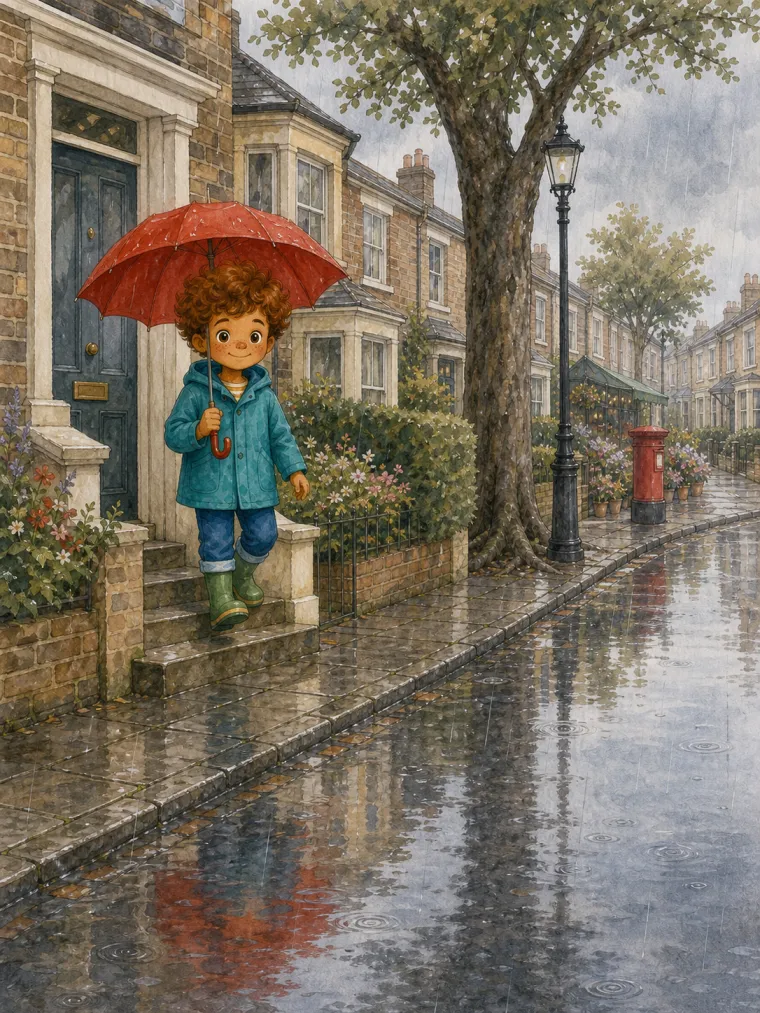
Made with Readkidz
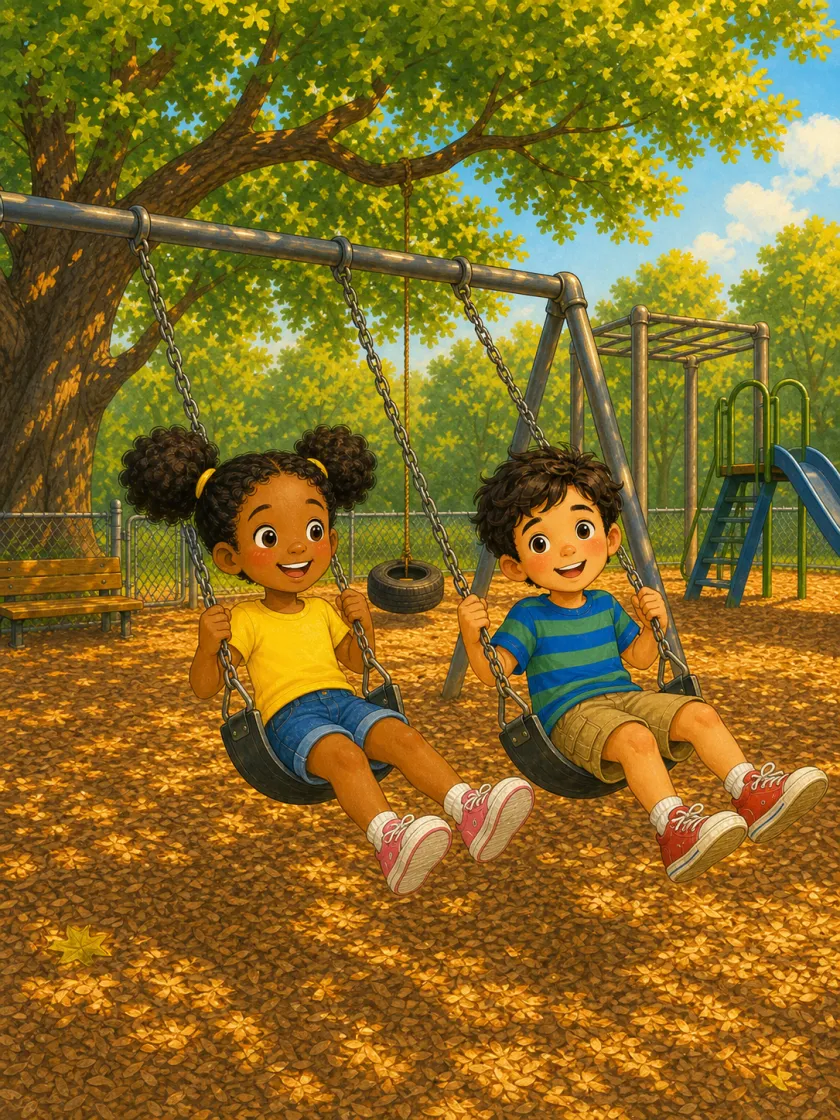
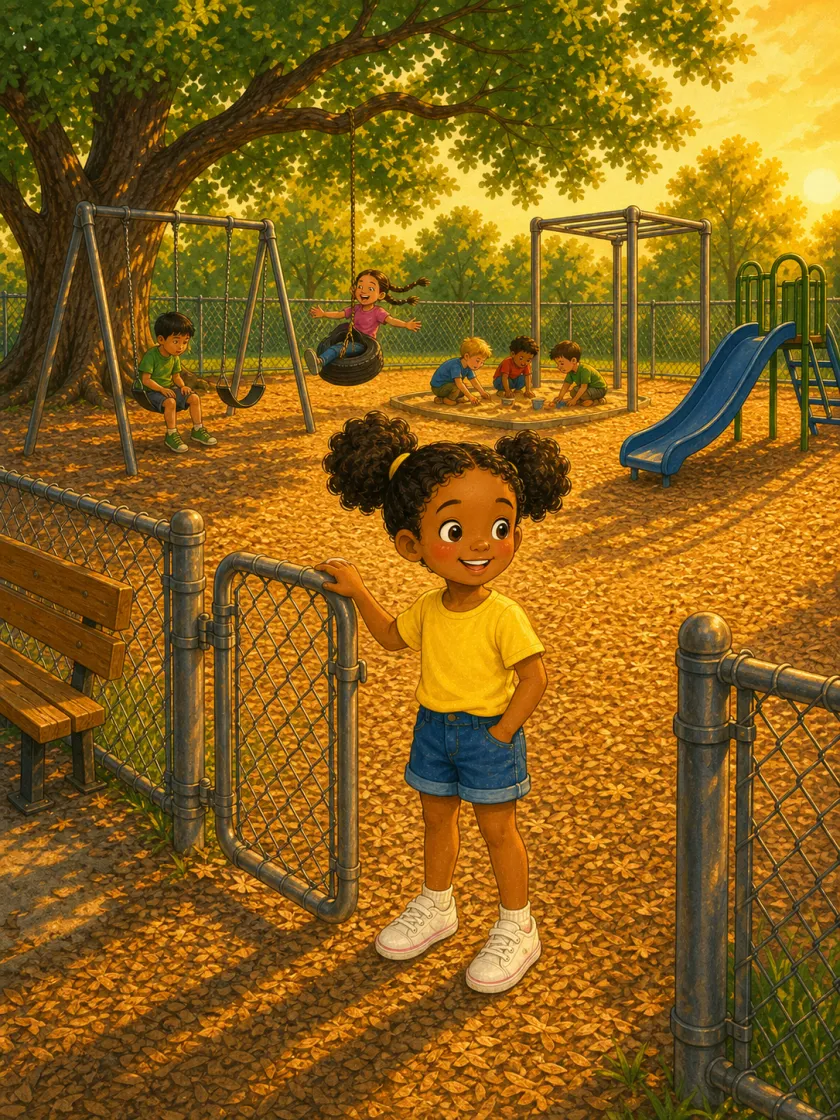
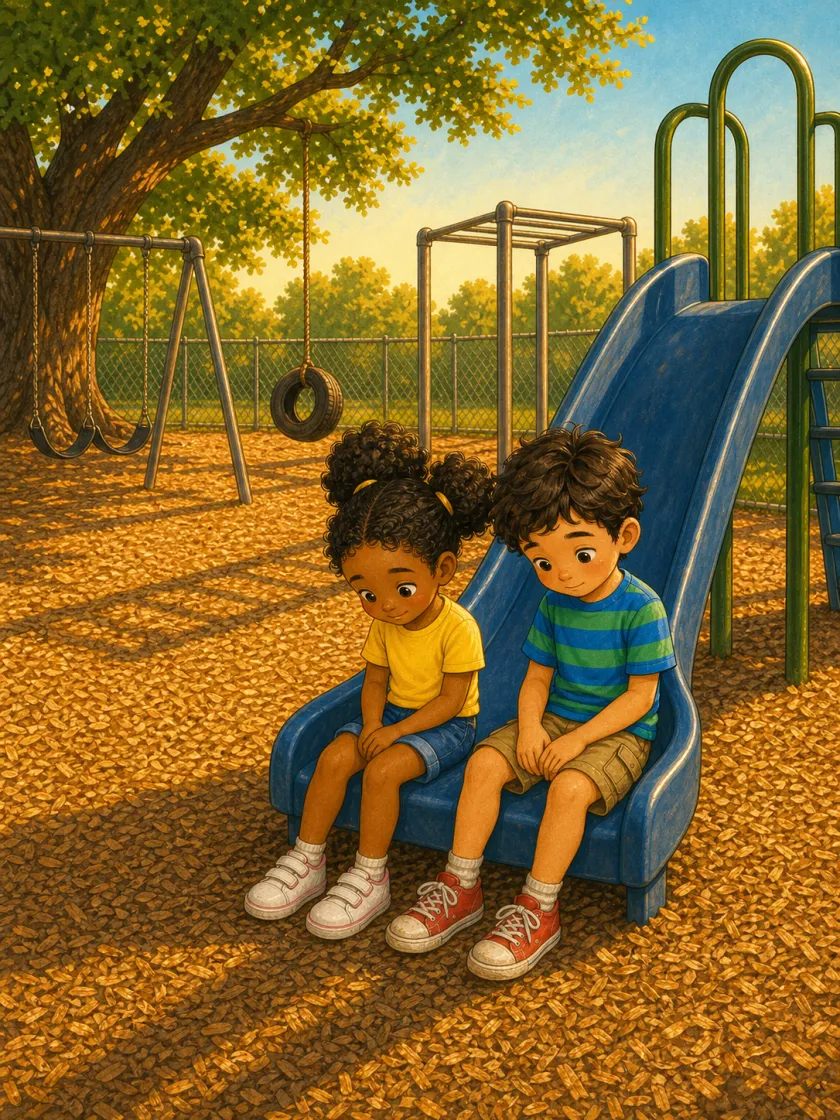
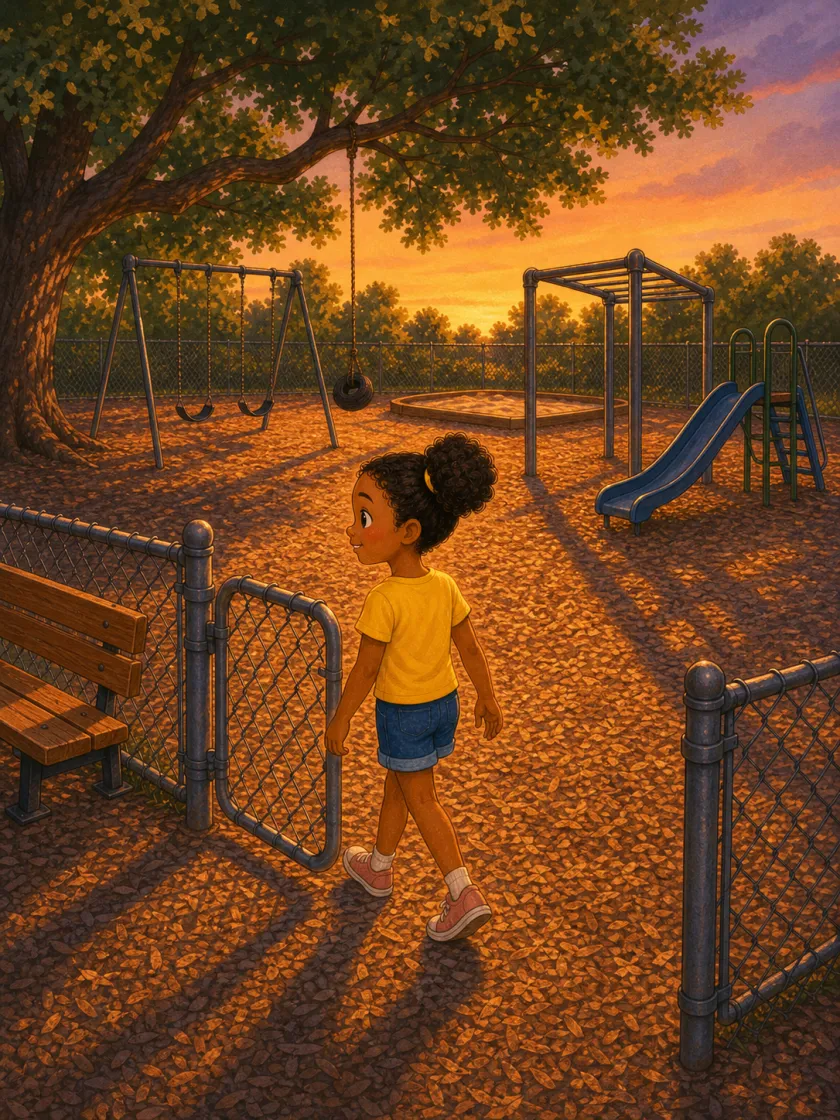
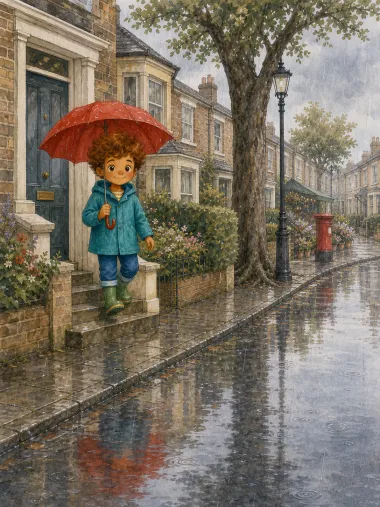
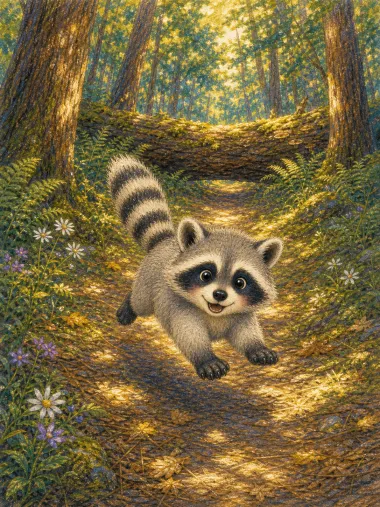
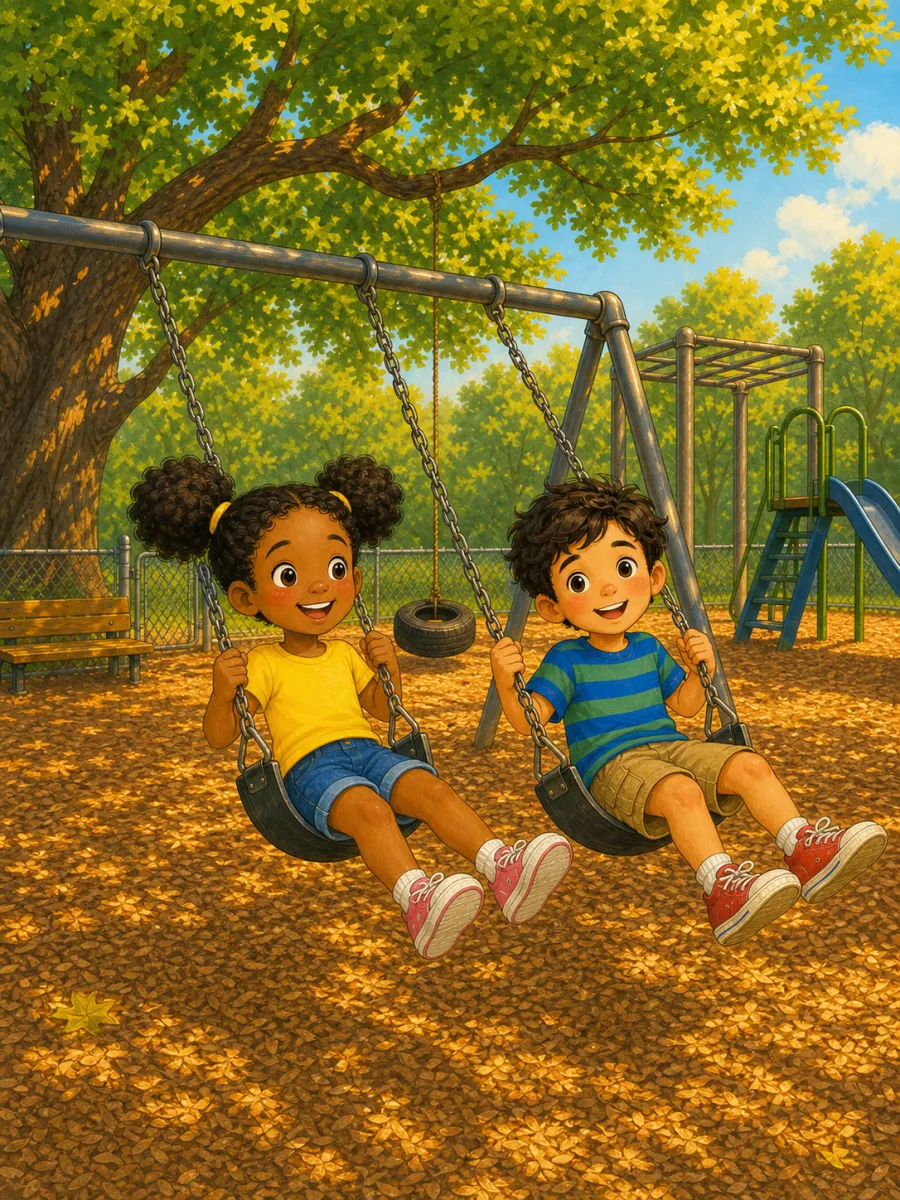
Three pages from “Nia and the Two-Seat Swing.” The middle of the book is a misunderstanding nobody apologises for in words — which is how it usually goes.
Complete stories made on Readkidz
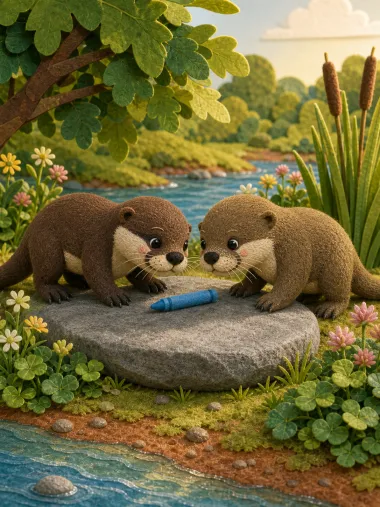
Every one is a finished book you can read page by page — not a preview. Browse all storybooks →
How it works
- 1Pick the moment your child is stuck on
Walking up to a group already playing. Being the one left out. Saying the wrong thing and not knowing how to undo it. A friendship book that covers all of friendship covers none of it; pick the single moment and the whole story can serve it.
- 2Give them one line they could actually say
"Do you want the other seat?" is a sentence a five-year-old can carry out of a book and use on a playground the next day. Ask for the opening line to be concrete and repeatable — vague encouragement to "be friendly" transfers to nothing.
- 3Keep the misunderstanding in
It is tempting to cut the part where it goes wrong. Leave it: the repair is the useful half. Read the middle spreads and if the friendship went smoothly from start to finish, ask for the bump to come back.
Is this what you were looking for?
- What you get
- 14 illustrated pages plus a cover
- Written for
- Ages 4-8
- How long
- One sitting — not weeks
- Rights
- Original story — nothing is retold from another book
Frequently asked questions
My child is shy — will a book actually help?
It helps most when it rehearses one specific move rather than telling them to be brave. A story that shows the pause before speaking, names it, and then shows a workable sentence gives a shy child a script. Describe the situation they freeze in and the book can be built around that pause.
Should the friendship work out straight away?
Usually not. A first attempt that half-works — the other child is busy, or says something odd, and it takes a second try — matches what actually happens and prevents the book from setting up a disappointment. You choose how smooth you want it.
Can it be about a friendship that ended?
Yes. A friend who moved away, a friend who chose someone else, a falling-out that never got fixed. Say what you want the ending to offer — comfort, an explanation, or just company — and the story will not force a reunion that did not happen.
Can we use the real playground or classroom?
Yes, and it makes the rehearsal work better. Describe the actual place — the two-seat swing, the low fence, the corner where the older kids sit — and the same setting is drawn on every page.
Is there a full one to read first?
Yes. The link below opens all fifteen pages of Nia and the Two-Seat Swing, including the caregiver guide and the discussion prompts.
Will mine repeat that one?
No. What carries over is the willingness to include the awkward part; the playground, the swing, the children and the words are yours, and the sample's text is never reused.
Make a book about the part that's hard
Tell us which moment your child is stuck on. The book comes back complete, and you see what it costs before you decide.
Create new original characters, wording, and visual designs. Do not request protected characters, logos, or close imitation of a living artist’s signature style.